





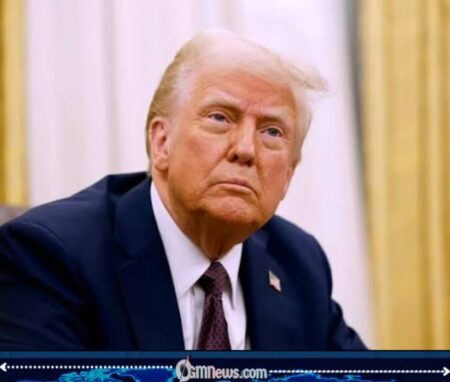
Hormuz tensions exploded further after President Donald Trump dismissed Iran’s latest counterproposal as “garbage,” dealing a major blow to already fragile ceasefire negotiations and increasing fears that the Middle East may be drifting toward a prolonged geopolitical confrontation. The latest diplomatic breakdown has placed Hormuz at the center of a growing international crisis involving oil supply routes, sanctions, military pressure, and competing demands over regional authority.
The rejected proposal reportedly included demands from Tehran for an end to the naval blockade, financial compensation linked to conflict-related damages, and recognition of Iranian sovereignty claims connected to Hormuz. Washington, however, has continued insisting that broader nuclear restrictions and stronger security guarantees must come before any significant easing of sanctions or military pressure. The sharp exchange of rhetoric has now weakened optimism that negotiators were close to any meaningful breakthrough.
Analysts say Hormuz has once again become one of the world’s most sensitive geopolitical flashpoints. Nearly every major escalation tied to the region immediately triggers concerns about oil shipments, shipping insurance costs, and global fuel prices. Several international observers have warned that prolonged uncertainty around Hormuz could further destabilize fragile economies already dealing with inflation and energy market volatility.
Hormuz Blockade Demands and Rising Global Anxiety
Blockade politics remain one of the biggest obstacles preventing progress between both sides. Iranian officials argue that negotiations cannot succeed while economic restrictions and naval pressure continue around Hormuz, describing the situation as economic warfare disguised as diplomacy. U.S. officials, meanwhile, maintain that sanctions and military deterrence remain necessary tools to prevent further escalation linked to Iran’s nuclear ambitions and regional influence.
Hormuz has also become a symbol of political pride for both governments. Tehran views control and recognition around Hormuz as essential to its national security posture, while Washington sees unrestricted access through the strategic waterway as critical to global trade stability. The result has been a dangerous diplomatic deadlock where neither side appears willing to soften its position publicly despite behind-the-scenes mediation efforts reportedly continuing through regional intermediaries.
International energy markets reacted nervously following the collapse in momentum surrounding the talks. Oil traders closely monitoring Hormuz have already begun factoring in the possibility of longer disruptions to shipping activity if negotiations continue deteriorating. In several countries, rising fuel prices are beginning to spark public frustration, with citizens increasingly feeling the economic impact of tensions unfolding thousands of miles away.
Despite the political hostility, diplomatic channels have not completely closed. Mediators are still attempting to keep communication alive in hopes that both sides may eventually return to the negotiating table under less confrontational conditions. However, repeated public insults and increasingly rigid demands have made compromise far more difficult than many observers initially expected.
For now, Hormuz remains more than just a strategic waterway. Hormu has evolved into the defining symbol of a broader struggle involving power, influence, economic pressure, and regional dominance. As military positioning, sanctions, and diplomatic threats continue escalating, the international community now watches closely to see whether Hormuz becomes the center of a renewed peace effort or the spark for an even larger crisis in the months ahead.