

















SHADOW networks allegedly tied to Iranian money laundering operations are now at the center of an escalating financial confrontation after the U.S. Treasury Department instructed American banks to identify and report suspicious transactions linked to Tehran’s sanctions-evasion system. The directive, issued through the Financial Crimes Enforcement Network (FinCEN), signals a significant expansion of Washington’s effort to pressure Iran economically while tensions in the Middle East remain dangerously unstable.
The move has triggered fresh anxiety throughout the banking sector because it effectively transforms private financial institutions into intelligence checkpoints within a growing geopolitical battle. While federal officials insist the measures are necessary to disrupt illicit oil-smuggling revenues and terror financing, critics warn the modern global banking system has become so interconnected that distinguishing criminal finance from ordinary commerce increasingly resembles solving a puzzle designed by invisible accountants.
SHADOW Networks and the Treasury’s Warning
The Treasury Department says Iranian-linked laundering systems have relied heavily on shell companies, layered intermediaries, cryptocurrency channels, and deceptive shipping tactics to move funds connected to sanctioned oil sales. Federal authorities specifically warned banks to watch for newly created firms transferring unusually large sums, transactions routed through multiple countries, and oil cargoes disguised under misleading labels such as “Malaysian blend.”
Officials also claim the alleged networks stretch far beyond Iran itself, involving companies and shipping operations tied to locations including Hong Kong, the United Arab Emirates, Iraq, and Oman. Treasury reports estimate that firms linked to Iranian oil transactions conducted roughly $4 billion in activity during 2024, while hundreds of millions reportedly moved through U.S. financial channels connected to shipping operations.
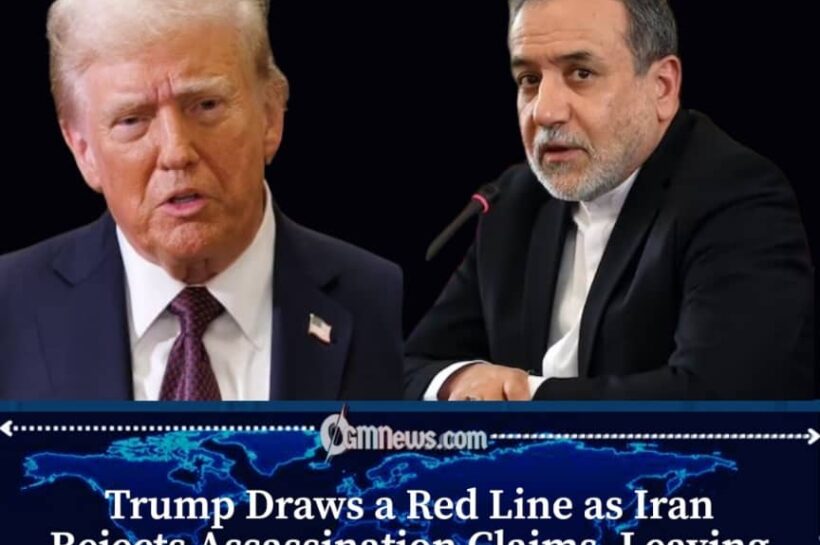
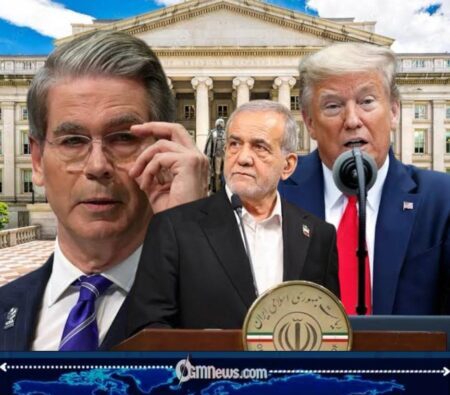
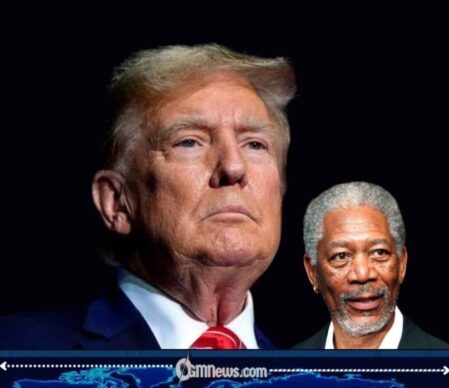
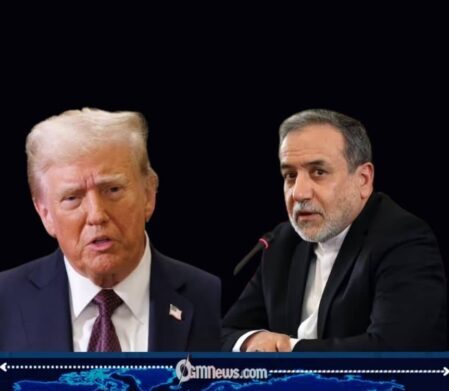
SHADOW enforcement efforts have expanded rapidly under President Donald J. Trump’s administration, which has increasingly combined sanctions, financial restrictions, and secondary-sanction threats into what Treasury officials describe as an “Economic Fury” campaign targeting Iran’s financial lifelines. Recent actions have included sanctions against Iranian exchange houses, shipping facilitators, and foreign financial entities accused of helping Tehran evade restrictions.
Some banking analysts note that the Treasury’s warning does not necessarily mean every flagged transaction is criminal. Financial institutions are instead being encouraged to identify suspicious patterns and file reports that can help investigators map broader networks tied to sanctions evasion or terror financing activities.
Banking Pressure, Crypto Concerns, and Global Financial Reality
The broader context surrounding the Treasury alert reflects growing concern over how sanctioned states increasingly exploit modern financial technology. Regulators have repeatedly warned that cryptocurrency platforms, offshore shell firms, and loosely regulated exchange systems can create alternative channels for moving money outside traditional oversight frameworks.
At the same time, critics argue global banks themselves have historically struggled to consistently stop suspicious transactions even with existing anti-money-laundering rules. Past scandals involving major international financial institutions raised questions about whether banks sometimes prioritize transaction volume over rigorous compliance monitoring, particularly when profits are involved. Online discussions surrounding the latest Treasury warning have revived debates over whether financial institutions are truly capable of policing increasingly sophisticated laundering systems.
SHADOW financial systems have also become deeply intertwined with geopolitical competition. Treasury officials argue Iran’s alleged laundering networks help finance military operations, weapons procurement, and regional proxy groups. Tehran, meanwhile, has repeatedly criticized U.S. sanctions as economic warfare designed to isolate the country internationally.
What remains clear is that America’s financial institutions are being pushed deeper into geopolitical enforcement roles once handled primarily through diplomacy and intelligence operations. As compliance officers scan transactions for hidden links, shell companies, and suspicious crypto trails, the modern banking industry increasingly resembles a digital customs checkpoint with calculators instead of guard dogs. OGM News will continue monitoring whether these measures significantly disrupt Iran-linked financial activity—or merely push the alleged networks further into the global financial shadows.

https://shorturl.fm/XPOeg