














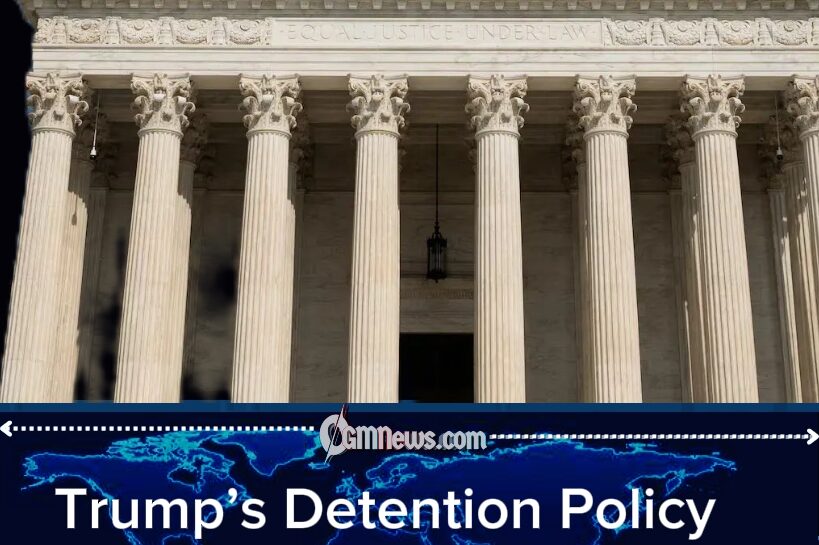











Chaos is rapidly becoming the defining word surrounding America’s latest redistricting battles, as critics accuse the U.S. Supreme Court and political leaders in several states of knowingly pushing the nation deeper into election instability. What began as legal disputes over congressional maps has evolved into a broader public debate about whether the country’s democratic systems are being reshaped in ways that favor political strategy over institutional consistency. The controversy intensified after recent court actions cleared the path for states such as Louisiana, Alabama, Florida, Tennessee, and Virginia to pursue aggressive redistricting efforts ahead of critical elections. Legal observers and voting-rights advocates argue the developments directly contradict previous judicial warnings against changing election procedures too close to voting periods.
Redistricting Battles Trigger New Questions About Judicial Consistency
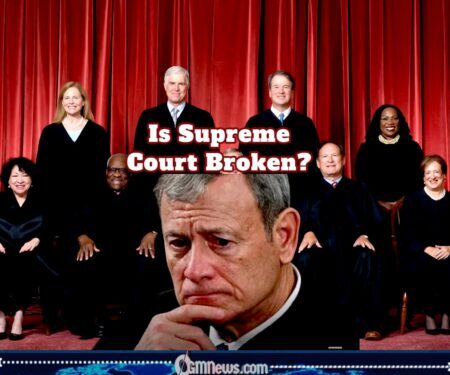
The immediate backlash emerged after the Supreme Court accelerated enforcement of a major ruling tied to Louisiana’s congressional districts, allowing state officials to move quickly toward new electoral maps. Critics noted that early voting activities and election preparations were already underway when the changes were approved, creating concerns about voter confusion and administrative disorder. Justice Ketanji Brown Jackson publicly criticized the court’s actions, warning that bypassing traditional procedures risked damaging public confidence in judicial neutrality.
In Alabama, lawmakers reportedly prepared emergency responses in anticipation of similar judicial decisions that could reshape congressional districts before scheduled elections. Florida officials also signaled interest in pursuing additional redistricting efforts after recent Supreme Court rulings weakened protections tied to minority voting representation. Tennessee and Virginia soon joined the broader national conversation as political leaders and advocacy groups argued over whether the latest developments reflected constitutional correction or a coordinated partisan strategy.
Chaos and the Growing Debate Over the “Purcell Principle”
The legal argument surrounding the controversy has increasingly centered on the so-called “Purcell principle,” a doctrine stating courts should avoid changing election rules close to elections in order to prevent confusion among voters and election officials. For years, the principle was repeatedly cited by courts when blocking late election changes. However, critics now argue the doctrine appears inconsistently applied, especially after recent decisions permitted major redistricting actions while election processes were already active.
Public reaction online has mirrored the national divide. Some legal commentators and voters accused the court of abandoning its own standards whenever political advantages were at stake, while supporters argued the principle was never intended to prevent states themselves from voluntarily changing district maps. The disagreement has exposed a growing distrust not only in election systems but also in the institutions responsible for interpreting constitutional law. Across social media and legal forums, many Americans expressed concern that democracy itself is beginning to resemble a constantly rewritten script where the rules shift depending on who benefits most.
As the nation moves closer to another heated election cycle, the long-term political and legal consequences remain uncertain. What is already clear, however, is that Chaos surrounding redistricting has evolved beyond ordinary legal disagreement and into a wider struggle over public trust, institutional credibility, and the future stability of American democracy. OGM News will continue monitoring how these legal battles reshape the political landscape in the months ahead.



[…] […]