






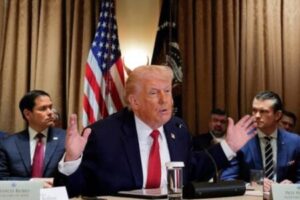



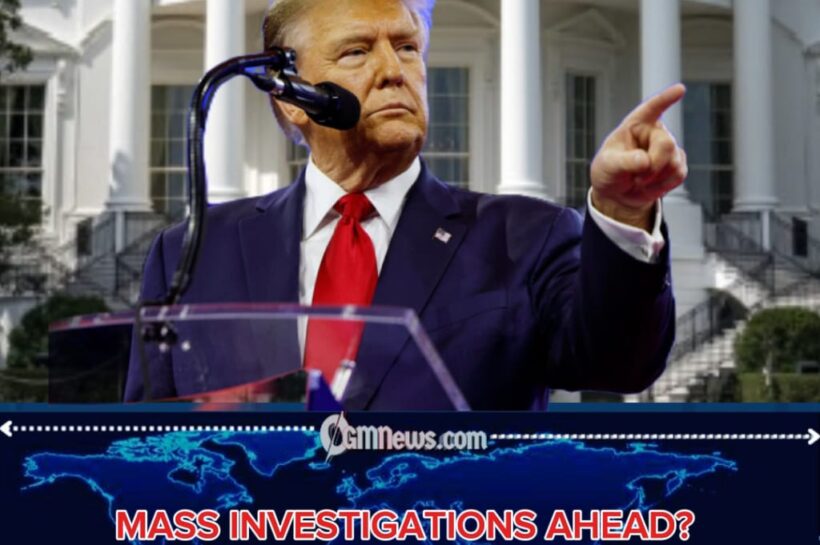


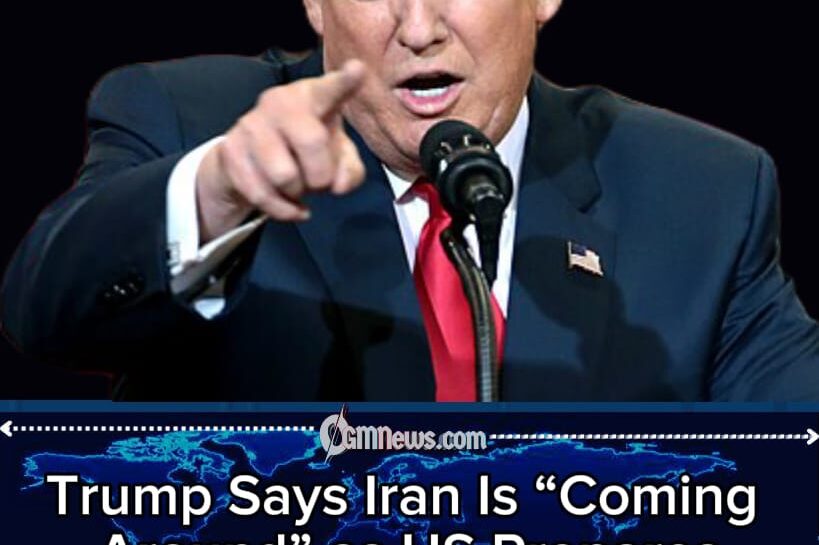



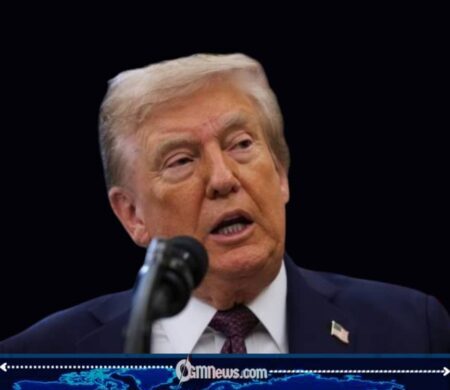
U.S. President Donald Trump has stated that the federal government faces limitations in funding major domestic programs such as Medicare, Medicaid, and childcare due to the financial demands of ongoing military engagements. Speaking during a recent public event, Trump argued that the scale of U.S. global responsibilities makes it difficult to sustain expansive social spending.
The remarks have drawn significant attention, as they directly connect national defense expenditures with the availability of key public services. Donald Trump emphasized that the United States, as a “big country,” must prioritize its commitments, particularly during periods of conflict.
The comments come amid heightened geopolitical tensions and increasing scrutiny over how the administration allocates federal resources between domestic welfare and international military operations.
Trump Frames Spending Priorities Around National Security
In his address, Donald Trump suggested that ongoing wars require substantial financial commitments, leaving limited room for federally managed social programs. He indicated that services such as childcare and healthcare could be better handled at the state level.
This perspective reflects a broader policy approach that prioritizes national security and defense spending. Donald Trump has consistently advocated for strong military investment, particularly in the context of rising global tensions.
Supporters of this stance argue that ensuring national security is a prerequisite for economic and social stability, while critics contend that essential domestic programs should not be reduced as a result.
Iran Conflict as a Key Factor in Budget Pressures
The ongoing conflict with Iran has been widely cited as a significant factor influencing federal spending decisions. Military operations, logistical support, and strategic deployments have contributed to increased budgetary demands.
Donald Trump has repeatedly described the conflict as necessary for protecting U.S. interests and maintaining global stability. However, the financial implications of sustained military engagement continue to be a subject of debate.
Analysts note that prolonged conflicts often require difficult trade-offs, particularly when balancing defense priorities with domestic needs.
Domestic Reaction and Policy Debate Intensifies
The president’s remarks have sparked a wide range of reactions across the political spectrum. Critics argue that programs like Medicare and Medicaid are essential safety nets that should remain fully funded regardless of military commitments.
Lawmakers and policy experts have expressed concern that linking healthcare funding to war spending could have long-term social and economic consequences. For many Americans, these programs are critical to accessing basic services.
At the same time, supporters of Donald Trump’s position argue that fiscal discipline and strategic prioritization are necessary in times of international conflict.
Defense Secretary Hegseth Criticizes Iran’s Spending Choices
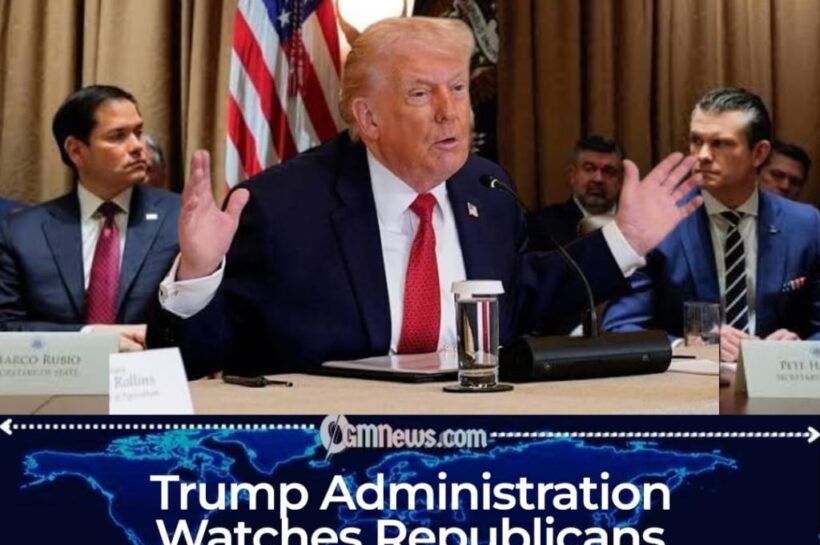
U.S. Defense Secretary Pete Hegseth has reinforced the administration’s stance by criticizing Iran’s allocation of resources toward military activities. He argued that Tehran has prioritized warfare over domestic welfare.
Pete Hegseth’s comments align with the broader narrative presented by the administration, which frames the conflict as both necessary and justified. By highlighting Iran’s spending, officials aim to contextualize U.S. policy decisions.
This comparison has become a key element of the administration’s messaging, emphasizing differences in governance and priorities between the two nations.
Broader Implications for U.S. Governance and Global Perception
The intersection of military spending and domestic policy raises important questions about governance and national priorities. Decisions made during periods of conflict can have lasting effects on economic stability and public trust.
For Donald Trump, the challenge lies in balancing immediate security concerns with the long-term needs of the population. The administration’s approach will likely continue to shape political discourse in the months ahead.
Internationally, the debate also influences how U.S. policy is perceived, particularly by allies and partners who are closely monitoring both the conflict and its domestic implications.

UGzrBFjwbgJgETzy