








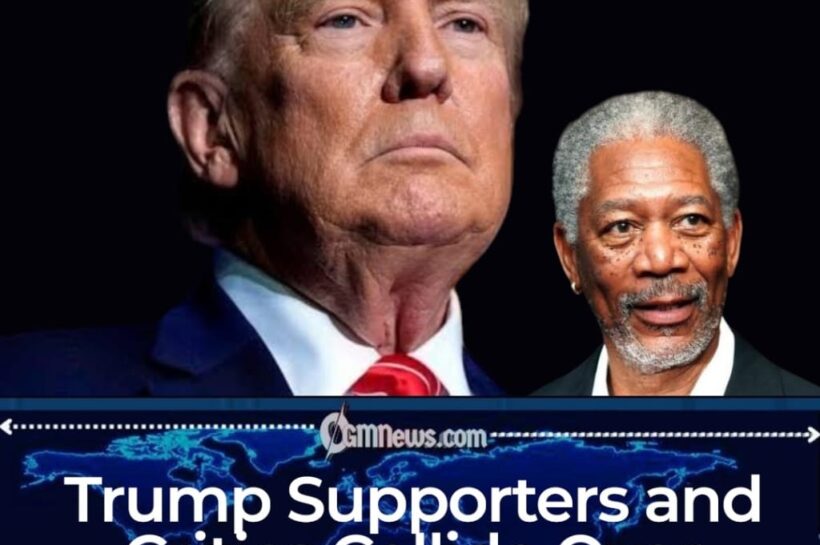

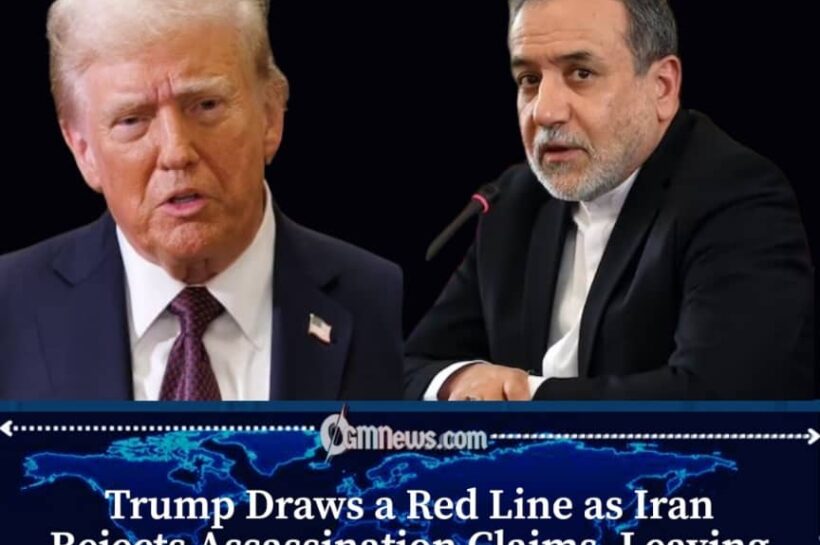






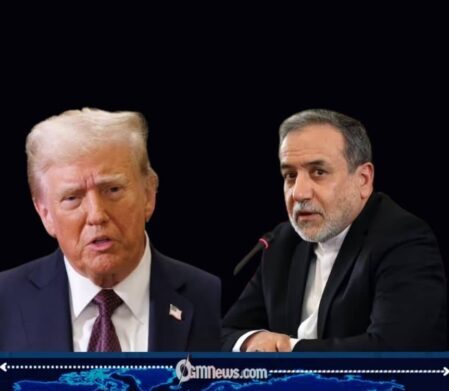
Donald Trump, currently serving his second term as President of the United States, has defended America’s recent “surprise” military strike on Iran, sparking widespread international debate. Speaking during a diplomatic engagement alongside Japan’s Prime Minister, Trump justified the operation by drawing a comparison to the Pearl Harbor Attack.
The remarks have triggered mixed reactions across political and diplomatic circles. While some interpret Trump’s statement as a strategic defense of decisive military action, others view it as a controversial invocation of a deeply sensitive historical event, particularly in the presence of Japan’s leader.
Donald Trump’s Justification for the Iran Strike
President Donald Trump described the strike on Iranian targets as a necessary and calculated move designed to neutralize emerging threats. According to administration officials, intelligence reports pointed to imminent risks, prompting swift military intervention without prior public disclosure.
Trump emphasized that surprise tactics are often central to military success, arguing that the operation was carried out with precision and within the bounds of national security priorities. The administration has maintained that the strike was both justified and proportionate given the circumstances.
Donald Trump and the Pearl Harbor Comparison
In his defense, Donald Trump referenced the Pearl Harbor Attack, noting that history has seen similar instances of sudden military action. He suggested that the element of surprise, while controversial, is not unprecedented in warfare.
However, the comparison has drawn criticism due to the historical significance of Pearl Harbor, which led to the United States’ entry into World War II. Analysts argue that equating a U.S.-led strike with an attack historically viewed as unprovoked raises questions about the framing of modern military decisions.
Donald Trump’s Remarks in the Presence of Japan’s Leader
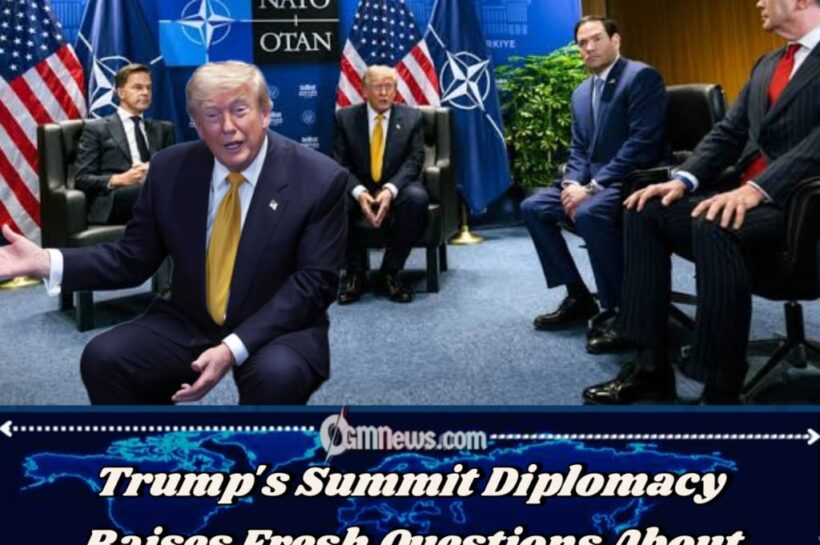
The comments were made during a meeting with Fumio Kishida, adding a layer of diplomatic sensitivity. Japan, a key U.S. ally, has long maintained a cautious stance on military matters due to its post-war pacifist constitution.
While Prime Minister Kishida did not publicly respond to the comparison during the meeting, observers note that referencing Pearl Harbor in such a setting could require careful diplomatic management. The U.S.–Japan alliance remains strong, but the moment has drawn attention to the nuances of historical memory in international relations.
Reactions to Donald Trump’s Statement
Reactions to President Trump’s remarks have been divided. Supporters argue that his statement highlights the importance of decisive leadership and strategic thinking in addressing global threats.
Critics, however, contend that invoking the Pearl Harbor Attack risks diminishing the gravity of the event and may complicate diplomatic relations. International responses have similarly reflected concern over both the strike itself and the rhetoric surrounding it.
Donald Trump and the Future of U.S. Foreign Policy
The episode underscores the broader challenges facing Trump’s administration as it navigates complex global tensions. Relations with Iran remain strained, with the potential for further escalation still present.
As the situation develops, Trump’s approach to foreign policy—marked by assertive actions and direct rhetoric—will continue to shape international perceptions of the United States. The controversy surrounding his remarks may have lasting implications for both diplomatic relations and global security discussions.
https://shorturl.fm/XPOeg