








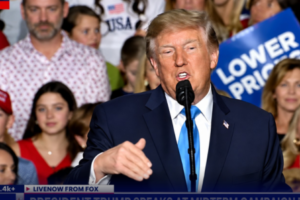


















James Talarico has taken center stage in a growing political and moral debate following remarks by Donald Trump, who accused critics of “insulting Jesus.” The comment, made during a recent public appearance, quickly ignited reactions across political and religious circles.
In a direct and pointed response, Talarico rejected the framing of the issue, arguing that the true measure of faith lies in actions rather than rhetoric. His remarks have since gained traction online and in policy discussions, positioning him as a prominent voice in the ongoing conversation about religion in governance.
James Talarico Highlights Humanitarian Concerns
James Talarico’s response focused heavily on humanitarian issues, particularly the impact of conflict on innocent civilians. He argued that actions such as violence against vulnerable populations stand in direct contradiction to the teachings associated with Jesus.
By redirecting the conversation toward real-world consequences, Talarico emphasized compassion, justice, and the moral responsibility of leaders. His comments resonated with advocacy groups and individuals who believe political leaders should prioritize the protection of human life over symbolic religious statements.
Raising Questions About the Epstein Case
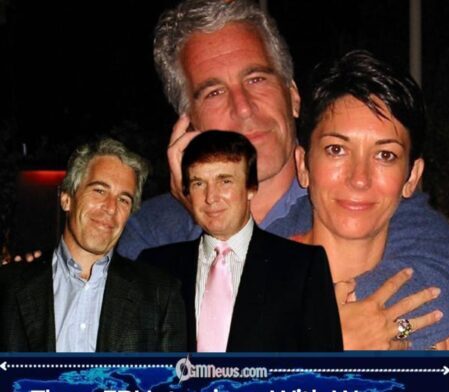
A significant part of Talarico’s statement also addressed ongoing concerns surrounding the case of Jeffrey Epstein. He referenced the continued public demand for transparency and accountability related to Epstein’s network and connections.
James Talarico criticized what he described as insufficient disclosure and lingering secrecy. His remarks reflect a broader sentiment among sections of the public who continue to call for full accountability, particularly where powerful individuals may be implicated.
Religion and Political Messaging in Focus
The exchange has once again brought attention to the role of religion in political messaging. James Talarico’s response suggests that invoking faith in public discourse should come with a consistent commitment to ethical governance and social justice.
Analysts note that religious references often shape voter perception, but they can also create divisions when interpreted differently. Talarico’s framing seeks to align religious values with policy outcomes, rather than rhetorical positioning.
Public Reaction Positions Talarico as a Key Voice
Public reaction to the exchange has been divided, but it has undeniably elevated Talarico’s profile on the national stage. Supporters have praised his willingness to confront powerful figures and address sensitive issues directly.
Critics, however, argue that his response introduces further polarization into an already divided political climate. Despite differing opinions, Talarico’s remarks have ensured that he remains a central figure in discussions about morality, leadership, and accountability.
Broader Implications for Leadership and Accountability
The controversy highlights deeper questions about how leaders balance faith, rhetoric, and policy decisions. Talarico’s intervention underscores the importance of aligning public statements with tangible actions that reflect ethical standards.
As the debate continues, his response serves as a reminder that political discourse involving religion carries significant weight. It also reinforces the growing demand for transparency, accountability, and a consistent application of moral principles in leadership.
[…] […]