
















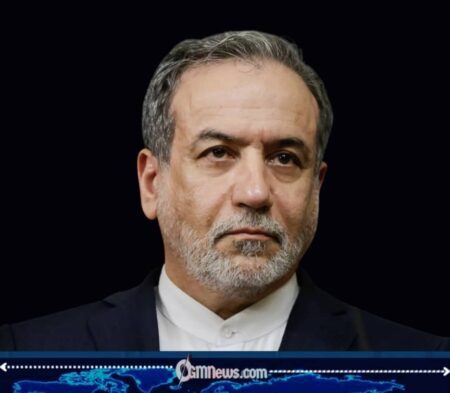
Abbas Araghchi, the foreign minister of Iran, has issued a series of defiant statements amid the ongoing conflict involving the United States and Israel. Araghchi said Tehran has never asked for a ceasefire and has not requested negotiations, stressing that the country is prepared to continue defending itself “for as long as it takes.”
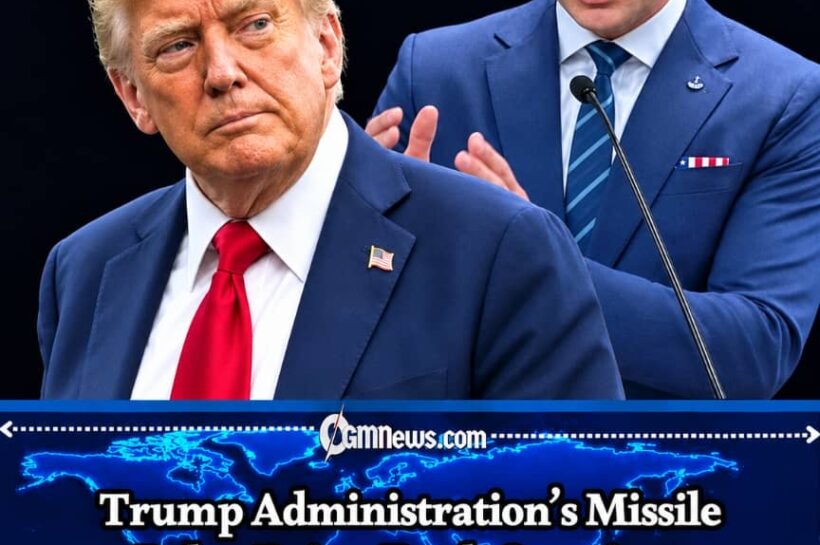
The comments came shortly after U.S. President Donald Trump stated that Iran “wants to make a deal very badly” but that the terms currently offered are “not good enough yet.” The contrasting positions illustrate the deep diplomatic divide between Washington and Tehran as military operations and strategic threats continue across the region.
Araghchi also addressed the status of the crucial maritime route known as the Strait of Hormuz, saying it remains open to most nations but is effectively closed to vessels belonging to the United States, Israel, and their allies. His remarks highlight the strategic importance of the waterway in the escalating geopolitical confrontation.
Araghchi Rejects Claims It Is Seeking a Ceasefire
In his statement, Abbas Araghchi emphasized that Iran has not sought a ceasefire or negotiations since the latest round of military exchanges began. According to Iranian officials, Tehran’s position is that diplomatic discussions cannot occur while the country remains under military attack.
Araghchi argued that Iran is exercising its right to self-defense under international law. He said the government would continue its defensive operations for as long as necessary to protect its sovereignty and national security.
Iranian leaders have also accused the United States and Israel of escalating the conflict through coordinated strikes on Iranian military infrastructure. In response, Tehran has vowed that any continued attacks will be met with further resistance.
Trump Says Iran Wants a Deal but Conditions Are Not Acceptable
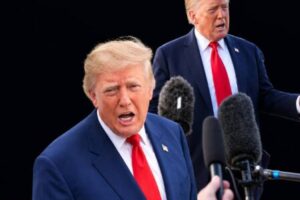
President Donald Trump, currently serving a second term as president of the United States, has presented a different view of the situation. According to Trump, Iran is eager to negotiate but the terms being discussed are insufficient from Washington’s perspective.
Trump has said that any future agreement with Iran would require strict conditions, including stronger limitations on Tehran’s nuclear activities and restrictions on its regional military influence. The president indicated that negotiations would only proceed if those conditions were met.
Policy analysts say Trump’s position reflects a strategy of maintaining military and economic pressure in order to compel Iran to accept more stringent terms in a potential diplomatic agreement.
Strait of Hormuz Becomes Central Strategic Issue
The status of the Strait of Hormuz has emerged as one of the most critical elements of the crisis. The narrow waterway connects the Persian Gulf to global shipping lanes and is responsible for transporting a significant share of the world’s oil supply.
Araghchi clarified that Iran has not completely closed the strait. Instead, he said it remains open to vessels from countries not involved in military operations against Iran.
However, ships associated with the United States, Israel, or allied forces are effectively barred from passing through the strategic channel. This selective restriction has raised concerns among international observers about potential disruptions to global energy markets.
Countries Seek Assurances for Safe Passage
Iranian officials say several countries have contacted Tehran to seek assurances that their commercial vessels can pass safely through the Strait of Hormuz. According to Araghchi, Iran is open to discussing secure transit arrangements for nations not participating in the conflict.
These discussions reflect growing international concern over the safety of maritime trade routes in the region. Shipping companies and governments alike are monitoring developments closely because disruptions in the strait could affect global energy supplies.
Despite these assurances, many shipping operators remain cautious about sending vessels through the area due to the risk of military escalation or accidental confrontation.
Diplomatic Deadlock Raises Regional Concerns
The differing narratives from Tehran and Washington illustrate the difficulty of reaching a diplomatic breakthrough. While Iran insists it has not requested negotiations, the United States maintains that Tehran is seeking a deal but has yet to present acceptable terms.
International mediators have attempted to encourage dialogue between the parties, but progress has been limited. The continuing military operations and political rhetoric on both sides have made negotiations increasingly complex.
Observers warn that without diplomatic engagement, the situation could escalate further, affecting not only regional stability but also global economic conditions due to the importance of Middle Eastern energy routes.


The weekly tournaments here keep me coming back because the prize pools are surprisingly generous....