






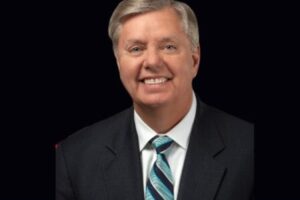


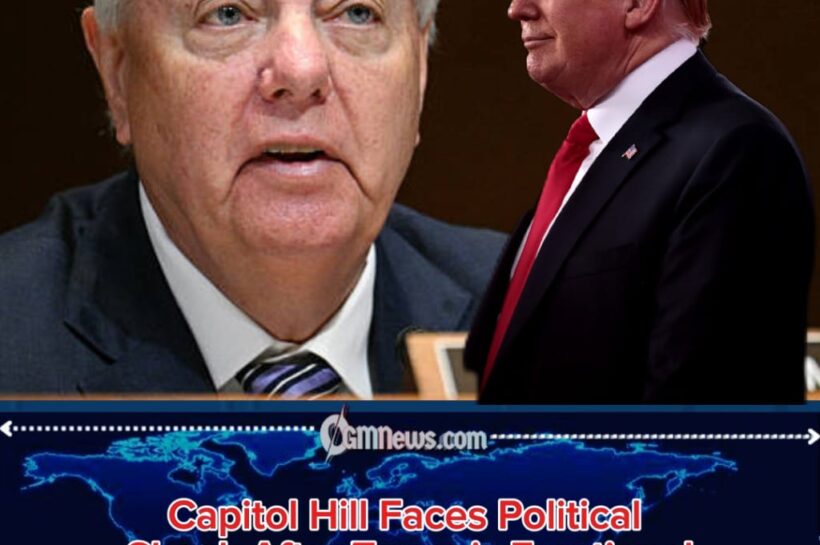








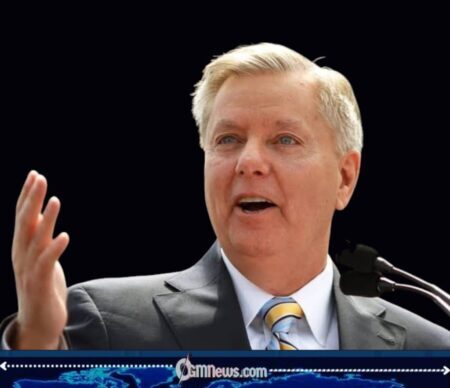
Lindsey Graham said Saudi Arabia and other Gulf Cooperation Council (GCC) countries need to become more involved in efforts to confront Iran, arguing that regional powers have a major role to play in maintaining stability in the Middle East. The U.S. senator suggested that stronger cooperation among allies could help counter Tehran’s influence and ensure a unified response to rising tensions in the region.
The Middle East has long been shaped by complex alliances and rivalries, with countries balancing diplomacy, security concerns, and economic interests. Recent developments have renewed debates in Washington and among regional governments about how best to address Iran’s role in regional conflicts.
Lindsey Graham’s comments come at a time when policymakers in the United States and across the Gulf are closely examining their strategies toward Iran. His remarks highlight the growing calls for greater coordination between the United States and its partners in the region.
Growing Tensions in the Middle East
Lindsey Graham emphasized that the current geopolitical climate requires stronger cooperation among nations that share concerns about regional stability. According to him, collaboration between the United States and Gulf countries could help deter further escalation.
Many analysts note that the Gulf Cooperation Council, which includes Saudi Arabia, the United Arab Emirates, Qatar, Kuwait, Bahrain, and Oman, has historically played a significant role in shaping the political and economic landscape of the Middle East.
Lindsey Graham argued that collective action by regional partners would send a clear message that efforts to destabilize the region will face coordinated opposition.
Lindsey Graham Urges Regional Partners to Act
Lindsey Graham said that Gulf nations possess both the resources and strategic influence needed to shape the outcome of regional conflicts. He suggested that their involvement would strengthen the broader coalition of countries working to counter Iran’s activities.
Security experts often point out that regional cooperation can help distribute responsibilities among allies while reducing the burden on any single nation. Such partnerships frequently involve intelligence sharing, economic measures, and coordinated diplomatic strategies.
Lindsey Graham maintained that stronger engagement from Gulf states could play an important role in achieving long-term security and stability.
The Role of Saudi Arabia and GCC Countries
Lindsey Graham noted that Saudi Arabia remains one of the most influential nations within the Gulf Cooperation Council. Its political and economic leadership has often shaped the direction of regional policies.
Observers say that GCC nations have historically coordinated on security and economic initiatives, particularly when responding to shared challenges. Cooperation among these countries can amplify their influence in international affairs.
Lindsey Graham believes that active participation from these nations could strengthen diplomatic and strategic efforts aimed at addressing tensions involving Iran.
Diplomatic and Strategic Considerations
Lindsey Graham acknowledged that decisions about involvement in regional conflicts are rarely simple. Governments must weigh military, diplomatic, and economic consequences before committing to a particular course of action.
Foreign policy specialists often stress that coalition-building is essential when addressing complex international disputes. Partnerships can provide legitimacy and broaden the range of tools available to policymakers.
Lindsey Graham suggested that greater coordination between the United States and its regional allies would help create a unified strategy capable of addressing evolving challenges.
Looking Toward the Future
Lindsey Graham said that future developments in the Middle East will likely depend on how regional partners respond to current tensions. Cooperation among nations could determine whether diplomatic efforts succeed in preventing further conflict.
Analysts believe that the role of Gulf countries will remain central to discussions about security and stability in the region. Their economic strength and strategic location make them key players in shaping outcomes.
Lindsey Graham concluded that a coordinated effort involving both global and regional powers could help promote stability and encourage a more balanced approach to managing tensions with Iran.

https://shorturl.fm/XPOeg