





















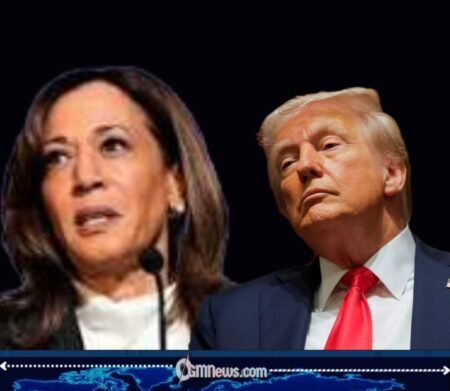
Kamala Harris is leading President Donald Trump by eight points in a newly released 2028 hypothetical rematch poll, reigniting national conversation about the direction of American politics. The early survey, while years ahead of the election cycle, has already sparked debate about voter appetite for familiar candidates versus new leadership.
The poll suggests that name recognition and established political brands continue to dominate early voter preferences. Analysts caution, however, that early-cycle surveys often reflect general sentiment more than firm electoral commitments.
Still, the numbers have fueled speculation about whether a rematch between two of the most prominent figures in recent political history is likely — or whether voters will ultimately demand alternatives.
What Early Polling Really Tells Us
Kamala Harris’ lead in the survey reflects current public mood rather than finalized campaign dynamics. Political scientists emphasize that early polls measure recognition and broad approval trends rather than detailed policy comparisons.
Historical precedent shows that early leads can narrow or reverse as campaigns intensify. Voter turnout models, economic conditions, and emerging issues often reshape electoral landscapes dramatically in the months leading up to voting.
Nonetheless, such polling influences fundraising, media narratives, and party strategy. Even speculative matchups can shape how potential challengers assess their viability.
The Kamala Harris Factor in 2028
Kamala Harris remains a central figure in the Democratic Party, with strong institutional backing and national recognition. Supporters argue that her experience in executive leadership and legislative roles positions her as a credible candidate.
Critics contend that electoral dynamics in 2028 may hinge less on past roles and more on future-facing proposals. Generational shifts within the electorate could influence whether established figures maintain dominance.
The possibility of a rematch scenario highlights how contemporary American politics often centers on recognizable personalities, sometimes overshadowing emerging leaders waiting in the wings.
The Question of Political Renewal
Kamala Harris’ position in the poll raises a broader question: Are voters content revisiting familiar matchups, or is there growing appetite for political renewal? Surveys often capture frustration with polarization, yet familiar candidates frequently prevail in primary cycles.
Political strategists note that party infrastructures tend to favor experienced contenders. Name recognition, donor networks, and organizational support create structural advantages that newcomers may struggle to overcome.
At the same time, independent voters and younger demographics often express interest in alternative voices. Whether that sentiment translates into viable candidacies remains uncertain.
Voter Fatigue and Electoral Cycles
Kamala Harris’ lead also reflects ongoing national divisions that have shaped recent elections. Analysts suggest that polarization may limit the range of competitive candidates, narrowing the field to figures already deeply embedded in partisan identities.
Voter fatigue is frequently cited as a concern when elections appear to recycle familiar rivalries. However, familiarity can also signal stability to portions of the electorate seeking predictability.
Electoral history demonstrates that rematches are uncommon but not unprecedented. Outcomes often depend on shifting economic indicators, international developments, and domestic policy debates closer to election day.
Beyond the Binary Choice
Kamala Harris’ early advantage underscores how two-party dynamics continue to define national elections. Structural barriers make third-party breakthroughs rare, reinforcing binary competition between major party nominees.
Whether new contenders emerge within party primaries remains a key variable. Political landscapes can shift rapidly when unexpected candidates capture grassroots momentum or when unforeseen events reshape voter priorities.
Ultimately, the poll’s headline question resonates beyond individual candidates: Are these truly the only two options again? As the 2028 cycle gradually takes shape, voters, parties, and potential challengers alike will test whether the political stage remains fixed — or whether new voices can redefine the contest before ballots are cast.

[…] […]