


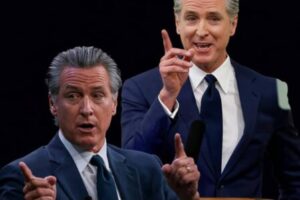














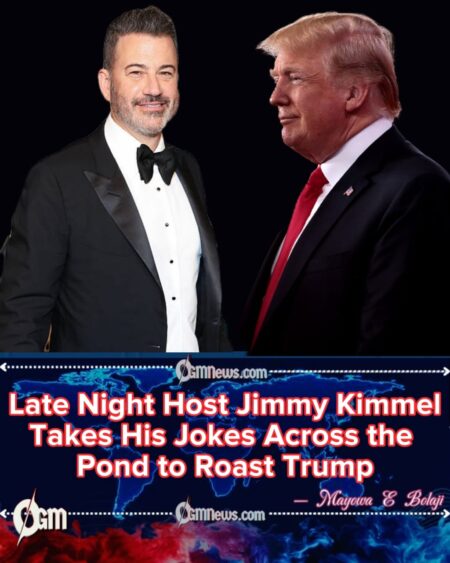
Jimmy Kimmel’s recent appearance on British television, during which he criticized President Donald Trump, currently serving his second term, has sparked renewed discussion over the intersection of comedy, politics, and international perception. Friday’s episode of The Right Squad dissected the implications of his comments, highlighting the growing influence of entertainers in political discourse and the global attention surrounding American leadership.
Jimmy Kimmel Brings U.S. Politics to a British Stage
Jimmy Kimmel delivered his remarks in the United Kingdom, using his signature humor to critique President Trump. While such commentary is familiar to U.S. audiences on his late-night show, the transatlantic setting drew additional attention and raised questions about how American political figures are perceived abroad.
Kimmel’s jokes touched on policies, leadership style, and the broader cultural conversation around the presidency. The international context amplified reactions, both supportive and critical, signaling that political satire no longer remains purely domestic.
Jimmy Kimmel Sparks Panel Debate on “The Right Squad”
Kimmel’s overseas comments were the focal point of discussion on The Right Squad, where panelists analyzed whether the host’s humor crossed into political activism. Several contributors criticized him for allegedly using comedy as a vehicle for partisan messaging.
Kimmel’s critics argued that delivering such remarks outside the United States magnifies their political impact. Meanwhile, defenders maintained that satire has always played a vital role in democratic societies, even when it targets sitting presidents.
Jimmy Kimmel Highlights the Blurring Line Between Comedy and Advocacy
Jimmy Kimmel’s style, blending humor with commentary on policy and leadership, illustrates the increasingly complex role of entertainers in shaping public discourse. Panelists debated whether his remarks represent audience demand for political content or a strategic shift to maintain cultural relevance.
Kimmel’s critics on The Right Squad claimed this trend risks alienating viewers seeking entertainment rather than political commentary. Others argued that satire remains a legitimate lens for societal critique, emphasizing free expression and media responsibility.
Jimmy Kimmel Amplifies Global Focus on President Trump
Jimmy Kimmel’s critique underscores the sustained international scrutiny of President Trump during his second term. Supporters argue that the attention reflects the president’s disruptive impact on global norms, while critics view it as a reminder of concerns about U.S. leadership abroad.
Kimmel’s panel discussion highlighted that international commentary can influence perceptions at home. His British stage appearance demonstrates that political commentary is no longer confined by national borders.
Jimmy Kimmel Reflects Media Polarization in America
Kimmel’s overseas remarks received sharply divided reactions across U.S. media and social platforms. Supporters of the president dismissed them as partisan comedy, while critics amplified the narrative across social media, deepening ideological divides.
Kimmel’s segment on The Right Squad emphasized that this polarization is emblematic of broader trends in American media, where the boundaries between entertainment, news, and political commentary continue to blur.
Kimmel Questions the Limits of Free Speech
Kimmel’s critics on the panel questioned whether his British television comments represented responsible free speech or excessive political grandstanding. While some defended his right to speak internationally, others suggested it risks unnecessary politicization of entertainment platforms.
Kimmel’s remarks ultimately highlight the evolving role of celebrity voices in global politics and the enduring public fascination with U.S. presidential leadership.
[…] […]