






















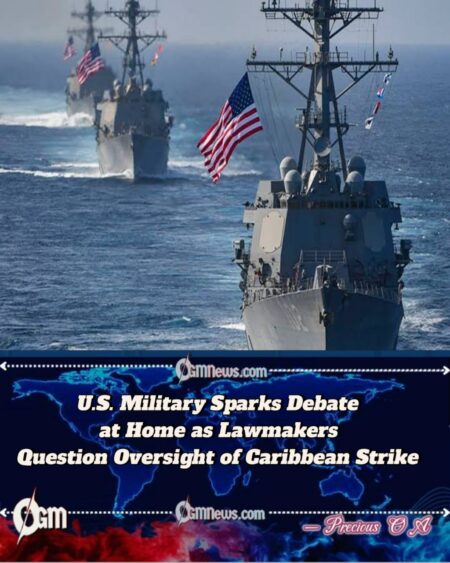
The US Military has carried out a decisive “lethal strike” in the southern Caribbean, destroying a Venezuelan narco-terrorist drug boat bound for the United States. Secretary of Defense Marco Rubio confirmed the operation during a Pentagon briefing, describing it as a “precise and justified” mission that underscores Washington’s determination to dismantle drug-fueled terrorism at its source.
The announcement signals a significant escalation in America’s fight against cartels operating in the Caribbean and Latin America. Rubio said the mission was not only about drugs but about safeguarding U.S. citizens from violent groups that thrive on trafficking networks and state complicity.
Operation in the Caribbean
US Military forces intercepted the drug-laden vessel late Saturday in international waters after intelligence reports revealed its route from Venezuela toward the U.S. mainland. The vessel was heavily armed, operated by a cartel group classified by the Pentagon as a narco-terrorist organization.
When repeated warnings to halt were ignored, the strike team responded with precision firepower. The drug boat was disabled and quickly sank, leaving behind debris but preventing what officials described as “a significant narcotics delivery” to American shores.
Rubio Praises the Strike
US Military personnel involved in the mission received high praise from Secretary Marco Rubio, who called the operation a “textbook example of coordinated execution.” He emphasized that the strike highlighted flawless cooperation between intelligence agencies and combat units.
“This was not simply about seizing drugs,” Rubio told reporters. “This was about dismantling terror networks that destabilize entire regions and endanger American lives. The U.S. Military proved once again that it will act decisively when the security of our people is at stake.”
Tensions with Venezuela
US Military reports have long linked the Maduro government to drug cartels operating across South America. While Venezuela consistently denies involvement, U.S. officials argue that Caracas provides safe harbor, protection, and logistical support to criminal groups.
Analysts say the strike will likely heighten tensions between Washington and Caracas, with the Venezuelan government expected to condemn the operation as an act of aggression. However, Rubio and Pentagon officials stressed that the engagement occurred legally in international waters and targeted a hostile vessel.
Presidential Authorization
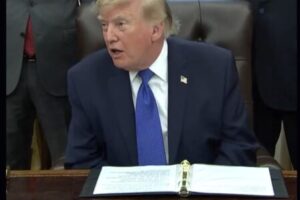
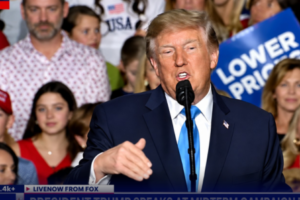
US Military engagement was authorized directly by President Trump after a series of intelligence briefings. The president praised the strike as a demonstration of America’s resolve, stating that narco-terrorist organizations would be treated with the same seriousness as international extremist groups.
“The United States will never allow cartels or their enablers to poison our communities,” Trump said in a statement. “This strike sends a message: if you threaten the American people, you will face consequences.”
Global Response
The strike drew swift international reactions. Colombia, a close U.S. ally in regional security efforts, applauded the action and called it “a necessary defense measure against organized crime.” Several Caribbean nations, however, urged restraint, warning that such confrontations risk escalating tensions in an already fragile region.
Human rights organizations expressed concerns about transparency and oversight, though Pentagon officials insisted the operation caused no civilian casualties. According to the Defense Department, intelligence confirmed only cartel members were on board the vessel.
Expanding the Fight Against Narco-Terrorism
US Military leaders have been clear that the strike represents part of a larger strategy. In recent months, patrols and surveillance flights across the Caribbean have increased, reflecting a shift from reactive interdictions to proactive dismantling of smuggling routes.
By officially designating cartels as narco-terrorist organizations, the Pentagon gains greater authority to use military force against them. This approach, analysts say, effectively merges America’s war on drugs with counter-terrorism doctrine.
Political Implications at Home
The strike is likely to strengthen public confidence in U.S. Military operations abroad and reinforce President Trump’s tough-on-crime agenda. Rubio, too, may see his political stature grow, with bipartisan acknowledgment of the mission’s success.
Critics, however, have raised concerns about expanding military authority without congressional oversight. Some lawmakers warn that frequent lethal engagements could risk drawing the United States deeper into regional conflicts with uncertain outcomes.
Looking Forward
US Military commanders at SOUTHCOM have already repositioned forces in anticipation of potential retaliation by cartel-linked groups. Additional naval and aerial assets are being deployed to monitor smuggling corridors and deter further attempts.
“The mission proved our capability,” Rubio concluded. “But the fight is far from over. The US Military stands ready to protect the American people, wherever threats may arise.”
[…] […]