


























President Donald Trump appears to have quietly abandoned his ambitious goal of passing his landmark tax-and-spending bill before the July 4 Independence Day holiday, as the legislation encounters mounting obstacles in the Senate. Just two days ago, Trump urged Republican lawmakers to scrap their vacation plans, declaring that his “big, beautiful bill” needed to be finalized before the holiday.
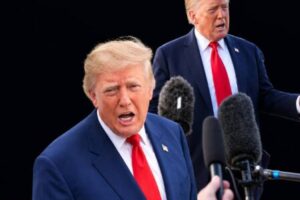
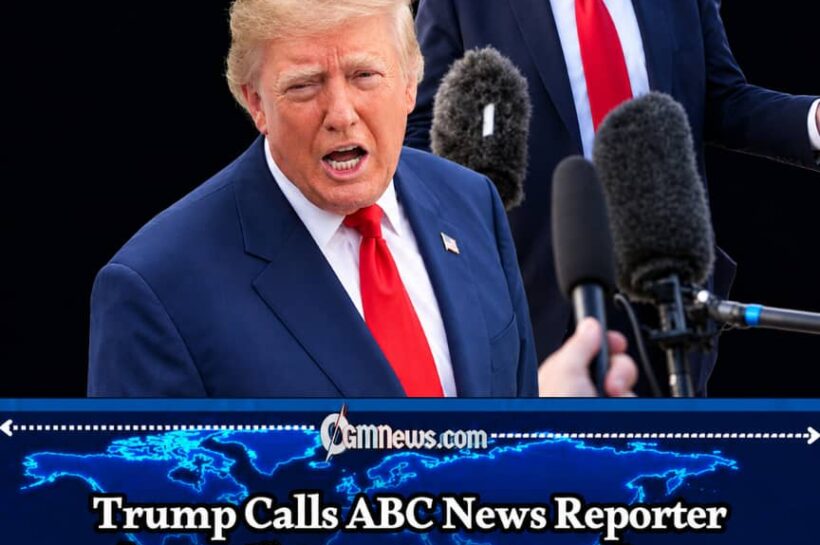
However, during a high-stakes pitch at the White House on Thursday—attended by congressional leaders, cabinet members, first responders, and families affected by crime—Trump noticeably avoided mentioning the looming deadline. Instead, the president focused on the broader merits of the bill, urging everyday Americans to pressure their lawmakers. “There are hundreds of things here. It’s so good,” Trump said, touting tax cuts and increased immigration enforcement funding embedded in the legislation.
Senate Parliamentarian Deals Blow to GOP Strategy
A major blow to the bill’s momentum came from the Senate parliamentarian, Elizabeth MacDonough, whose ruling on Thursday invalidated a critical provision Republicans had hoped to include. The provision would have altered how states tax funds used for Medicaid, a key element designed to help finance the bill.
Democrats swiftly celebrated the ruling as a significant victory. Senate Minority Leader Chuck Schumer declared, “This win saves hundreds of billions of dollars for Americans to get healthcare, rather than funding tax cuts to billionaires.” The decision complicates Republicans’ use of the budget reconciliation process, which allows bills to bypass the filibuster and pass with a simple majority—provided the contents strictly pertain to spending, revenue, or the debt ceiling.
Mounting Deficit Warnings and Healthcare Backlash
The bill faces not only procedural hurdles but also fierce criticism over its fiscal and social impacts. According to the bipartisan Joint Committee on Taxation, the legislation would add a staggering $4.2 trillion to the U.S. budget deficit over the next decade. This projected shortfall alarms both fiscal conservatives and moderates within the Republican Party.
Democrats have dubbed the legislation the “big, ugly betrayal,” citing its proposed cuts to Medicaid—the largest reduction since the program’s inception in 1965—which could strip health coverage from an estimated 16 million Americans. The bill would also impose severe reductions to the Supplemental Nutrition Assistance Program (SNAP), affecting millions of low-income families reliant on food assistance.
OGMNews.COM
Trump’s ‘Big, Beautiful Bill’ Stalls in Senate as GOP Divisions Grow
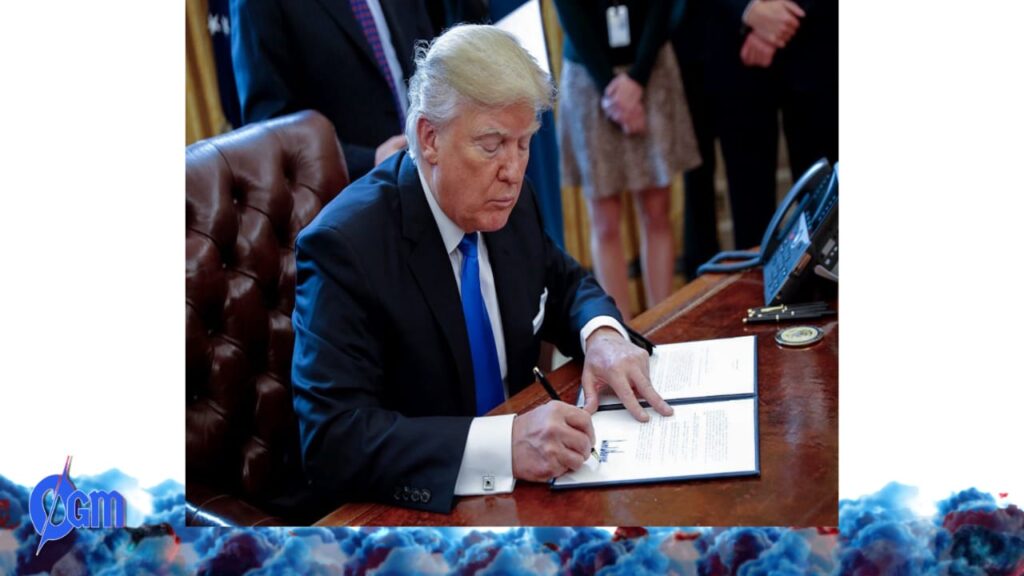
The greatest threat to the bill’s survival now comes from within Trump’s own party. Several Senate Republicans, particularly moderates, remain noncommittal. Senator Lisa Murkowski of Alaska labeled the bill a “work in progress” and cautioned against rushing to meet an “arbitrary” deadline.
Senator Thom Tillis of North Carolina echoed this sentiment, admitting, “I don’t think anybody believes the current text is final.” He emphasized that significant revisions are still under negotiation, reflecting widespread concerns over the bill’s cost and impact.
Meanwhile, House Republicans, who narrowly passed an earlier version by a single vote, are bracing for the possibility of having to vote again on a revised Senate version—one that could spark renewed infighting between fiscal hawks and party leadership.
Trump Cranks Up Public Pressure Amid Uncertainty
Despite scaling back talk of a July 4 signing, Trump has intensified efforts to rally public support. In his Thursday address, the president framed the legislation as a boon for working-class Americans, first responders, and victims of crime, particularly crimes committed by undocumented immigrants.
“If you can, call your senators, call your congressmen. We have to get the vote,” Trump urged, signaling that the fight is far from over. His administration continues to present the bill as a cornerstone achievement that extends the tax cuts from his first term while significantly boosting border security and immigration enforcement.
Pivotal Week Ahead for Trump’s Domestic Agenda
As Senate Majority Leader John Thune weighs whether to hold an initial vote as early as Friday, uncertainty clouds the fate of Trump’s signature legislative effort. Whether Republicans can reconcile internal divisions, withstand public backlash over healthcare cuts, and comply with Senate procedural rules will determine whether the bill survives or collapses.
For now, the July 4 fireworks at the White House may proceed without the legislative victory Trump once envisioned—leaving his “big, beautiful bill” dangling in legislative limbo.



Logging in is a breeze and the site stability is amazing even during peak hours....