

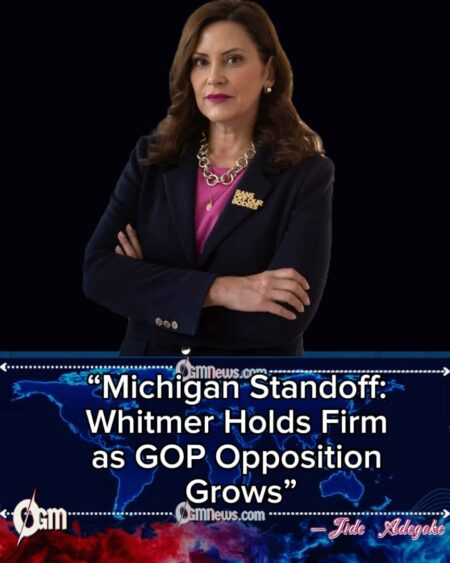
Michigan Governor Gretchen Whitmer is once again at the center of a high-stakes political confrontation as GOP lawmakers intensify their criticism of her administration’s policies and leadership style. Supporters argue that Whitmer’s firm stance represents a crucial defense of democratic norms, while opponents claim her approach deepens partisan tension. The dispute has sparked renewed national attention, drawing reactions from both sides of the political spectrum and highlighting Michigan’s growing role in the broader American political narrative.
Rising Tensions Between the Governor and State Republicans
Political friction in Michigan has escalated sharply in recent weeks as Republican lawmakers challenge several of Whitmer’s policy directions. From energy reforms to state budget allocations, GOP leaders accuse the governor of operating with excessive executive authority.
Governor Whitmer, in contrast, maintains that the pushback reflects opposition to policies widely supported by Michigan residents, particularly investments in infrastructure, public safety, and clean energy. Her team argues that the administration’s approach is rooted in long-term planning rather than short-term political momentum.
Policy Clashes Reflect Deeper Ideological Divides
Much of the current turbulence is tied to sweeping legislative initiatives Whitmer has supported, especially around climate policy and workforce development. Republicans contend these measures place economic strain on rural constituents and small businesses.
However, Democrats and independent policy analysts counter that the governor’s agenda aligns with national economic trends and positions Michigan for future competitiveness. The ideological divisions have grown more pronounced as both parties prepare for the next federal election cycle.
National Spotlight Intensifies Political Stakes
The growing clash has attracted national attention, amplified by statements from political stakeholders and public advocates. Supporters of Governor Whitmer emphasize her willingness to defend state autonomy against partisan federal influence.
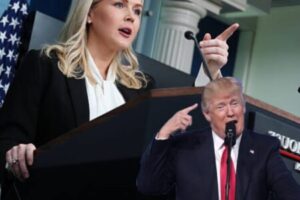
The current U.S. president, Donald Trump, now serving his second term, has referenced political developments in Michigan several times, further heightening national focus. His comments have energized Republican challengers in the state while simultaneously galvanizing Democratic support around Whitmer.
Grassroots Mobilization and Public Response
Public engagement around the conflict continues to surge, particularly across social media platforms where activism for and against the governor is increasing. Whitmer’s supporters have called for residents to “stand with the governor,” emphasizing her record on public health, education, and economic stabilization.
Meanwhile, Republican groups are mobilizing to counter that narrative, encouraging grassroots pressure on the legislature to resist what they view as overreach. Michigan’s politically diverse electorate remains deeply divided, and analysts expect voter mobilization efforts to play a decisive role in shaping the state’s political future.
What the Standoff Means for Michigan’s Political Future
Political observers warn that the widening rift may complicate legislative cooperation heading into the next budget cycle. Key issues such as infrastructure modernization, teacher retention incentives, and statewide tax revisions could stall if bipartisan consensus remains elusive.
Yet allies of Governor Whitmer argue that her steadfast approach underscores a commitment to stability amid national political turbulence. Michigan’s ongoing struggle between executive leadership and partisan resistance may prove a defining chapter in the state’s modern political history.