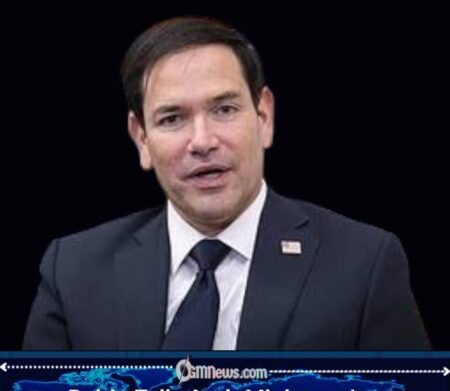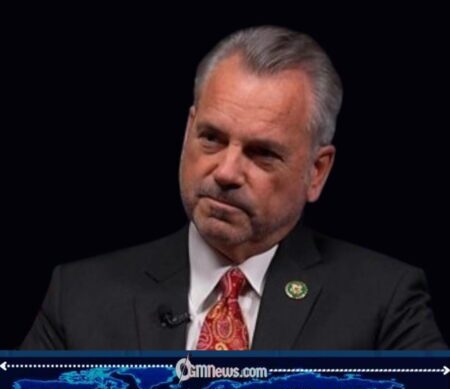

James Blair has led the administration’s public defense of the Department of Homeland Security (DHS) funding bill, arguing that Democratic opposition risks weakening federal immigration enforcement. Blair maintains that the standoff reflects political grandstanding rather than substantive policy disagreement, while Democratic lawmakers insist their demands focus on accountability and civil liberties. The dispute has triggered a partial DHS funding lapse, deepening partisan divisions over immigration policy and enforcement standards.
James Blair: ‘Grandstanding’ Claim Frames the Administration’s Position
James Blair has repeatedly asserted that the shutdown reflects a refusal by Democrats to support the enforcement of existing immigration laws. According to Blair, conditions attached to the funding bill would restrict the operational effectiveness of federal agencies tasked with border security and deportation enforcement.
Blair’s comments echo the broader stance of Donald Trump, who is serving his second term as U.S. president and has prioritized strict immigration enforcement as a cornerstone of his administration’s domestic agenda. Administration officials argue that delays in funding threaten border operations and undermine deterrence.
From the White House viewpoint, Blair’s warnings underscore a philosophical divide: whether enforcement agencies should operate without additional restrictions or under enhanced oversight mechanisms designed to protect civil liberties.
Democratic Position: Oversight Measures, Not Enforcement Rollback
Democratic lawmakers reject James Blair’s characterization, stating that their proposals aim to strengthen accountability while preserving enforcement authority. Measures under discussion reportedly include body cameras for agents, clearer use-of-force standards, and limits on the use of masks during operations.
Supporters of these reforms argue that public trust in federal agencies depends on transparency and adherence to constitutional protections. They contend that oversight provisions would align immigration enforcement practices with standards applied to other law enforcement bodies.
Democratic leaders emphasize that funding and oversight are inseparable, asserting that Congress has a duty to ensure enforcement practices meet legal and ethical benchmarks.
Operational Impact: Agencies Navigate Funding Lapse
The funding lapse has affected administrative and support functions across DHS components, including the Transportation Security Administration, the Federal Emergency Management Agency, and the Coast Guard. Essential personnel remain on duty, though many face delayed pay.
Security experts note that prolonged funding gaps can strain morale and delay training, procurement, and modernization efforts. However, contingency plans are designed to maintain core border and aviation security operations.
Economists caution that shutdowns can ripple beyond federal agencies, potentially delaying disaster relief funds and affecting local emergency preparedness programs that rely on federal coordination.
Political Stakes: Immigration Debate Intensifies
Immigration remains a defining issue in U.S. politics, and James Blair’s remarks reflect the administration’s broader campaign messaging on law and order. Republicans argue that Democratic conditions weaken border security, while Democrats counter that enforcement without accountability risks civil rights violations.
The administration’s framing aligns with its emphasis on deterrence and stricter border controls. Democratic leaders, meanwhile, appeal to moderate voters by highlighting humane enforcement and transparency.
Political analysts suggest both parties are leveraging the shutdown to mobilize their bases, complicating efforts to reach a compromise.
Historical Context: Funding Battles and Immigration Policy
Government shutdowns linked to immigration disputes have occurred in the past, often centering on border wall funding, asylum rules, or enforcement priorities. James Blair’s current arguments reflect longstanding tensions over how to balance border security with civil liberties.
Policy experts note that attaching reforms to funding bills is a common legislative strategy, though it increases the risk of shutdowns during periods of intense partisan division. The present standoff illustrates enduring disagreements over enforcement standards and humanitarian considerations.
Scholars warn that repeated funding crises can erode public confidence in government institutions, particularly when national security agencies are affected.
Prospects for Resolution: Negotiations Continue
Negotiations remain ongoing, with lawmakers exploring potential compromises that could satisfy both enforcement priorities and oversight demands. Options reportedly include pilot programs for body cameras, enhanced reporting requirements, and phased implementation of accountability measures.
Observers note that a resolution will likely require concessions from both parties. While the administration seeks a clean funding bill, Democrats maintain that enforcement reforms are essential to restoring public trust.
Until an agreement is reached, James Blair’s warnings continue to frame the administration’s position in a debate that underscores deep divisions over immigration enforcement.