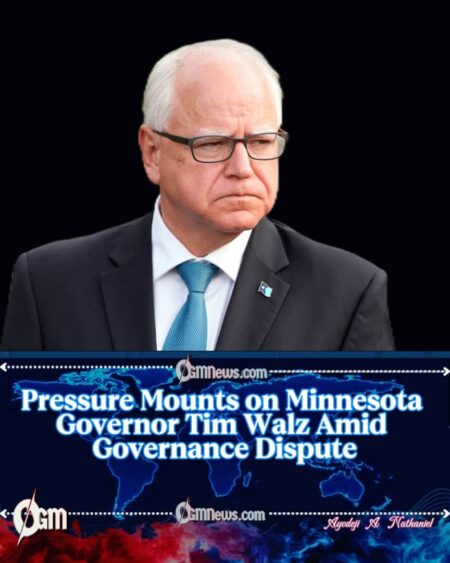
A growing chorus of critics is urging Tim Walz to resign, arguing that recent controversies reflect systemic failures in leadership and oversight. The calls, framed by opponents as a bid to protect long-term public trust, have also sparked discussion about electoral accountability, with some voters advocating a decisive verdict at the ballot box in 2026.
Supporters of the governor, however, maintain that the accusations are politically motivated and insufficient to warrant resignation
Background to the Controversy
The dispute centers on allegations raised by political opponents who describe recent actions by Tim Walz as emblematic of deeper governance shortcomings. While the precise triggers vary across critics’ accounts, the overarching claim is that policy decisions and administrative processes have fallen short of expectations held by a segment of the electorate.
State officials allied with the governor counter that the administration has complied with legal and ethical standards. They emphasize ongoing reviews and procedural safeguards as evidence that concerns can be addressed within existing democratic institutions rather than through resignation.
Opposition Demands and Public Messaging
Opposition figures and advocacy groups have amplified their demands through public statements and social media campaigns, urging immediate resignation and framing the issue around accountability. In their messaging, Tim Walz is portrayed as a symbol of what critics describe as institutional complacency that must be corrected.
The rhetoric has resonated with some voters who argue that leadership standards must be uncompromising. Others, however, caution against conflating political disagreement with proven misconduct, warning that such campaigns can erode trust if not grounded in verified findings.
Response from the Governor and Allies
The governor’s office has rejected calls to step aside, stressing that the administration remains focused on governing. Allies insist that Tim Walz continues to fulfill his constitutional mandate and point to legislative achievements and crisis-management efforts as evidence of steady leadership amid political pressure.
Supporters also note that Minnesota’s constitutional framework provides clear mechanisms—investigations, legislative oversight, and elections—to adjudicate disputes. In their view, bypassing these processes risks politicizing accountability and undermining institutional stability.
Electoral Implications and the 2026 Outlook
Beyond immediate demands, critics are encouraging voters to render judgment in the next gubernatorial election cycle. The 2026 race is increasingly framed as a referendum on the current administration’s record, with Tim Walz positioned by opponents as the central figure voters must evaluate.
Political analysts suggest that the controversy could influence fundraising, candidate recruitment, and voter turnout. Whether it becomes a defining issue will depend on developments in the months ahead and the public’s assessment of competing claims.
Broader Debate on Governance and Accountability
The episode underscores a wider national debate about the thresholds for resignation versus electoral resolution. While resignation is often invoked as a symbol of accountability, elections remain the principal mechanism for democratic change.
In Minnesota, the discussion reflects divergent views on how best to balance stability with scrutiny. As institutions continue their work, the outcome will likely hinge on transparency, due process, and the electorate’s confidence in leadership associated with Tim Walz.