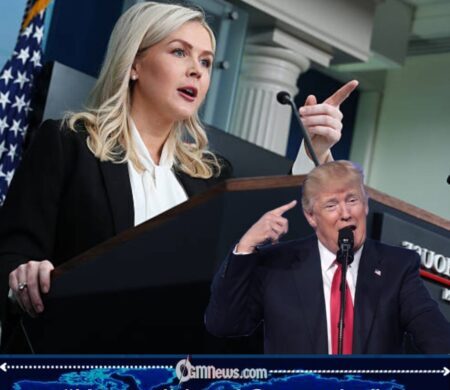
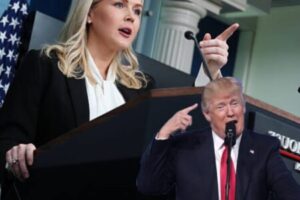
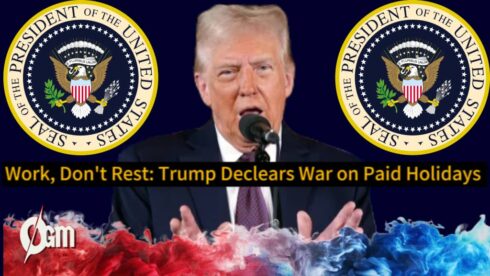
U.S. President Donald Trump has raised national eyebrows after launching a fiery criticism of what he describes as an “overdose of non-working holidays” across the United States. In a public statement that stirred immediate debate, the president decried the economic impact of business closures on designated holidays, arguing it is costing the nation billions of dollars annually and weakening productivity. The president, currently serving his second term, emphasized the urgency of reversing what he calls an “unsustainable culture of rest,” suggesting that America risks having more holidays than working days if current trends continue. President Donald Trump didn’t mince words in his statement:
“It is costing our country billions of dollars to keep all of these businesses closed. The workers don’t want it either!” He added, “Soon we’ll end up having a holiday for every once working day of the year.” The remark, made during an address at a conservative business summit in Texas, immediately went viral and dominated both political and labor headlines.
Donald Trump’s tone was a direct appeal to his base—blue-collar workers, business owners, and fiscal conservatives—arguing that restoring America’s economic supremacy requires a return to a culture centered on work, efficiency, and resilience. Critics, however, say the president’s remarks disregard labor rights and mental health considerations.
Economic Rationale: Billions at Stake?
According to Donald Trump, the total cost of holiday-related shutdowns across sectors—particularly manufacturing, logistics, and finance—has ballooned into the tens of billions. The president cited internal White House data suggesting that non-essential business closures for holidays could cost the U.S. economy over $28 billion annually in lost productivity.
Independent economists remain divided. Some analysts, like Heritage Foundation’s Joel Folsom, support the president’s position, arguing that “holiday inflation” is economically unsound. Others, however, caution that cutting back on holidays could lead to long-term decreases in worker satisfaction and productivity, ultimately harming the very economy Trump aims to protect.
Labor Unions React Swiftly and Sharply
Labor unions across the country wasted no time responding to the president’s remarks. AFL-CIO President Liz Shuler issued a statement condemning the proposal, calling it “an assault on the American workforce’s dignity and well-being.” She noted that holidays are not merely breaks, but reflections of national values and labor struggles.
Many union leaders fear Donald Trump’s rhetoric could pave the way for federal or state-level reforms that reduce paid holidays or increase pressure on private-sector employers to operate without regard for traditional rest periods. Already, whispers of legislative drafts to this effect are reportedly circulating among Republican lawmakers.
Business Community Split Between Support and Concern
Within the business community, reactions have been mixed. While some CEOs have applauded the president’s stance—particularly in manufacturing and logistics industries—others warn of the morale risks associated with overworking employees. “Our people need time to recharge,” said Jennifer Yates, CEO of a New York-based tech firm. “Burnout costs more than a day off ever will.”
Still, large retail chains and restaurant owners welcomed Trump’s statement, viewing it as a call to restore operational normalcy. “If people want to shop or eat on holidays, why should businesses close?” asked Greg Montgomery, a national franchise owner. “That’s economic suppression disguised as tradition.”
OGMNews.COM
Too Many Days Off!” – Donald Trump Targets National Holiday Overload
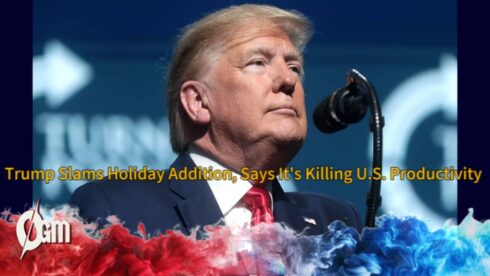
Donald Trump’s comments ignited a firestorm online, with hashtags like #HandsOffMyHolidays and #TrumpWorkPlan trending for over 48 hours. While supporters praised the president for his pro-business realism, critics labeled the proposal as out of touch and even “authoritarian.”
Cultural commentators also joined the fray, arguing that America’s limited holiday calendar already lags behind most industrialized nations. “This is not Europe with 30 days of vacation,” tweeted political analyst Marianne Avila. “Americans barely get a few paid days off—and now even that is under threat.”
Historical Context: Are Holidays Really Increasing?
While Donald Trump suggests that holidays are multiplying uncontrollably, federal data tells a more nuanced story. The U.S. observes 11 federal holidays per year—unchanged since Martin Luther King Jr. Day was added in 1983. However, state and local governments sometimes add their own commemorative days, and private companies may grant additional leave based on internal policies.
What has changed, however, is the cultural emphasis placed on observances such as Juneteenth and Indigenous Peoples’ Day, both of which have gained national traction and debate. Some critics argue Donald Trump’s remarks are less about economics and more about resisting cultural shifts in holiday recognition.
Republican Lawmakers Signal Possible Action
Sources close to Republican leadership indicate that Donald Trump’s comments may not remain rhetoric for long. A group of GOP legislators, reportedly led by Senator Rick Scott and Representative Jim Jordan, is said to be drafting a bill that would review and possibly consolidate certain national holidays.
While details remain under wraps, insiders suggest the proposed law might make certain observances optional or restrict state-level holiday expansion. If passed, such legislation could mark a dramatic shift in how America defines national rest days.
Democratic Pushback and 2026 Election Implications
Democrats are already leveraging Trump’s remarks as campaign ammunition. Senator Elizabeth Warren tweeted, “Donald Trump wants to take your holidays away so billionaires can earn a few more dollars. Typical.” With the 2026 midterms approaching, both parties are expected to weaponize the issue to galvanize their respective bases.
Campaign strategists predict that the “holiday debate” may join culture war battlegrounds like education, gun rights, and health mandates in the 2026 narrative. For Trump, it’s another opportunity to portray himself as the champion of capitalist values and hard work.
What’s Next? National Holiday Commission Proposal Looms
In response to the controversy, the Donald Trump administration is reportedly considering the creation of a National Holiday Review Commission—an independent advisory body that would reassess the necessity, cost, and cultural significance of all federally recognized holidays.
According to insiders, the commission would include economists, historians, labor representatives, and business leaders. While the concept remains under review, it underscores the president’s determination to reshape national attitudes toward work, rest, and productivity in his second term.
President Trump’s attack on America’s holiday calendar has stirred passionate debate across ideological lines. While some hail it as necessary reform in an age of global economic competition, others warn of the social and psychological costs of undermining rest culture. As legislation and public discourse evolve, one thing is clear: the meaning of a holiday in America is no longer just a day off—it’s a political battlefield.