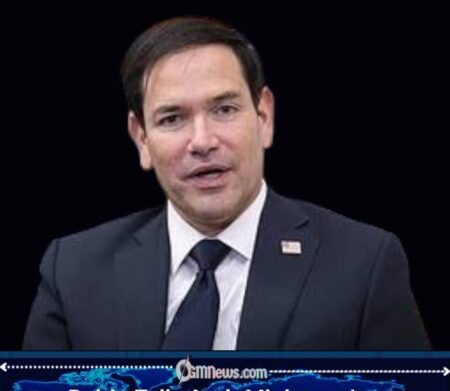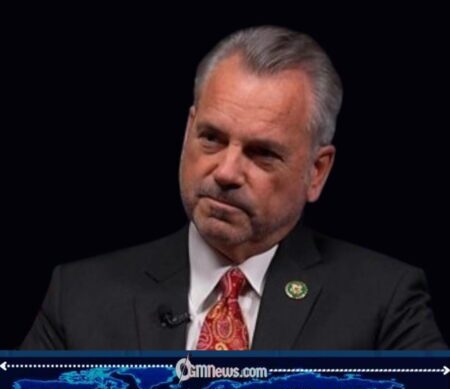





U.S. Congresswoman Sarah McBride has disclosed that several Republican lawmakers have privately apologized to her for what she describes as the cruelty and hostility displayed by some of their colleagues. According to McBride, these expressions of regret occur away from microphones and cameras—behind closed doors—while public denunciations of the behavior remain notably absent. Her revelation has reignited debate over political courage, accountability, and the widening gap between private conscience and public conduct in American politics.
McBride’s remarks underscore a broader tension in Congress: lawmakers who acknowledge harm in private but stop short of challenging it openly. “We need them to have the guts to say it out loud too,” she said, framing the issue as one of integrity rather than partisanship.
Private Apologies in a Public Institution
McBride’s account points to a pattern of private conversations in which Republican lawmakers have expressed discomfort with rhetoric and actions directed at her by colleagues. These interactions, she suggests, are marked by empathy and acknowledgment that certain behaviors cross ethical and professional lines.
However, the contrast between these private apologies and public silence raises questions about the effectiveness of such gestures. In a legislative body designed for public accountability, critics argue that private contrition without public action does little to address systemic issues or deter future misconduct.
The Allegations of Cruelty
While McBride did not name specific individuals or incidents in her remarks, she characterized the conduct as cruel and demeaning. The language, she said, has contributed to a hostile environment that undermines the dignity of elected officials and the democratic process itself.
Supporters of McBride contend that the issue transcends personal offense, touching on broader norms of civility and respect within Congress. They argue that unchecked behavior erodes public trust and normalizes intolerance, regardless of the target.
Political Courage and Public Accountability
Central to McBride’s message is a call for political courage. She argues that acknowledging wrongdoing privately is insufficient when harmful rhetoric persists publicly. In her view, meaningful accountability requires lawmakers to speak out—even when doing so carries political risk.
This stance highlights a familiar dilemma in Washington: balancing party loyalty against ethical responsibility. For some lawmakers, public dissent can invite backlash from party leadership or constituents, creating strong incentives to remain silent despite private misgivings.
Reactions Across the Aisle
Democratic colleagues have largely echoed McBride’s concerns, urging bipartisan commitment to respectful discourse. They emphasize that condemning cruelty should not be controversial and that silence can be interpreted as tacit approval.
Republican responses have been more restrained, with some members emphasizing the importance of civility in general terms while avoiding direct engagement with McBride’s claims. The absence of explicit public apologies has, however, reinforced her assertion about the disconnect between private words and public action.
Implications for Congressional Culture
The episode sheds light on the broader culture of Congress, where private conversations often differ markedly from public posturing. Observers note that such discrepancies can weaken institutional credibility and perpetuate a cycle in which harmful behavior is acknowledged but not addressed.
McBride’s call for openness challenges lawmakers to align their public positions with their private beliefs. Whether her remarks will prompt more forthright dialogue—or further entrench silence—remains an open question.