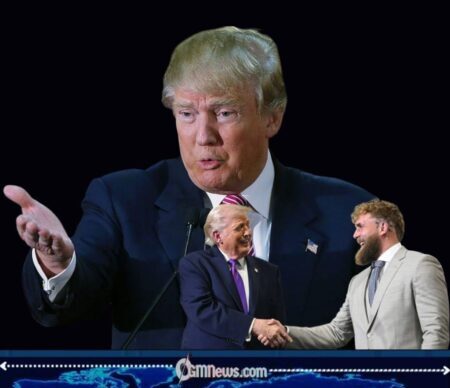




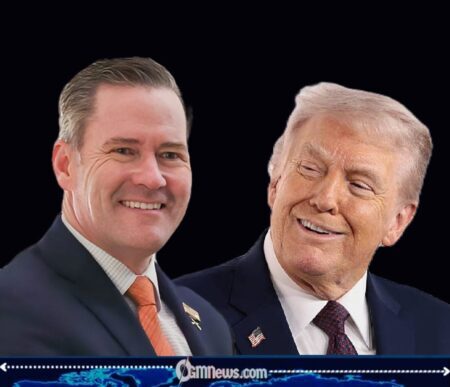
Mike Waltz drew national attention during a recent television appearance when he described Donald Trump as the “peace president.” Waltz made the remark while speaking on Fox News during a broadcast that simultaneously displayed footage of U.S. airstrikes targeting military sites in Iran.
The interview occurred amid escalating tensions in the Middle East and ongoing U.S. military operations aimed at weakening Iranian military infrastructure. As the images of explosions and strike missions played across television screens, Mike Waltz argued that the administration’s strategy was ultimately intended to prevent wider conflict rather than provoke one.
His remarks quickly circulated across political and diplomatic circles, drawing reactions from analysts and lawmakers who debated the contrast between the administration’s messaging and the visual imagery of active military strikes.
Mike Waltz Describes Trump as “Peace President”
During the interview, Mike Waltz strongly defended the foreign policy approach of President Donald Trump, who is currently serving his second term as President of the United States. Waltz stated that Trump’s leadership style combines military readiness with diplomatic leverage designed to force adversaries toward negotiation.
According to Mike Waltz, the administration’s goal is not the expansion of conflict but the resolution of long-standing hostilities involving Iran. He argued that firm military responses could deter further aggression and ultimately create conditions that allow diplomacy to succeed.
The phrase “peace president,” used by Waltz during the broadcast, quickly became the defining moment of the interview, especially given the backdrop of combat footage playing on screen.
U.S. Airstrikes Target Iranian Military Infrastructure
The remarks came as the United States carried out a series of airstrikes against Iranian military installations. American defense officials have said the operations were designed to neutralize missile capabilities, naval assets, and command facilities linked to Iran’s military operations.
The campaign represents one of the most significant escalations between Washington and Tehran in recent years. U.S. officials maintain that the strikes are a defensive measure aimed at protecting American personnel and allies in the region.
Military analysts say the operation also sends a strategic signal to Iranian leadership that the United States is prepared to respond decisively to threats against its interests.
Rising Global Concerns Over Middle East Stability
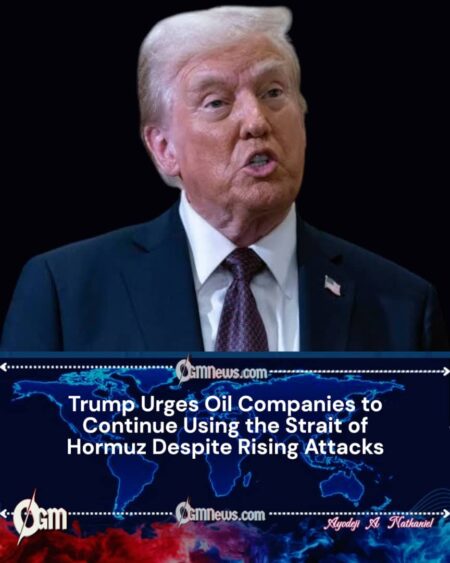
The intensifying confrontation between the United States and Iran has raised concerns about regional stability and global economic impacts. Oil markets have reacted nervously to the possibility of disruptions in key shipping lanes, particularly around the strategically vital Strait of Hormuz.
Energy analysts warn that any prolonged conflict could significantly affect global oil supply, increasing fuel prices and adding pressure to already fragile international markets.
Governments around the world are closely monitoring the situation, urging restraint while preparing contingency measures to manage potential economic shocks.
Diplomatic Possibilities Remain Open
Despite the ongoing military campaign, President Donald Trump has indicated that diplomatic options remain on the table. Administration officials have suggested that the pressure created by military action could eventually lead to negotiations.
According to statements from U.S. officials, any potential talks would likely focus on limiting Iran’s nuclear ambitions, reducing missile capabilities, and establishing broader regional security guarantees.
Observers say the coming weeks will reveal whether the strategy outlined by Mike Waltz—combining military pressure with diplomatic engagement—will lead to negotiations or further escalation.
Political Debate Intensifies in Washington
Waltz’s comments have sparked debate among policymakers and foreign policy experts in Washington. Supporters of the administration argue that strength and deterrence are essential tools for maintaining peace and protecting American interests.
Critics, however, question whether describing the current moment as a pursuit of peace accurately reflects the realities of military engagement. Some analysts argue that messaging will play a critical role in shaping both domestic opinion and international perceptions of the conflict.
As the situation continues to develop, the remarks made by Mike Waltz on national television have become a focal point in the broader conversation about the United States’ strategy toward Iran and the future of stability in the Middle East.