



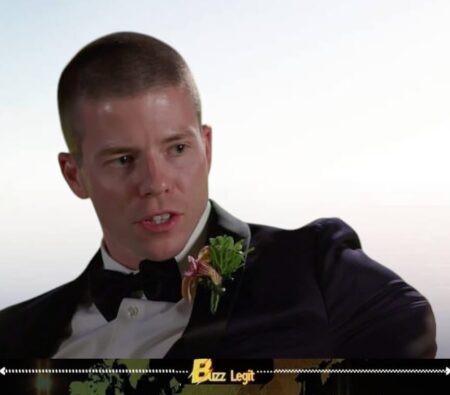
Tyson Gordon of Married At First Sight has opened up about his personal evolution, sharing what he calls his “biggest regret” from his time on the show while affirming his controversial anti-woke outlook. In a candid interview, he described a period in which his belief system began to affect his self-image in ways he did not anticipate.
Tyson Gordon said that although he initially felt confident in expressing his views, there came a point where his own rhetoric began to take a toll on his mental wellbeing. “Even I was starting to hate myself,” he acknowledged, pointing to a phase when public reception and internal conflict collided.
Tyson Gordon insisted that he is not backing down from his fundamental stance, which he frames as a critique of what he sees as excessive political correctness. However, he emphasized that his journey has involved honest self-reflection about how his words and beliefs resonate both internally and with others.
The Journey Behind the Scenes
Tyson Gordon’s time on Married At First Sight thrust him into the public eye, exposing his personality and opinions to a broad audience. Reality television often amplifies character traits for dramatic effect, and he said this heightened scrutiny influenced how he perceived himself off-camera.
Viewers responded to his outspoken commentary with a mix of support and criticism. Some praised his willingness to challenge mainstream cultural norms, while others took issue with what they saw as dismissive or polarizing language.
Despite the mixed reception, Tyson Gordon has characterized the experience as an important learning opportunity. “I had to reconcile who I thought I was with the feedback I was getting from people all over the world,” he explained, likening it to a crash course in personal identity under public pressure.
Tyson Gordon’s Anti-Woke Perspective
Tyson Gordon has been clear about his opposition to what he describes as “woke ideology,” which he views as overly restrictive and punitive to people who express dissenting viewpoints. He is not alone in this perspective; a segment of society shares similar concerns about cultural conformity and freedom of expression.
Nevertheless, he has faced backlash for the way he communicates his critique. Critics argue that his phrasing at times comes off as combative or dismissive of issues that others see as pressing social concerns. Tyson acknowledges that tone matters but maintains that his core message is about individual autonomy.
As part of his self-examination, Tyson says he has become more intentional about distinguishing between critiquing ideas and attacking people. He describes this as a personal growth moment, refining how he expresses his views without undermining his convictions.
Balancing Public Persona and Personal Identity
Tyson Gordon noted that reality TV can blur the lines between a person’s public persona and their private self. “You put yourself out there, and suddenly everyone feels like they get to define you,” he said. This dynamic, he explained, contributed to his introspection.
Fans, critics, and casual viewers alike formed strong opinions based on hours of televised interactions, social media clips, and commentary. Tyson said that navigating these reactions required developing a thicker skin and a clearer sense of self beyond the show’s editing room.
Some former castmates have publicly supported Tyson’s right to his opinions, while others have criticized the impact of his rhetoric. “People are entitled to their viewpoint,” he said, “but how they deliver it changes the conversation.”
Tyson Gordon and the Regret That Changed Him
Tyson Gordon identified his biggest regret as a moment when he felt his own stance began to affect his sense of self-worth. “I thought standing firm meant never questioning myself,” he admitted. “But there came a point where I realized I was pushing back so hard that I wasn’t letting myself grow.”
This realization, he said, was humbling. He described a period of withdrawal from certain public platforms to reassess his values and the way he connects with others. The experience, he insists, did not make him abandon his beliefs but helped him refine how he carries them.
Tyson said that acknowledging regret did not equate to renunciation but rather to personal evolution. Accepting that he needed to balance conviction with compassion, he hopes, will allow him to engage in cultural discussions with both clarity and empathy.
Moving Forward With Clarity
Tyson Gordon shared that his current focus is on finding a more constructive way to communicate his ideas without alienating people who disagree. “I still have my perspective,” he explained, “but I’m learning how to express it in ways that don’t shut down dialogue.”
As he looks ahead, Tyson plans to remain outspoken but also more thoughtful about impact and intent. He suggested that personal growth is a continuous journey, one that requires humility and openness to feedback.
Ultimately, Tyson hopes his story resonates with others who are trying to reconcile strong personal beliefs with a compassionate approach to how they share them. In a culture marked by polarized conversations, he said, it’s possible to stand by one’s views while fostering understanding — a balance he is still learning to strike.