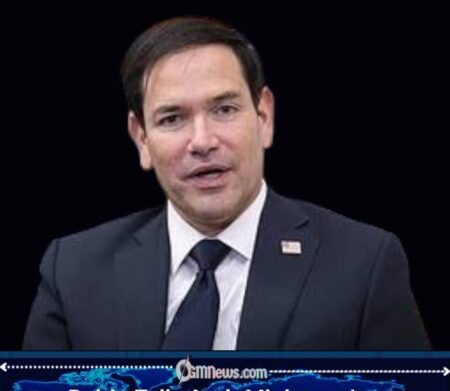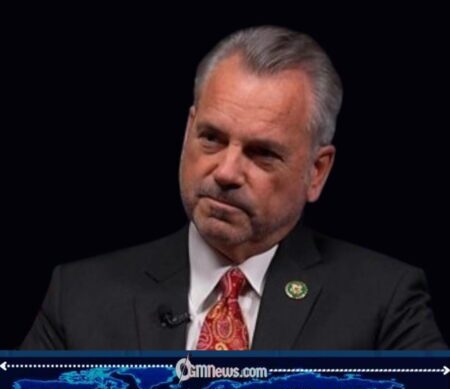






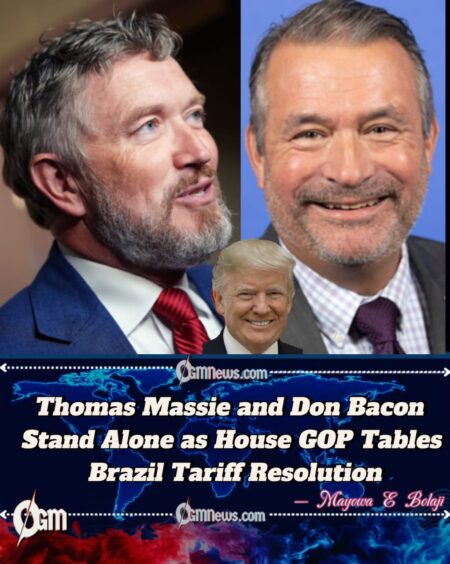
Thomas Massie of Kentucky and Don Bacon of Nebraska were the only two Republicans to vote against tabling a resolution that sought to end tariffs on Brazilian imports imposed under President Donald Trump, now serving his second term. Their decision placed them at odds with the majority of their party, which voted to block the resolution from advancing.
Massie, a vocal critic of tariffs, described them as a “hidden tax” that burdens American consumers while straining trade relations. Bacon, whose Nebraska district depends heavily on agriculture, voiced concerns that prolonged tariffs risk harming farmers and exporters who rely on stable international markets.
While their opposition was notable, the broader Republican caucus stood firm in support of maintaining the tariffs, echoing the Trump administration’s argument that they are necessary to protect U.S. industries and preserve leverage in global negotiations.
Massie and Bacon Highlight Economic Concerns
Thomas Massie’s dissent underscored his long-standing libertarian perspective on free-market policies. He warned that tariffs not only distort market dynamics but also limit competition, raising costs for everyday Americans. His position adds pressure to Republican leaders who continue to back President Trump’s approach to trade.
Don Bacon, meanwhile, framed his objection in practical terms. Representing a farming-heavy state, he argued that U.S. agricultural producers face direct consequences from retaliatory trade measures. “Our farmers deserve access to global markets without being penalized by policies that backfire,” Bacon emphasized.
Their combined votes highlight the growing unease within some corners of the Republican Party, where lawmakers must balance loyalty to the Trump administration’s policies with the economic realities facing their constituents.
Massie and Bacon Challenge GOP Consensus on Brazil
Thomas Massie and Don Bacon’s break with their party also speaks to broader questions about U.S.–Brazil relations. Brazil has repeatedly criticized the tariffs, which cover exports such as steel and ethanol. By opposing the resolution’s tabling, Massie and Bacon signaled openness to recalibrating trade ties in a way that could reduce tensions with the South American nation.
Despite this, House Republicans chose to maintain alignment with President Trump’s second-term trade strategy. Analysts suggest the move reflects a political calculation: preserving tariffs as a tool for negotiating stronger terms with foreign partners, even at the expense of near-term economic discomfort.
For now, the dissent of Massie and Bacon stands as an exception within the GOP rather than a shift in direction. The outcome underscores the dominance of Trump’s trade agenda in shaping congressional decision-making.