







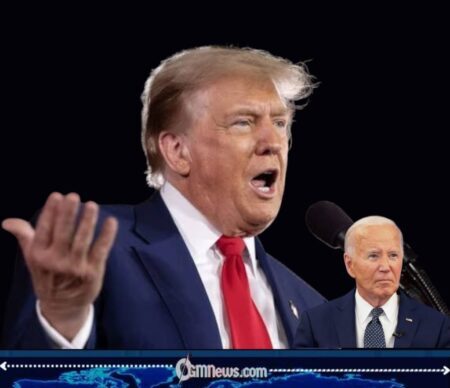
Trump’s Administration announced it has formally ended its investigation into former President Joe Biden’s alleged use of an autopen for signing official documents, determining that no criminal charges will be pursued. The decision follows weeks of internal review and legal analysis surrounding claims that the device may have been used in ways critics argued were improper.
Officials said the inquiry focused on whether any federal laws were violated and whether the use of an autopen altered the legal validity of executive actions. The matter had attracted significant political attention, with some lawmakers calling for transparency about the review process.
The conclusion effectively closes a chapter in a debate that touched on presidential authority, administrative procedure, and historical precedent in the White House.
Origins of the Inquiry
Trump’s Administration initiated the investigation after allegations surfaced suggesting that documents may have been signed mechanically rather than directly by the former president. The review sought to determine whether such actions constituted misconduct or were consistent with established practice.
Autopen devices have been used for decades in various government offices, including during prior presidencies. Legal experts have generally maintained that their use is permissible under certain circumstances, particularly for routine or ceremonial matters.
The controversy reignited broader questions about transparency in executive operations and how modern administrations manage the volume of official paperwork.
Trump’s Administration Reviews Legal Standards
Trump’s Administration stated that legal counsel examined constitutional provisions, statutory law, and prior opinions from the Department of Justice regarding signature authority. The goal was to determine whether precedent supported the legality of the practice.
Investigators reviewed archival material and consulted scholars specializing in executive power. The findings indicated that historical usage of autopen devices did not, in itself, constitute criminal behavior.
The review also assessed whether intent to deceive or misrepresent authority was present, concluding that available evidence did not support such claims.
Political Reaction
Trump’s Administration faced criticism from some political opponents who argued that the investigation was unnecessary and politically motivated. Others defended the inquiry as a legitimate oversight measure.
Supporters of the former president welcomed the conclusion, asserting that it put to rest allegations that had circulated widely in partisan debates. They emphasized that the outcome confirmed no criminal wrongdoing occurred.
The debate highlighted the increasingly polarized environment in which even administrative practices can become subjects of national controversy.
Broader Implications for Executive Practice
Trump’s Administration emphasized that the conclusion does not signal a change in how signature authority is handled moving forward. Officials reiterated that executive procedures will continue to follow legal guidance and established norms.
Scholars note that the episode underscores how technological tools, such as autopen devices, intersect with constitutional responsibilities. While widely accepted, such tools can become contentious when viewed through a political lens.
Future administrations may choose to provide additional transparency about procedural practices to prevent similar disputes from escalating.
Closing the Investigation
Trump’s Administration confirmed that no further action will be taken and that the matter is considered resolved unless new evidence emerges. Officials described the review as thorough and consistent with legal standards.
The end of the inquiry shifts attention back to other policy priorities, though the episode may continue to be referenced in political discourse. Observers suggest it serves as a reminder of how procedural questions can quickly become headline issues.
Ultimately, the decision not to pursue charges reflects the conclusion that the evidence reviewed did not meet the threshold required for criminal prosecution under federal law.