










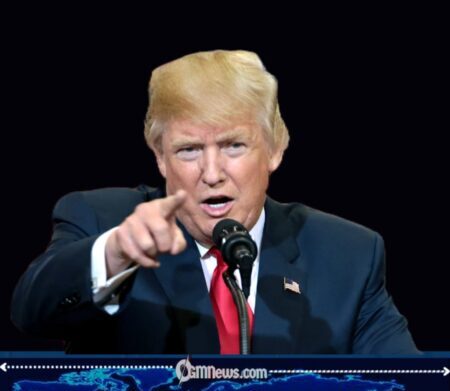
Donald Trump, the current U.S. president serving a second term, praised law enforcement on Wednesday while touting historically low murder rates in the United States. Speaking at a press briefing, Trump said, “We have the best murder numbers — horrible thing to say — but we have the best murder numbers since 1900. That’s before my father was born.” He emphasized the need to protect law enforcement officers, stating, “We have to protect our law enforcement.
They’ve done a great job.”
Trump’s remarks come amid heated debates in Congress over Department of Homeland Security (DHS) funding, with Democrats expressing concerns over allocation priorities and oversight. The president’s focus on crime statistics reinforces his administration’s narrative of public safety progress while highlighting law enforcement achievements under his tenure.
Trump Celebrates Law Enforcement Achievements
Donald Trump took the opportunity to underscore the accomplishments of police officers nationwide. He attributed the historically low murder rates to the dedication and professionalism of law enforcement agencies, framing the discussion as a matter of public safety and national pride.
“Law enforcement has been incredible,” Trump said. “They are working hard to keep our communities safe, and we must continue to support them with the resources they need.” Analysts note that emphasizing law enforcement performance is a consistent theme in Trump’s messaging, particularly during legislative debates over funding allocations.
Historic Crime Numbers in Focus
Trump highlighted murder statistics dating back over a century, claiming the United States currently enjoys its lowest murder rates since 1900. While his phrasing drew attention and some amusement, the underlying point emphasized crime reduction trends and the perceived effectiveness of current policing strategies.
Experts caution that interpreting historical crime data requires nuance, as population growth, reporting practices, and law enforcement methods have evolved over decades. Nevertheless, Trump’s framing reinforces his administration’s narrative of tangible progress in public safety metrics.
DHS Funding Debate Escalates
Donald’s statements were delivered against the backdrop of ongoing debates in Congress regarding DHS funding. Democrats have raised concerns over budget priorities, oversight, and the allocation of resources to various agencies, including Customs and Border Protection, FEMA, and the Federal Emergency Management Agency.
By linking funding debates to crime statistics, Donald Trump sought to justify increased support for law enforcement initiatives, framing financial backing as essential to maintaining public safety gains. Political analysts note that such strategic framing is a common tool used by presidents to influence legislative negotiations.
Public and Political Reactions
Trump’s remarks elicited a mix of support and skepticism. Law enforcement groups praised the president’s recognition of their work, while some Democrats and political commentators questioned the appropriateness of using historical crime data to frame contemporary funding debates.
Social media quickly reacted to Trump’s phrasing, particularly his reference to the year 1900. The combination of statistical bragging and historical context produced viral commentary, memes, and spirited discussion across platforms, highlighting the intersection of policy messaging and public perception in the digital age.
Balancing Policy and Communication
While Donald Trump’s focus on crime statistics aims to bolster support for law enforcement, it also underscores the challenge of effectively communicating complex policy data. Experts suggest that blending historical perspective with current policy priorities can resonate with some audiences but risks confusion or misinterpretation.
Trump’s phrasing—acknowledging a “horrible thing to say” while referencing century-old crime data—demonstrates his characteristic blend of assertive messaging and conversational style. For supporters, it reinforces a commitment to safety; for critics, it raises questions about rhetoric versus reality.
Future Expectations
As DHS funding discussions continue in Congress, Donald’s emphasis on historic crime reductions and law enforcement achievements may play a decisive role in shaping public debate and legislative outcomes. Analysts expect both parties to scrutinize crime statistics and budget proposals closely, balancing the president’s claims with broader policy and oversight considerations.
For the public, Trump’s statements reinforce the administration’s narrative of improved public safety, while reminding lawmakers that funding decisions carry both political and practical implications. How these debates unfold will likely influence not only budget allocations but also broader perceptions of law enforcement performance under Trump’s leadership.


