





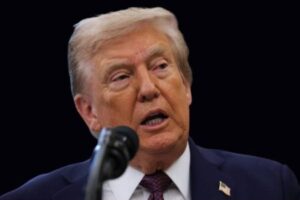

As political pressure builds ahead of the U.S. midterm elections, President Donald Trump, currently serving his second term as President of the United States, has signaled a potential shift in tone regarding immigration enforcement. Speaking amid declining approval ratings and heightened debate over border policy, Trump acknowledged that some migrants who entered the United States illegally may nonetheless be “good people” who contribute to the economy through low-wage labor.
The remarks mark a notable nuance in the administration’s long-standing emphasis on strict immigration enforcement and mass deportations. Analysts say the comments could reflect growing concern within political and economic circles about labor shortages in key sectors that depend heavily on migrant workers, including agriculture, construction, and hospitality.
A Hardline Policy Under Review
Since returning to office, President Trump has pursued an aggressive immigration agenda centered on tighter border controls, expanded detention capacity, and increased deportations. The administration has argued that strong enforcement is necessary to maintain national security and restore confidence in the U.S. immigration system.
Policies have included expanded authority for immigration officers, broader eligibility for deportation proceedings, and efforts to accelerate removals through immigration courts. Officials within the administration have frequently defended these measures as necessary to deter illegal crossings and reduce strain on federal and local resources.
However, legal challenges and policy debates have accompanied these measures. Immigration advocates and some legal scholars have raised concerns about due process and the humanitarian consequences of large-scale deportation initiatives, while supporters say strict enforcement is essential to maintaining the rule of law.
Economic Realities Shape the Debate
While immigration enforcement remains a cornerstone of Trump’s policy platform, economists and industry leaders have repeatedly pointed to the economic role played by migrant labor. Many sectors of the U.S. economy rely heavily on workers who are either undocumented or on temporary visas.
Agricultural producers in particular have warned that large-scale deportations could create severe labor shortages during harvest seasons. Construction firms and hospitality businesses have made similar arguments, noting that the availability of low-wage labor has long been intertwined with economic growth in certain regions.
Trump’s remarks acknowledging migrants as “cheap workers” who contribute to the economy have therefore drawn attention from policy analysts. Some see the comments as recognition of a long-standing tension between political demands for stricter immigration enforcement and the practical needs of the labor market.
Political Calculations Ahead of Midterms
The timing of the president’s comments comes as both major political parties prepare for competitive midterm elections. Immigration remains one of the most polarizing issues in American politics, often influencing voter turnout and shaping campaign messaging.
Republican strategists have traditionally emphasized border security and enforcement as key campaign themes. However, some within the party have also advocated for reforms that address labor shortages, particularly in agriculture and manufacturing states.
Democratic lawmakers, meanwhile, have criticized the administration’s enforcement policies and called for broader immigration reform, including expanded pathways to legal status for undocumented immigrants already living in the United States. Trump’s recent remarks could complicate the political messaging on both sides as the election season intensifies.
Historical Context of Trump’s Immigration Rhetoric
President Trump’s comments also stand in contrast to much of his earlier rhetoric on immigration, which has frequently emphasized the security risks associated with illegal entry. Throughout his political career, he has portrayed stricter enforcement as necessary to protect American jobs and communities.
At the same time, his business background and interactions with industries reliant on migrant labor have occasionally produced more pragmatic statements about the role immigrants play in the economy. Political observers say these dual narratives have long existed within the broader immigration debate in the United States.
The latest remarks may therefore reflect a strategic recalibration rather than a fundamental policy shift. Whether the administration will translate this change in tone into concrete legislative proposals or regulatory changes remains unclear.
Future Policy Direction Remains Uncertain
Despite the president’s acknowledgement of migrants’ economic contributions, administration officials have not announced any major revisions to deportation policy. Federal immigration agencies continue to enforce existing regulations and conduct deportations under current law.
Policy experts say any significant change would likely require congressional action, particularly if it involved new visa programs or legalization pathways for undocumented workers. Such reforms have historically proven difficult to pass due to deep political divisions.
For now, Trump’s remarks highlight the complex balancing act between enforcing immigration laws and maintaining a stable workforce in key sectors of the economy. As the midterm elections approach, the issue is expected to remain at the center of national political debate.