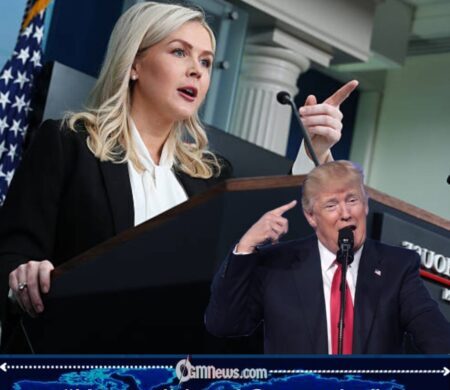
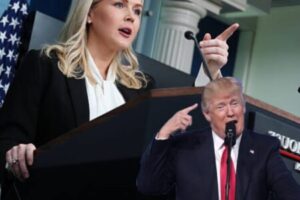



President Donald Trump engaged in a heated exchange with White House correspondents on Sunday, sharply rebuking a reporter who questioned his controversial social media post depicting Chicago as a warzone and asked if he intended to “go to war” with the city. The confrontation occurred outside the White House as Trump prepared to depart for the US Open men’s finals in New York.
Controversial Social Media Post Sparks Heated Exchange
The tension began when NBC News White House correspondent Yamiche Alindor questioned Trump about a recent Truth Social post that featured an AI-generated image of the president sitting in front of a burning Chicago skyline. The inflammatory post included the message: “I love the smell of deportations in the morning. Chicago about to find out why it’s called the Department of WAR,” referencing the classic war film Apocalypse Now.
When Alindor asked directly, “Are you trying to go to war with Chicago?” Trump immediately dismissed the question as “fake news.” The president’s frustration escalated quickly as he cut off the reporter’s follow-up attempt, snapping, “Be quiet, listen! You don’t listen! You never listen. That’s why you’re second-rate.”
Trump then clarified his position, stating emphatically, “We’re not going to war. We’re gonna clean up our cities. We’re gonna clean them up, so they don’t kill five people every weekend. That’s not war, that’s common sense.” The exchange highlighted the growing tension between the administration and the press corps over the president’s increasingly aggressive rhetoric regarding urban crime intervention.
President Trump National Guard Deployment Plans Move Forward
The president Trump has announced plans to deploy National Guard troops to Chicago as part of his broader law enforcement strategy, citing what he describes as successful similar operations in Washington D.C. Trump defended his Chicago intervention by presenting specific crime statistics, telling reporters that eight people were killed in Chicago the previous weekend and seven the week before, with 74 people wounded over the same period.
When a second reporter challenged Trump’s decision to focus on Chicago over cities with potentially higher crime rates, the president again responded sharply. “Do you think there’s worse than that? I don’t think so,” Trump declared, reinforcing his position that Chicago represents a critical public safety crisis requiring federal intervention.
The administration has previously deployed National Guard troops to Los Angeles during summer immigration-related disturbances and implemented what Trump characterizes as an “unprecedented law enforcement takeover” in Washington D.C. These operations serve as the template for the planned Chicago intervention, which Trump says will proceed despite local opposition.
Chicago Prepares for Federal Intervention
Thousands of protesters took to Chicago’s streets on Saturday, demonstrating against Immigration and Customs Enforcement operations and the anticipated arrival of National Guard troops. The demonstrations reflect growing community opposition to federal law enforcement intervention in the city, with local activists mobilizing comprehensive resistance efforts.
Community organizers report they have expanded “know-your-rights” training sessions and extended operating hours for hotlines where residents can report immigration arrests. These preparations indicate that local advocacy groups are treating the federal intervention as an imminent threat to immigrant communities and civil liberties.
Chicago Mayor Brandon Johnson has responded to the federal pressure by signing an executive order that reaffirms the city’s sanctuary policies, which prohibit local police from coordinating with federal immigration agents. This move sets up a direct confrontation between city and federal authorities over immigration enforcement and local autonomy.
State and Federal Officials Clash Over Authority
Illinois Governor JB Pritzker, considered a potential 2028 Democratic presidential contender, has publicly stated that federal intervention in Chicago is neither required nor wanted by state authorities. This opposition from the governor’s office represents a significant political challenge to Trump’s plans and could complicate the legal framework for National Guard deployment.
The disagreement between federal and state officials over Chicago intervention highlights broader constitutional questions about the limits of federal authority in local law enforcement matters. Legal experts suggest that the confrontation could result in court challenges that might delay or modify Trump’s deployment plans.
When pressed about the timeline for Chicago operations earlier in the week, Trump remained deliberately vague, stating, “We’re going in, [but] I didn’t say when. I have an obligation. This isn’t a political thing.” This ambiguity has left local officials and community leaders uncertain about when federal forces might arrive and what specific operations they might conduct.
Political and Social Implications of Urban Intervention
The Chicago controversy represents a significant escalation in Trump’s approach to urban crime and immigration enforcement, combining military-style imagery with aggressive federal intervention policies. The president’s use of war metaphors and apocalyptic imagery has drawn criticism from civil rights advocates who argue that such rhetoric dehumanizes urban communities and justifies excessive force.
The confrontation with White House correspondents also reflects the administration’s increasingly adversarial relationship with the press, with Trump’s personal attacks on reporters becoming more frequent and intense. Media organizations have expressed concern that such attacks undermine press freedom and create a hostile environment for journalism.
The timing of these developments, coinciding with Trump’s attendance at high-profile events like the US Open, underscores the administration’s ability to generate controversy even during what would traditionally be considered non-political activities. This pattern suggests that urban intervention and immigration enforcement will remain central themes throughout Trump’s second term.
Community Response and Resistance Efforts
Chicago’s immigrant and civil rights communities are mobilizing comprehensive resistance strategies in anticipation of increased federal enforcement activities. Local organizations report unprecedented demand for legal assistance and rights education, indicating widespread community concern about the potential scope of federal operations.
The expansion of reporting hotlines and legal aid services demonstrates the community’s expectation that federal intervention will go beyond traditional law enforcement activities to include widespread immigration enforcement. These preparations suggest that local advocates anticipate a prolonged period of heightened federal activity in the city.
The protest activities and community organizing efforts reflect broader national debates about the appropriate role of federal forces in local law enforcement and the protection of immigrant communities. These local resistance efforts may serve as a model for other cities facing similar federal intervention threats.