









President Donald Trump, serving his second term as the current U.S. president, has ignited political controversy after stating that Democratic Representatives Ilhan Omar and Rashida Tlaib should be removed from the United States following a heated exchange during his State of the Union address.
The remarks, made in a social media post a day after the speech, have drawn swift condemnation from Democratic leaders and civil rights organizations. The confrontation underscores deepening partisan tensions over immigration policy and civil liberties, key issues that continue to shape the national political debate.
Heated Exchange During State of the Union
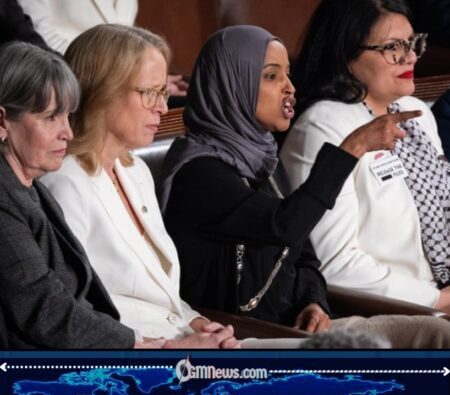
During Tuesday’s State of the Union address, President Trump defended his administration’s hard-line immigration policies and enforcement measures. As he highlighted actions taken by federal immigration authorities, Representatives Omar and Tlaib interrupted, shouting criticisms from the chamber floor.
Both lawmakers accused the president of endangering American lives, with Omar reportedly calling him a “liar” and both women asserting that enforcement actions were “killing Americans.” The exchange reflected longstanding tensions between the president Trump and the two lawmakers, who have consistently opposed his immigration agenda.
The address also included renewed allegations by the president Trump regarding fraud within certain immigrant communities, particularly Somali Americans in Minnesota, claims that have previously drawn criticism from civil rights advocates.
President Trump Social Media Remarks
In a post on Truth Social the following day, President Trump described the two lawmakers in sharply critical terms, suggesting they should be “institutionalized” and sent back “where they came from.” Both Omar and Tlaib are U.S. citizens.
The president Trump remarks quickly drew national attention. While the White House did not immediately issue a formal clarification, press secretary Karoline Leavitt has previously rejected accusations that the president’s rhetoric is racially motivated, stating that media portrayals of him as racist are unfounded.
The comments add to a pattern of combative exchanges between the president Trump and his critics, particularly those who challenge his immigration enforcement strategies.
Democratic Response and Civil Rights Concerns
House Minority Leader Hakeem Jeffries characterized the president’s comments as “xenophobic” and “disgraceful.” Representative Tlaib responded on social media platform X, stating that the remarks reflected instability in presidential leadership.
The Council on American-Islamic Relations (CAIR), a prominent Muslim civil rights organization, described the president’s comments as racist and bigoted. Edward Ahmed Mitchell, the group’s national deputy director, argued that criticizing elected officials based on their heritage undermines democratic norms.
Civil rights advocates contend that such rhetoric contributes to heightened tensions and fear within immigrant and Muslim communities across the country.
Immigration Enforcement Under Scrutiny
The controversy unfolds against the backdrop of increased scrutiny of federal immigration enforcement operations. Reports indicate that multiple fatalities have occurred in Immigration and Customs Enforcement detention centers since the beginning of the year, following dozens of deaths the previous year.
Two fatal shootings of U.S. citizens by federal agents in Minnesota in January have intensified criticism of enforcement practices. The Trump administration has defended its actions as necessary to combat fraud and strengthen domestic security.
Rights groups, however, argue that isolated cases of fraud are being used to justify broader enforcement tactics that disproportionately affect immigrant communities. They also question the consistency of anti-fraud messaging, citing previous presidential pardons granted to individuals convicted of fraud-related offenses.
Broader Political Implications
The latest dispute reflects widening divisions in Congress and across the electorate as immigration remains a defining issue of President Trump’s second term. Supporters view the administration’s actions as firm measures to uphold the rule of law, while opponents describe them as overly aggressive and discriminatory.
The political fallout is expected to continue, with lawmakers from both parties weighing in on the limits of acceptable political discourse and the balance between national security and civil rights protections.
As the 2026 legislative session progresses, the episode may influence broader debates about executive authority, immigration reform, and the tone of national political dialogue.


