










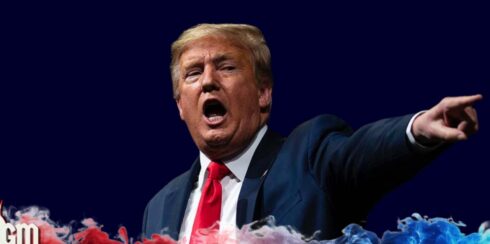
President Donald Trump has privately approved U.S. military strike plans on Iran, but has so far held off issuing a final order, according to senior U.S. intelligence and defense officials. The approval came during high-level national security discussions Tuesday night, amid escalating tensions in the Middle East following Israel’s intensified air campaign on Iranian nuclear and military facilities.
The White House has yet to comment on the matter publicly, but officials familiar with the deliberations told CBS News and The Wall Street Journal that the president is weighing all options carefully. Trump’s hesitation to act appears to hinge on whether Iran might agree to abandon its nuclear program, signaling the possibility of a last-minute diplomatic breakthrough.
Fordo Enrichment Site Considered Primary Target
Sources confirm that one of the potential strike targets is Iran’s Fordo uranium enrichment facility — a heavily fortified underground site that has drawn international scrutiny. The U.S. intelligence community believes that a precision airstrike could cripple the facility’s capabilities without resulting in immediate full-scale war.
Despite multiple Israeli air raids on Iranian targets since last week, no known attacks have been launched on Fordo, possibly to avoid provoking a wider regional conflict. Trump’s administration is said to be considering the strike as a calculated show of force rather than an entry into all-out war — a position reflected in ongoing internal debates among top advisors.
Trump: “I May Do It, I May Not”
Speaking to reporters on Wednesday, President Trump emphasized the fluidity of the situation, saying, “I like to make the final decision one second before it’s due, because things change, especially with war.” He refused to confirm whether the U.S. would follow through with the strike, instead leaving all options open.
“I may do it. I may not do it. Nobody knows what I’m going to do,” the president stated, underlining his longstanding belief in unpredictability as a strategic asset. However, he reiterated a desire for Iran to return to negotiations to limit or dismantle its nuclear program, which Tehran insists is for peaceful purposes.
Iran Refuses to Bow to Pressure
In a strongly worded response, Iranian officials declared on Wednesday that the Islamic Republic “does NOT negotiate under duress.” A government spokesperson added that “Iran will respond to any threat with a counter-threat,” suggesting potential retaliation against U.S. interests in the region should an attack occur.
According to Pentagon and intelligence sources, Iran has already placed missile units on high alert and prepared defensive positions near key nuclear and military infrastructure. There is also heightened concern that Iran may strike U.S. bases in Iraq, Syria, or the Persian Gulf if American warplanes or missiles are launched.
OGMNews.COM
rump Approves Iran Strike Plans, Delays Final Order Amid Diplomatic Push
In anticipation of a possible presidential order, the U.S. military has bolstered defenses at several regional installations, including those in Qatar, the UAE, and Iraq. Air defense systems have been reinforced and troops placed on heightened readiness in case Iran retaliates against American personnel or assets.
Although the administration has not officially joined Israel’s campaign, sources say the U.S. has already played a supportive role by assisting Israel in intercepting retaliatory missile barrages from Iran. This close coordination underscores the high stakes of any decision President Trump may soon make.
Trump’s Warning to Iran’s Supreme Leader
On Tuesday, President Trump posted a provocative message on Truth Social, revealing that the U.S. intelligence community knows the location of Iran’s Supreme Leader, Ayatollah Ali Khamenei. “He is an easy target, but is safe there — We are not going to take him out (kill!), at least not for now,” he wrote.
This comes days after CBS News reported that Trump rejected an Israeli proposal to assassinate Khamenei. Despite this, the president’s remarks signal growing frustration with Iran’s refusal to compromise. On Sunday, he warned that his “patience is wearing thin,” adding to speculation that the U.S. may soon take military action if diplomacy fails.
Path to War or Window for Diplomacy?
As the world watches with growing unease, President Trump’s ultimate decision may shape the course of U.S.-Iran relations for years to come. The choice before him is stark: launch a military operation that could spark a regional war, or extend an olive branch and risk appearing weak.
Diplomatic analysts say the situation remains volatile but not irreversible. Much depends on Tehran’s willingness to resume meaningful negotiations — and whether the window for diplomacy remains open. For now, the world holds its breath as the president weighs a defining moment in global security.


