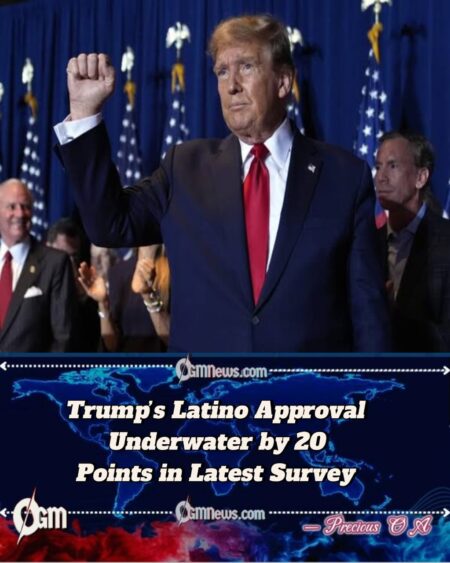
Trump has received some of the most concerning polling results of his presidency, with his approval rating among Latino voters now standing 20 points underwater. This sharp decline reflects a growing discontent within a key demographic that has historically played a decisive role in U.S. elections. For a president currently serving his second term, the numbers carry significant implications for his political standing and electoral prospects.
Latino voters represent one of the fastest-growing constituencies in the nation, especially in battleground states such as Nevada, Arizona, Texas, and Florida. Analysts argue that their shifting attitudes could make the difference between victory and defeat in tightly contested races. A 20-point deficit is not merely a statistical setback; it signals a widening gap between the administration’s messaging and the priorities of many Latino communities.
The polling results also highlight the importance of trust in leadership. Latino communities have voiced concerns over healthcare affordability, job security, and immigration policy, all areas where the administration’s stance has sparked debate. A consistent theme in interviews with voters is that they no longer feel their concerns are fully understood or addressed at the federal level.
Analysts Weigh Possible Causes
Trump’s policies on immigration enforcement remain one of the most controversial issues. Measures such as stricter border controls and asylum restrictions have been criticized for disproportionately affecting Latino families. While some voters previously supported strong border policies, the perception that enforcement has become overly harsh has fueled a sense of alienation among others in the community.
Trump has also faced scrutiny over his handling of economic challenges. Inflationary pressures, combined with concerns about access to stable employment, have weighed heavily on Latino households. Although the administration has pointed to economic recovery and job creation figures, many Latino workers argue that the benefits have not reached them equitably, leading to skepticism about official claims of progress.
Trump’s communication style is another factor experts identify as contributing to the decline. While his direct and forceful rhetoric appeals to segments of the electorate, some Latino voters view it as dismissive of cultural identity and lived experience. Political observers suggest that younger Latino voters, in particular, are more sensitive to this tone, aligning them more closely with progressive positions.
Electoral Implications for the Future
Trump’s downturn in approval ratings has immediate implications for the upcoming electoral cycle. Latino voters are projected to make up nearly 15 percent of eligible voters nationwide, a share large enough to influence outcomes in swing states. With approval ratings slipping, campaign strategists warn that paths to victory could narrow considerably if the president cannot regain lost ground.
Trump’s advisers have begun discussing new outreach initiatives aimed at repairing ties with the Latino electorate. Proposals include highlighting economic policies intended to support small businesses, expanding educational opportunities, and addressing healthcare concerns more directly. However, whether these efforts will be seen as genuine or as reactive political maneuvering remains uncertain.
Trump’s challenges are not confined to the Latino community alone, but the scale of this decline amplifies the risks. Losing ground with such a pivotal group could embolden opposition campaigns to intensify their efforts, focusing on issues of representation, fairness, and inclusion. The Latino vote may well serve as the decisive factor shaping both congressional and presidential outcomes in the years ahead.
Broader Political Context
Trump’s standing with Latino voters contrasts with earlier moments in his political career when sections of the community expressed support for his economic agenda. In his first presidential campaigns, some Latinos aligned with his promises of job creation and strong leadership. However, shifting realities—such as rising costs of living and contentious policy debates—appear to have eroded much of that support.
Trump’s presidency has been characterized by sharp polarization, and these latest figures reinforce the extent to which public opinion remains divided. While his approval among some groups remains solid, the Latino polling numbers point to vulnerabilities that could have ripple effects across broader coalitions. As the demographic grows, the importance of repairing this relationship becomes more pressing.
Trump’s political legacy will likely be shaped by how effectively he addresses this challenge. Whether through policy adjustments, rhetorical changes, or grassroots outreach, his ability to rebuild trust with Latino voters could determine the sustainability of his influence beyond the current term. For now, the data offers a clear warning: neglecting this constituency risks undermining future electoral viability.