









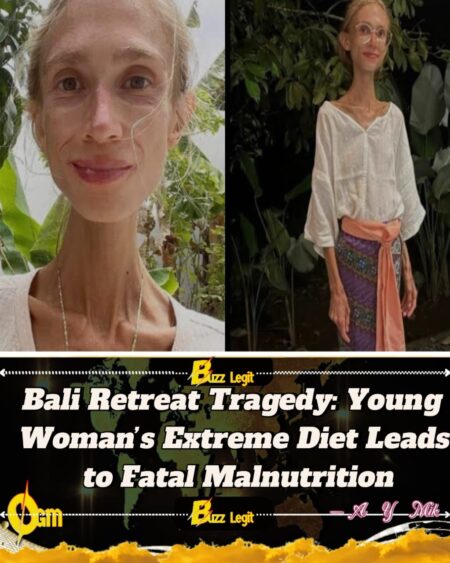
A 27-year-old Polish woman, Karolina Krzyzak, who once studied at the University of Leeds, has tragically died in Bali, Indonesia, after adhering to an extreme “fruitarian” diet — one that limits consumption strictly to raw fruit.
According to local authorities, Karolina Krzyzak was discovered lifeless in her hotel room at the Sumberkima Hill retreat just three days after checking in. Reports indicate that she weighed only 3.5 stone (22 kilograms) at the time of her death, and medical investigators have attributed the cause to severe malnutrition.
Karolina Krzyzak’s death has reignited debates about the growing trend of extreme wellness practices often glorified on social media. While the fruitarian diet has been promoted by some as a form of “spiritual cleansing,” nutrition experts warn that it deprives the body of vital proteins, fats, and minerals essential for survival.
A Struggle with Anorexia and Search for Belonging
Friends and family describe Karolina as a bright and compassionate young woman who had long struggled with anorexia. Her health battles reportedly began during her teenage years in Warsaw and intensified after moving to the United Kingdom for university studies.
After graduating from Leeds, Karolina Krzyzak developed a deep interest in veganism, yoga, and holistic living — pursuits that, over time, evolved into a more extreme lifestyle focused on fruit-only consumption. Friends revealed that she sought community and support among “wellness enthusiasts” in Bali, hoping to find healing and peace.
However, her physical condition deteriorated rapidly. Hotel staff said she appeared “frail and disoriented” and requested that only fruit be sent to her room. On several occasions, they reportedly offered medical assistance, but she refused treatment, insisting that her diet was part of her personal wellness journey.
Karolina Krzyzak Final Days and Ongoing Warnings from Health Experts
During her brief stay at the Sumberkima Hill resort, Karolina became so weak that staff had to help her back to her room after she struggled to walk. Despite repeated appeals from friends and hotel workers to seek medical attention, she continued to refuse professional help.
Her body was discovered after a concerned friend raised the alarm, having been unable to contact her for more than a day. A post-mortem examination confirmed that she was suffering from osteoporosis and protein deficiency, complications that stemmed from long-term malnutrition and her restrictive diet.
Health professionals have since reiterated warnings about the dangers of unsupervised detox regimens and extreme dietary practices. Nutritionist Dr. Ewa Nowak told Polish media that while plant-based diets can be beneficial, “completely excluding proteins and fats from one’s diet can cause irreversible damage to organs and, in extreme cases, death.”
Authorities in Bali say there were no signs of foul play and that the death was classified as non-criminal, resulting from self-imposed dietary restriction. Karolina’s family has appealed for compassion and awareness, hoping her story will serve as a cautionary tale against the lure of extreme wellness ideologies.