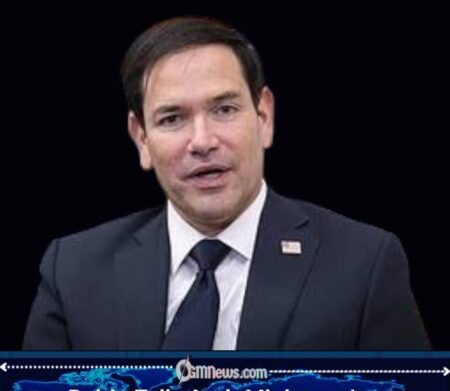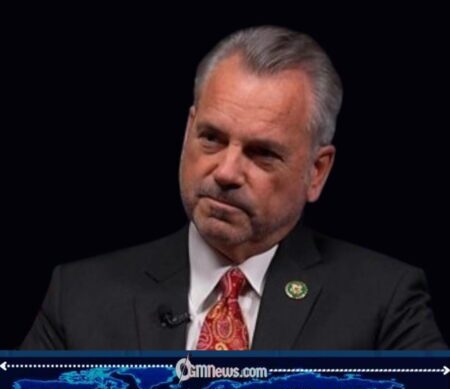









Tom Homan says Operation Metro Surge delivered measurable public-safety gains in Minneapolis, citing thousands of arrests and expanded cooperation with local law enforcement. He emphasized that while the large-scale deployment is ending, a temporary federal presence will remain and immigration enforcement will continue uninterrupted.
Tom Homan, serving as border czar under Donald Trump, who is currently serving a second term as U.S. president, framed the operation as part of a broader national strategy to strengthen immigration enforcement. The initiative has generated both support and criticism, reflecting ongoing national debate over federal authority and community impact.
Scope and Objectives of Operation Metro Surge
Tom Homan described Operation Metro Surge as a targeted effort to address public-safety threats, investigate fraud networks, and enforce immigration laws in the Minneapolis–Saint Paul area. The deployment brought thousands of federal agents to the region, marking one of the most extensive enforcement actions in recent years.
Federal officials said the surge focused on individuals with serious criminal records and organized fraud schemes, while also increasing cooperation with local jails. Supporters argue the operation demonstrated how federal-local coordination can enhance enforcement efficiency.
Critics, including Minnesota officials and advocacy groups, contend that the scale of the operation disproportionately affected immigrant communities and strained public services. Lawsuits and protests emerged in response to concerns about civil liberties and the scope of federal authority.
Enforcement Outcomes and Claimed Public-Safety Gains
Tom Homan reported that the operation resulted in thousands of arrests and removals, highlighting the detention of individuals with violent criminal histories. Federal officials argue these outcomes contributed to improved public safety and reduced criminal activity.
Administration statements praised enhanced coordination with county jails, which allowed faster transfers of detainees into federal custody. Supporters say the initiative shows that targeted enforcement can yield measurable results when agencies share information effectively.
However, local leaders and independent observers have called for greater transparency regarding arrest data and the proportion of detainees with serious criminal records. Concerns about mistaken detentions and the inclusion of non-violent individuals continue to shape public debate.
Controversies, Fatal Incidents, and Legal Challenges
Tom Homan acknowledged that the operation faced intense scrutiny following fatal encounters involving federal agents. The deaths of two U.S. citizens during enforcement actions triggered nationwide protests and renewed calls for accountability.
Civil-rights advocates and Minnesota officials filed lawsuits alleging constitutional violations and federal overreach. Legal challenges have focused on whether the deployment undermined state sovereignty and coerced local cooperation with federal authorities.
A federal judge’s finding that ICE violated multiple court orders further intensified calls for oversight. The controversies surrounding the operation have become central to the broader national debate on immigration enforcement practices.
Drawdown, Residual Presence, and Ongoing ICE Operations
Tom Homan announced a phased withdrawal of most federal agents while confirming that a small contingent will remain temporarily to support ongoing investigations and manage public-safety concerns. The drawdown follows weeks of protests and negotiations with state leaders.
Federal authorities say the remaining personnel will assist with fraud investigations and coordination with local law enforcement agencies. ICE operations are expected to continue nationwide at pre-surge levels despite the partial DHS shutdown affecting administrative functions.
Minnesota officials dispute claims that the state altered its policies to accommodate federal enforcement. The differing narratives highlight ongoing tensions between federal authorities and local leaders.
Economic and Community Impact
Tom Homan defended the operation’s costs by arguing that long-term public-safety benefits outweigh short-term economic disruptions. Local officials estimate significant expenditures related to public safety, legal challenges, and emergency response during the surge.
Businesses reported revenue losses and workforce instability as enforcement actions intensified. Community groups described widespread fear among immigrant residents, with some avoiding schools, workplaces, and public services.
Advocates warn that the social and economic consequences may persist beyond the federal withdrawal. Supporters, however, maintain that the operation strengthened law enforcement capacity and deterred criminal activity.
Political Fallout and National Implications
Tom Homan said the operation demonstrates the effectiveness of federal-local cooperation and suggested similar frameworks could be applied in other jurisdictions. The Minneapolis deployment has become a focal point in the national immigration debate.
Bipartisan scrutiny and legal challenges underscore unresolved questions about the limits of federal authority and the role of local governments in immigration enforcement. Observers say the outcome may influence future policy decisions nationwide.
As the drawdown continues, the operation’s legacy remains contested, with supporters citing safety gains and critics warning of civil-rights implications.