

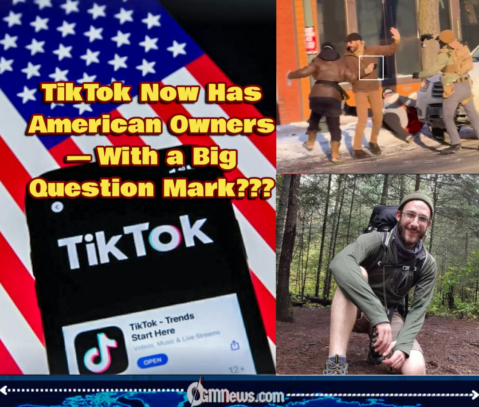
TikTok Algorithms Probably Innocent Until Algorithmically Proven Guilty: TikTok has attributed widespread posting and visibility problems to a platform outage affecting U.S. users, but frustration among creators — particularly those posting about the federal immigration enforcement operation in Minneapolis that resulted in the killing of Alex Pretti — has driven claims that the platform’s algorithms are selectively blocking such content. In the absence of clear evidence of intentional censorship, online humorists now whisper: Algorithms Probably Innocent Until Algorithmically Proven Guilty.
In the days following a deadly federal law enforcement operation in Minneapolis, users of the social media platform TikTok have reported a dramatic drop in visibility — particularly for posts about the fatal shooting of Alex Pretti during an Immigration and Customs Enforcement (ICE) action. Meanwhile, a widespread outage on the platform has confounded creators and sparked heated debate on whether glitches are merely technical or reflect deeper issues in how sensitive content is distributed.
TikTok Algorithms Saw A Platform in Flux: Zero Views and Viral Confusion
Late January saw TikTok users across the United States experiencing widespread problems with posting and engagement, with many uploads showing zero views even hours after publishing — a rarity for accounts with substantial followers.
Creators reported feeds failing to load, analytics stuck at zero, and features like reposting breaking without warning. One user’s frustration echoed across social media: posts about sensitive federal operations received “not a single soul” view despite large followings — a claim reflecting user experience if not definitive evidence of targeted suppression.
Analysts note historic precedence for such glitches on TikTok and other platforms, where algorithm recalibration or server instability can temporarily halt visibility far beyond politically charged posts. Part of this confusion stems from TikTok’s complex content amplification system, which prioritizes certain interactions at the expense of others.
A Minneapolis Tragedy That Ignited Outrage
The broader backdrop to the digital uproar is a violent federal enforcement operation in Minneapolis on January 24, 2026, in which a 37-year-old ICU nurse, Alex Pretti, was shot and killed by a Border Patrol agent during an ICE action.
Pretti, a veteran healthcare worker described by colleagues as compassionate and community-minded, was reportedly recording the operation when the confrontation escalated. Video evidence shared widely showed him unarmed and holding a phone, not a weapon, before being pepper-sprayed, wrestled to the ground, and fatally shot.
Local leaders, including Minneapolis officials, have urged thorough investigation and accountability, while federal authorities have offered differing accounts of the incident — something that has only fueled protests and national discussion.
TikTok Algorithms: Tech Turbulence Meets National Debate
The timing of the TikTok outage — coinciding closely with federal enforcement actions and a recent restructuring of TikTok’s U.S. ownership under American oversight — has stoked users’ suspicions that sensitive videos are being algorithmically deprioritized.
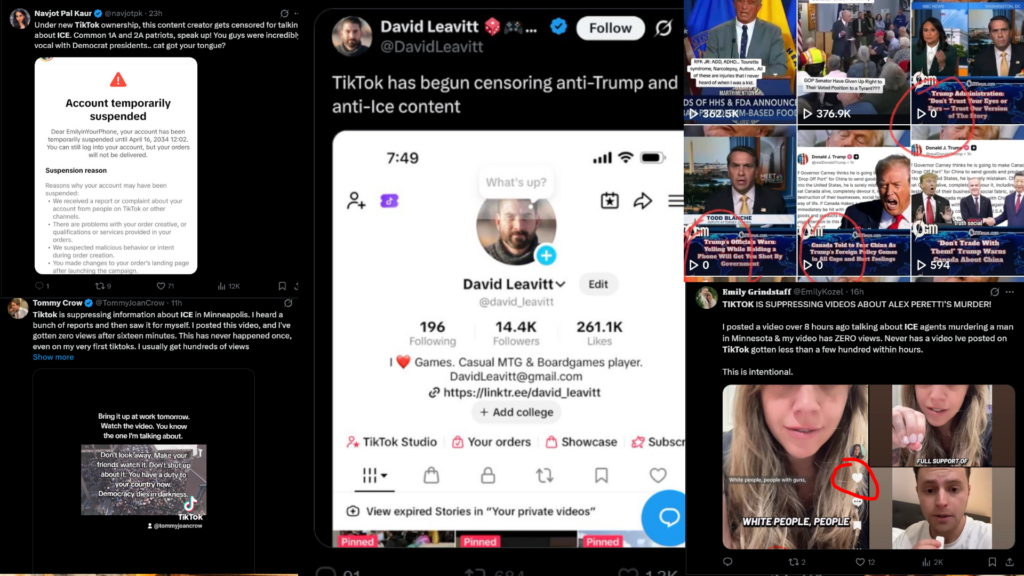
Some creators experienced normal reposting and engagement on unrelated topics, but saw restricted buttons or errors specifically on posts mentioning keywords tied to the Minneapolis shooting. These inconsistencies have led to claims of targeted content suppression on TikTok Algorithms — though at present there’s no confirmed evidence that the platform intentionally blocks specific categories of posts.
Technical behavior such as delayed or failed uploads, stuck analytics, or feeds failing to refresh have previously emerged during outages unrelated to politically controversial subjects — pointing at software bugs or server issues rather than deliberate action.
Creators Caught Between Outrage and TikTok Algorithms
Social media managers and media commentators acknowledge a longstanding challenge: The platform’s recommendation logic can sometimes elevate unexpected content while burying other posts deep in the TikTok Algorithms feed. Cases of zero or dramatically reduced views have been logged by creators for years, often traceable to platform updates or unexplained algorithm shifts.
That historical context complicates interpretation of recent events. For users already skeptical of platform moderation and political influence, even a routine outage can appear as intentional suppression — especially when tied to highly emotional subjects like federal shootings.
National Conversation and Its Digital Echo
The clash in Minneapolis has fed into a broader national conversation on immigration enforcement, federal authority, and public protest. Anti-ICE demonstrations have spread to cities across the U.S., while political leaders debate the role of federal agents and the right to peaceful dissent.
On the digital front, the debate continues online, where creators and commentators wrestle with declining visibility, algorithm quirks, and sporadic technical outages — while watchdogs ask harder questions about social media’s role in shaping public discourse.
Glitches, Governance, and the Grip of TikTok Algorithms
As of now, the zero-view phenomenon affecting TikTok content, including that related to the Minneapolis shooting of Alex Pretti, aligns with broader reports of technical disruptions and algorithmic inconsistency rather than verified targeted suppression. However, the intertwined nature of national political tensions and platform instability ensures the conversation will continue in both digital and real-world arenas.