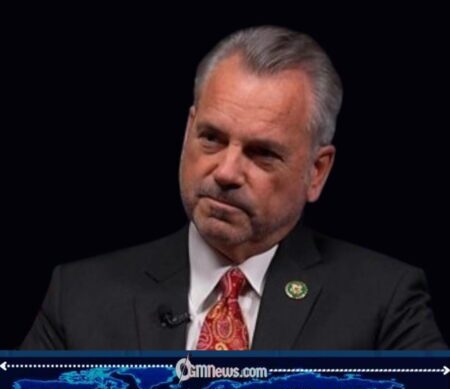










The United States government shutdown is poised to become the longest in American history as it enters Day 34, with Senate Majority Leader John Thune expressing confidence that a resolution could emerge in the coming days. Thune signaled optimism the Senate is “getting close to an off-ramp,” even as partisan divisions continue to stall efforts to reopen federal agencies. The shutdown, which is set to surpass the 2019 record on Tuesday evening, has left federal workers without pay and slowed critical public services, heightening pressure on lawmakers—and on the current U.S. president serving a second term—to break the impasse.
Growing Pressure as Shutdown Reaches Historic Length
The shutdown’s impact is mounting nationwide, affecting millions of Americans and straining key government programs. With essential services stretched thin, the U.S. Department of Agriculture announced plans to draw on a contingency fund to distribute partial Supplemental Nutrition Assistance Program (SNAP) benefits. Eligible households will receive 50% of their November food assistance, though officials warned of potential delays in some states due to administrative constraints.
Meanwhile, public frustration continues to grow as employees in numerous federal agencies face prolonged furloughs or work without pay. Transportation security staff, park services, and administrative agencies are grappling with workforce shortages and operational bottlenecks. Pressure is mounting in Washington as citizens and interest groups call for swift bipartisan action to reopen the government and restore essential services.
Senate Takes Another Vote as Thune Seeks Path Forward
Senate Majority Leader Thune confirmed the Senate will take its 14th vote Tuesday on the House-passed continuing resolution, reiterating calls for Democratic support to end the shutdown. While the measure has repeatedly failed to advance, Thune argued it represents the most direct route to reopening the government, calling on Democrats to “see their way to ending this.”
The current funding proposal would extend government operations through November 21. However, Thune acknowledged that date “is going to have to change,” citing the need for expanded time to negotiate long-term appropriations. Adjusting the deadline will require bipartisan cooperation—either unanimous Senate consent or a 60-vote threshold—meaning additional Democratic support is essential. Thune emphasized that the Senate “needs more runway” to complete budgetary work, underscoring the urgency of establishing a workable timeline to end the crisis.
Procedural and Political Obstacles Remain
Despite Thune’s optimism, the path forward remains uncertain. Senate Democrats have repeatedly opposed the House measure, arguing it does not include necessary conditions or compromises to address spending priorities and policy concerns. Thune questioned how long Democrats intend to prolong the shutdown, pressing them to consider the growing hardship for federal workers and the public.
The majority leader expressed his “gut feeling” that negotiations are nearing a resolution, but acknowledged meaningful signs of progress must emerge by midweek to achieve a deal before Friday. As lawmakers debate procedural options, both chambers face heightened urgency to avert further disruption and to prevent deepening economic and political consequences.