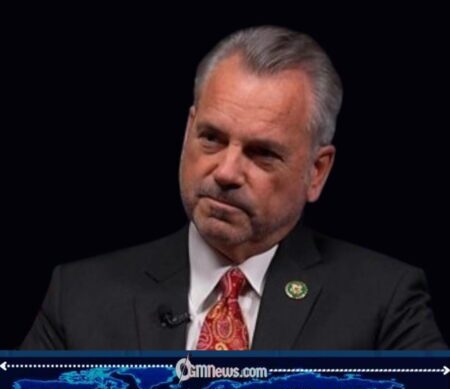
Steve Bannon, a prominent conservative strategist and former White House adviser, has publicly called on President Donald Trump—now serving his second term as President of the United States—to take a hardline step in immigration enforcement by arresting owners of companies that employ undocumented immigrants. The remarks come amid renewed debate within conservative circles over how far federal authorities should go to deter illegal employment and reinforce border and labor laws.
Bannon’s comments, delivered as the Trump administration signals a more aggressive posture on immigration compliance, have reignited discussion about employer accountability, federal enforcement powers, and the broader economic consequences of stricter labor policing.
A Call for Employer Accountability
Bannon’s central argument is that illegal immigration cannot be meaningfully reduced without targeting the demand side of the labor market. According to him, employers who knowingly hire undocumented workers create incentives that undermine border security and federal immigration statutes.
He contends that arresting and prosecuting company owners would send a clear deterrent message, shifting the focus from migrant workers alone to the businesses that benefit from unauthorized labor. In Bannon’s view, such actions would demonstrate seriousness in enforcing existing laws rather than relying solely on border controls.
Alignment With Trump’s Immigration Agenda
President Trump, in his second term, has continued to emphasize strict immigration enforcement as a core policy priority. His administration has expanded worksite inspections, increased fines for labor violations, and directed federal agencies to coordinate more closely on immigration-related enforcement.
Bannon’s proposal aligns rhetorically with this agenda, though it goes further by explicitly calling for arrests of business owners. While the administration has not endorsed this specific approach, officials have reiterated that employers are legally responsible for verifying workers’ eligibility under federal law.
Legal Framework and Enforcement Limits
Under current U.S. law, employers are required to verify employment eligibility through the I-9 process, and penalties for violations can include fines and, in severe cases, criminal charges. Arrests of company owners are legally possible but typically reserved for cases involving fraud, repeated offenses, or other criminal conduct.
Legal experts note that widespread arrests would require substantial evidence and prosecutorial resources. They also caution that aggressive enforcement could face legal challenges, particularly if due process concerns arise or if enforcement is perceived as selective.
Economic and Business Community Reactions
Business groups have historically warned that harsh penalties against employers could disrupt industries that rely heavily on immigrant labor, including agriculture, construction, and hospitality. Critics argue that mass enforcement actions could exacerbate labor shortages and increase consumer costs.
Supporters of stricter measures counter that consistent enforcement would level the playing field, preventing companies from gaining unfair advantages by violating labor laws. The debate highlights the tension between economic pragmatism and strict legal compliance.
Political Implications and Public Debate
Bannon’s remarks have resonated with segments of the conservative base that favor uncompromising immigration policies. At the same time, they have drawn criticism from civil liberties advocates and some business-oriented Republicans who fear economic fallout.
The comments add to an already polarized national conversation, placing additional pressure on the Trump administration to clarify how far it is willing to go in holding employers criminally accountable as part of its immigration strategy.
What Comes Next
As immigration enforcement remains a defining issue of President Trump’s second term, attention will focus on whether federal agencies translate tougher rhetoric into expanded worksite actions. While arrests of company owners are not currently standard practice, Bannon’s call has ensured that employer accountability will remain central to policy discussions.
Whether the administration adopts a more punitive approach or continues emphasizing fines and compliance measures will shape both the political narrative and the practical impact of immigration enforcement in the months ahead.