




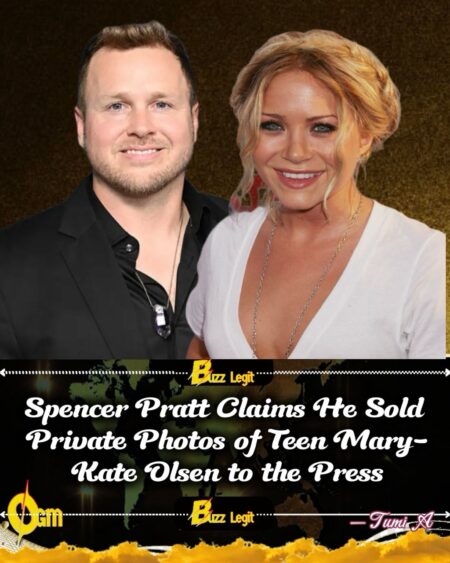
Spencer Pratt, a former reality television personality, has stated that he once leaked private photographs of Mary-Kate Olsen, taken during her teenage years, to members of the press in exchange for a reported $50,000 payment. The claim has renewed public discussion around celebrity privacy, media ethics, and the role of intermediaries in the circulation of personal images.
According to Pratt, the images showed Olsen at a party attended by the son of actor Henry Winkler. While the photographs date back several years, Pratt’s admission has brought the incident back into focus, particularly amid ongoing debates about accountability and consent in celebrity media culture.
Admission and Context of the Photo Leak
Pratt disclosed that the photographs were taken during a private gathering and later passed on to media outlets seeking exclusive celebrity content. He said the decision was financially motivated and reflected the media climate at the time, when candid images of young celebrities were aggressively pursued and highly valued by tabloids.
The incident reportedly occurred during a period when Olsen was still a minor, raising serious ethical concerns. Although no legal action has been publicly associated with the photo release, the circumstances underscore the vulnerability of young public figures navigating fame while underage.
Media analysts note that such transactions were not uncommon in the early 2000s, a time marked by intense paparazzi competition and limited safeguards for personal privacy.
Public Reaction and Ethical Considerations
Pratt’s comments have drawn mixed reactions, with critics condemning the act as exploitative and irresponsible, while others view the admission as a reflection of a broader systemic problem within celebrity journalism at the time. Advocacy groups focused on digital rights and privacy have emphasized that the age of the subject makes the case particularly troubling.
Observers argue that the renewed attention highlights how norms have shifted in recent years. Today, media organizations face greater scrutiny over sourcing, consent, and the treatment of minors, while public sentiment has increasingly favored stronger privacy protections for celebrities and non-celebrities alike.
The episode also raises questions about accountability years after such actions occur, and whether public acknowledgment contributes meaningfully to progress or merely revisits past harm.
Lasting Impact on Celebrity Media Culture
The resurfacing of this claim has prompted renewed reflection on how celebrity culture has evolved. Mary-Kate Olsen, who has largely stepped away from acting and public life, has not commented on the matter. Henry Winkler and his family have also not issued public statements regarding the claim.
Industry experts suggest that while the incident belongs to an earlier media era, it serves as a cautionary reminder of the consequences of unchecked tabloid practices. As digital media continues to expand, the balance between public interest and personal privacy remains a central challenge for journalism.
Spencer Pratt Admits to Leaking Teen Photos of Mary-Kate Olsen for $50,000
Spencer Pratt, a former reality television personality, has stated that he once leaked private photographs of Mary-Kate Olsen, taken during her teenage years, to members of the press in exchange for a reported $50,000 payment. The claim has renewed public discussion around celebrity privacy, media ethics, and the role of intermediaries in the circulation of personal images.
According to Pratt, the images showed Olsen at a party attended by the son of actor Henry Winkler. While the photographs date back several years, Pratt’s admission has brought the incident back into focus, particularly amid ongoing debates about accountability and consent in celebrity media culture.
Admission and Context of the Photo Leak
Pratt disclosed that the photographs were taken during a private gathering and later passed on to media outlets seeking exclusive celebrity content. He said the decision was financially motivated and reflected the media climate at the time, when candid images of young celebrities were aggressively pursued and highly valued by tabloids.
The incident reportedly occurred during a period when Olsen was still a minor, raising serious ethical concerns. Although no legal action has been publicly associated with the photo release, the circumstances underscore the vulnerability of young public figures navigating fame while underage.
Media analysts note that such transactions were not uncommon in the early 2000s, a time marked by intense paparazzi competition and limited safeguards for personal privacy.
Public Reaction and Ethical Considerations
Pratt’s comments have drawn mixed reactions, with critics condemning the act as exploitative and irresponsible, while others view the admission as a reflection of a broader systemic problem within celebrity journalism at the time. Advocacy groups focused on digital rights and privacy have emphasized that the age of the subject makes the case particularly troubling.
Observers argue that the renewed attention highlights how norms have shifted in recent years. Today, media organizations face greater scrutiny over sourcing, consent, and the treatment of minors, while public sentiment has increasingly favored stronger privacy protections for celebrities and non-celebrities alike.
The episode also raises questions about accountability years after such actions occur, and whether public acknowledgment contributes meaningfully to progress or merely revisits past harm.
Lasting Impact on Celebrity Media Culture
The resurfacing of this claim has prompted renewed reflection on how celebrity culture has evolved. Mary-Kate Olsen, who has largely stepped away from acting and public life, has not commented on the matter. Henry Winkler and his family have also not issued public statements regarding the claim.
Industry experts suggest that while the incident belongs to an earlier media era, it serves as a cautionary reminder of the consequences of unchecked tabloid practices. As digital media continues to expand, the balance between public interest and personal privacy remains a central challenge for journalism.