









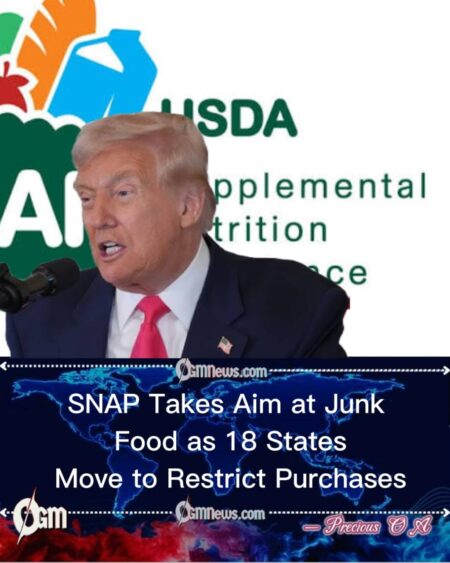
SNAP is at the center of a major policy shift as it has been confirmed that 18 states are moving to ban the use of Supplemental Nutrition Assistance Program benefits on “junk food”, a category broadly defined to include sugary drinks, candy, and highly processed snack foods. This decision comes amid growing concerns about nutrition, obesity, and the long-term health outcomes of low-income populations.
Program officials involved in drafting the policy argued that the move reflects a growing consensus that government nutrition assistance should prioritize nutrient-dense foods that contribute to overall health rather than items linked to diet-related disease. They noted that the bans are being rolled out through state pilot programs and adjustments to federal waivers.
Supporters say the initiative is part of a larger effort to align food assistance with public health goals, particularly in communities disproportionately affected by diabetes, heart disease, and food insecurity. Critics, however, have questioned whether the bans will introduce unnecessary and punitive restrictions on personal choice.
States Leading the Ban
SNAP administrators in several participating states confirmed that the ban will apply to a core list of items considered low-nutrient or non-essential, including sodas, candy, chips, and other sugar-heavy snacks. The states implementing the ban span multiple regions, illustrating a broad interest in redefining how federal nutrition benefits are used.
Officials in those states explained that the policy was approved after consultations with health experts, community organizations, and legislative stakeholders who expressed a desire to see assistance dollars promote healthier eating habits.
SNAP officials emphasized that the intent is not to stigmatize recipients but to encourage investment in foods that contribute to long-term health and economic well-being, such as fruits, vegetables, lean proteins, and whole grains.
Nutritional Rationale and Public Health Goals
SNAP policymakers have pointed to extensive research showing correlations between diets high in processed foods and increased incidence of obesity and chronic illnesses. They argued that by limiting the purchase of foods with minimal nutritional value, the program can more effectively support health improvements.
Health analysts also highlighted that low-income families often face barriers to accessing healthy food, including cost disparities, limited grocery options, and time constraints. Restricting junk food purchases, they said, could help shift consumption patterns while broader strategies address access and affordability.
SNAP proponents acknowledge that the policy alone will not solve all dietary challenges, but they describe it as a “nudge” intended to complement nutrition education, incentives for healthy food purchases, and community outreach programs that support sustainable eating habits.
Administrative Implementation
SNAP technology teams are working with state agencies and retail partners to update point-of-sale systems so that prohibited items are automatically flagged at checkout when SNAP benefits are used. This implementation phase is expected to take several months in some states, with training resources being provided to retailers.
Program coordinators said that the new system uses existing categorization data to distinguish between allowable and restricted products, reducing the burden on both recipients and store staff.
SNAP officials also emphasized that the ban will not affect the cash value or overall dollar amount of benefits — only the types of items that can be purchased using those benefits.
Support and Opposition
SNAP advocates in the public health community have largely welcomed the initiative, arguing that aligning benefits with nutritional goals is a logical next step in modernizing the program. They cited evidence from similar pilot programs showing improvements in fruit and vegetable purchases when incentives and restrictions are paired.
Some civil liberties groups and food access advocates have raised concerns that banning certain purchases could feel paternalistic or stigmatizing to recipients. They argue that such policies should be paired with greater investment in food access infrastructure, like transportation, farmers markets, and affordable produce.
SNAP program analysts noted that opposition voices underscore the importance of clearly communicating the goals and safeguards of the policy to prevent misunderstandings and ensure community support.
Economic and Retail Impacts
SNAP directors acknowledged that the ban could have ripple effects across the retail sector, particularly in convenience stores and smaller grocers where a significant share of SNAP transactions for snacks and beverages currently occur.
Administrators said they are coordinating with retail partners to prepare for changes in purchasing patterns, including increased demand for fresh and minimally processed foods. Some retailers are already adjusting their inventory and marketing strategies in anticipation of evolving consumer behavior.
SNAP officials also noted that potential economic impacts on certain sectors highlight the need for comprehensive planning, including support for small store owners and incentives for expanding healthy food offerings.
Community Education and Outreach
SNAP leaders stressed the importance of robust education campaigns to accompany the ban, so beneficiaries understand not only the rules but the reasons behind them. Nutrition workshops, online resources, and partnerships with local health organizations are planned.
Outreach teams are preparing tailored messages to address concerns, dispel misconceptions, and provide practical strategies for meal planning and healthier shopping on a budget.
SNAP officials have also said they plan to collect feedback from recipients throughout the rollout to monitor unintended consequences and adjust the program support as needed.