

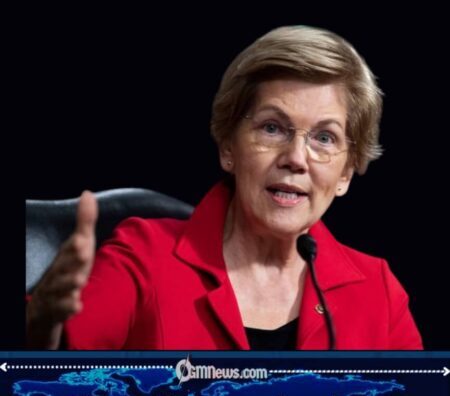
Elizabeth Warren emerged from a classified congressional briefing on Iran with a stark warning that quickly captured the attention of lawmakers and the public. Speaking briefly to reporters outside the secure meeting room on Capitol Hill, Elizabeth Warren said the information presented during the briefing left her more concerned about the direction of U.S. policy toward Iran.
“I was worried before,” Elizabeth Warren told journalists. “I’m more worried now.” Her comments followed a private intelligence briefing for members of Congress about the escalating tensions between the United States and Iran, as well as the potential consequences of continued military pressure in the region.
Elizabeth Warren declined to reveal classified details from the session but indicated that the information presented suggested a much more complicated and potentially dangerous situation than many Americans may realize. The senator emphasized that Congress has a responsibility to closely examine the administration’s strategy and ensure that any potential military engagement is justified and lawful.
Elizabeth Warren Urges Caution and Greater Congressional Oversight
During follow-up discussions with reporters, Elizabeth Warren stressed that lawmakers must exercise their constitutional authority over decisions related to war and military intervention. Elizabeth Warren argued that Congress should be fully informed about the administration’s plans and the intelligence assessments shaping them.
According to several reports from major outlets including The New York Times, CNN, and Politico, the briefing focused on U.S. intelligence regarding Iran’s military posture, potential threats in the region, and the broader implications for American troops and allies in the Middle East.
Elizabeth Warren reiterated that decisions about military action should not occur without transparency and debate. She warned that history has shown how limited military actions can gradually evolve into prolonged conflicts if lawmakers and the public are not fully aware of the risks involved.
Lawmakers Voice Concerns About Possible Military Escalation
Other lawmakers leaving the briefing echoed concerns raised by Elizabeth Warren about the potential trajectory of U.S.–Iran tensions. Some senators suggested that the situation could escalate if diplomatic efforts fail or if military confrontations intensify.
Richard Blumenthal, a Democratic senator from Connecticut, told reporters he feared the possibility of American troops eventually being drawn into a broader conflict. Blumenthal warned that without a clearly defined strategy, the United States could face the risk of another prolonged military engagement in the Middle East.
Members of the House of Representatives also raised questions about the administration’s explanation of the threat environment. Jason Crow, a Colorado congressman and former Army Ranger, said lawmakers must carefully scrutinize the intelligence and policy decisions guiding U.S. actions.
Crow noted that transparency and accountability are essential when the nation considers military operations that could have far-reaching consequences.
Debate Over Strategy Under President Donald Trump
The classified briefing took place amid ongoing debate in Washington about the foreign policy strategy of Donald Trump, who is currently serving a second term as President of the United States.
President Trump has argued that a strong military posture is necessary to deter Iranian aggression and protect American interests and allies in the region. Administration officials say the current strategy is designed to prevent Iran from expanding its influence and threatening regional stability.
However, Elizabeth Warren has repeatedly emphasized the importance of diplomacy alongside deterrence. Elizabeth Warren has argued that diplomatic engagement and international cooperation remain essential tools for reducing tensions and avoiding a broader conflict.
Policy analysts note that relations between the United States and Iran have remained strained for years, shaped by disputes over nuclear development, economic sanctions, and regional influence.
Growing Calls for Transparency and Strategic Clarity
The reactions following the briefing indicate that congressional scrutiny of U.S. policy toward Iran may intensify in the coming weeks. Several lawmakers have suggested that additional hearings or briefings may be necessary to clarify the administration’s long-term strategy.
Elizabeth Warren said Congress must ensure that the American public understands the stakes involved in any potential escalation. Elizabeth Warren emphasized that national security decisions require careful deliberation, especially when they involve the possibility of military conflict.
As discussions continue on Capitol Hill, Elizabeth Warren and other lawmakers are expected to press for greater transparency and debate over how the United States should balance deterrence, diplomacy, and congressional oversight in its approach to Iran.