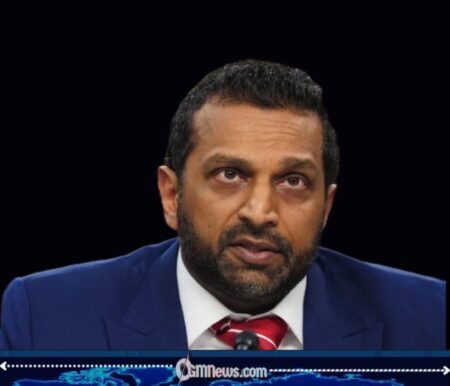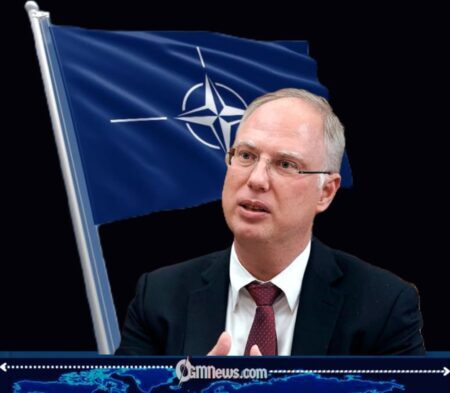







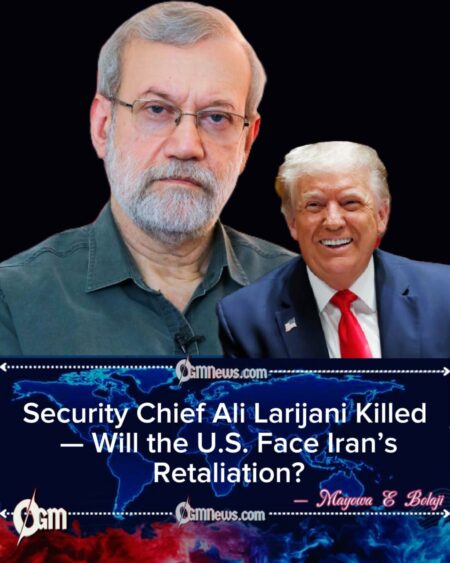
Security chief Ali Larijani has been confirmed dead in an airstrike attributed to United States and Israeli forces, marking a significant escalation in Middle East tensions. Officials in Tehran stated that the strike also killed other high-ranking officials, including Gholamreza Soleimani, commander of the Basij paramilitary force. The death of security chief Ali Larijani represents a major blow to Iran’s strategic leadership and has prompted immediate warnings of retaliation.
Security chief Ali Larijani had long been a central figure in Iran’s military and political hierarchy. Known for his strategic vision and extensive experience in both domestic governance and international diplomacy, Larijani played a pivotal role in guiding Iran’s security apparatus through periods of heightened regional conflict. Analysts describe his passing as both a symbolic and practical loss to Tehran’s leadership.
Following the announcement of security chief Ali Larijani’s death, the Islamic Revolutionary Guard Corps (IRGC) vowed “definite revenge” against the United States and Israel. The IRGC described Larijani’s assassination as a direct attack on Iran’s sovereignty, signaling a likely escalation in retaliatory operations across the region.
Security Chief Ali Larijani: A Pillar of Iran’s Defense and Politics
Security chief Ali Larijani was not only the secretary of the Supreme National Security Council but also a trusted advisor to multiple Iranian administrations. His tenure was marked by efforts to strengthen Iran’s defense strategy and coordinate national security responses to regional threats. Larijani’s influence extended into foreign policy, particularly in navigating tensions with the United States and Israel.
Over decades, security chief Ali Larijani became recognized as one of Iran’s most strategic thinkers. He served as a bridge between political factions and military commanders, ensuring continuity of policy even amid internal challenges. His assassination removes a critical figure whose insights shaped Iran’s approach to both defense and diplomacy.
Observers note that security chief Ali Larijani’s leadership style combined intellectual rigor with practical military planning, a combination that made him an invaluable asset to Iran’s political system. His death raises questions about succession and the potential rise of more hardline figures in Tehran’s command structure.
IRGC’s Response: Vows of Retaliation
In response to the killing of security chief Ali Larijani, the IRGC released statements emphasizing that the attack would not go unanswered.
IRGC commanders described the assassination as an affront to Iran’s national integrity, promising retaliation against United States and Israeli targets. The language used underscores both Iran’s determination to defend its sovereignty and the strategic importance of Larijani’s role.
The IRGC further stated that actions in response to the death of security chief Ali Larijani could be sustained and broad, targeting strategic military and infrastructure assets connected to foreign intervention. Iranian officials framed Larijani’s assassination as a catalyst for a measured but firm military strategy aimed at deterring future attacks.
State media coverage highlighted the centrality of security chief Ali Larijani to Iran’s national security policy. By stressing Larijani’s importance, Tehran signals that retaliation will be both symbolic and practical, reinforcing the IRGC’s commitment to defending the country’s leadership against external threats.
Regional Military Implications
The death of security chief Ali Larijani has already influenced military postures in the Middle East. Reports indicate heightened alert levels across Gulf states, as Tehran reportedly launches missile and drone strikes targeting strategic positions linked to U.S. and Israeli interests. Analysts warn that these actions could intensify regional instability.
Security chief Ali Larijani had been instrumental in coordinating Iran’s defense and paramilitary operations. His absence may alter the balance of command, potentially creating both operational challenges and new strategic opportunities for Iran’s military leadership.
The assassination of security chief Ali Larijani underscores the risks of escalation in critical chokepoints like the Strait of Hormuz, where both military and economic vulnerabilities converge. Energy markets and regional trade could experience disruptions if retaliatory operations continue.
International Reactions
The international community has reacted with concern to the killing of security chief Ali Larijani. European governments have called for restraint and urged diplomatic solutions to prevent further escalation. Several United Nations officials emphasized the importance of safeguarding civilian populations amid rising military tensions.
Iranian officials have maintained that the death of security chief Ali Larijani will not destabilize the political system. Foreign Minister statements highlighted that while Larijani was pivotal, the continuity of governance and strategic planning remains intact.
Diplomatic voices warn that without immediate engagement, the cycle of retaliation could escalate into broader conflict. The international community continues to monitor the situation closely, with security chief Ali Larijani’s death marking a critical turning point in regional stability.
Human and Societal Impact
Beyond military and political concerns, the death of security chief Ali Larijani has humanitarian implications. Civilian populations in border regions face increasing risks due to missile exchanges and security operations.
Thousands of residents have reportedly been displaced, underscoring the wider societal impact of the ongoing conflict.
Security chief Ali Larijani’s role had extended beyond strategy; he was also involved in coordinating civilian protection measures during crises. With his death, humanitarian coordination may face challenges amid intensified military operations.
International aid agencies are calling for increased access and protection for affected communities. Observers stress that long-term stability depends not only on military outcomes but also on support for displaced and vulnerable populations.
Escalation or Resolution?
The death of security chief Ali Larijani represents a pivotal moment with significant regional and international implications. Analysts warn that further strikes or retaliation could escalate tensions, drawing additional actors into the conflict.
Diplomatic efforts, including back-channel negotiations, continue, but hardline positions on all sides limit the prospects for immediate resolution. Security chief Ali Larijani’s absence may intensify debates over Iran’s strategic direction and the balance between military and diplomatic approaches.
With his death, the global community remains alert to the unfolding consequences, as Tehran, Washington, and Jerusalem navigate a volatile geopolitical environment. The assassination of security chief Ali Larijani may define regional dynamics for months to come.