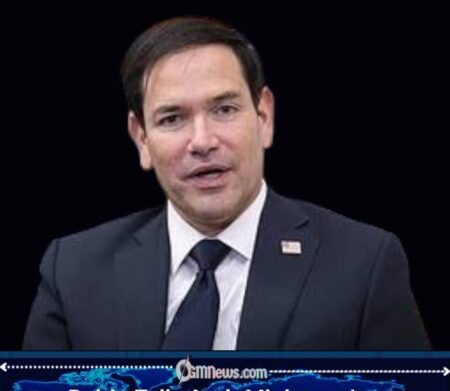









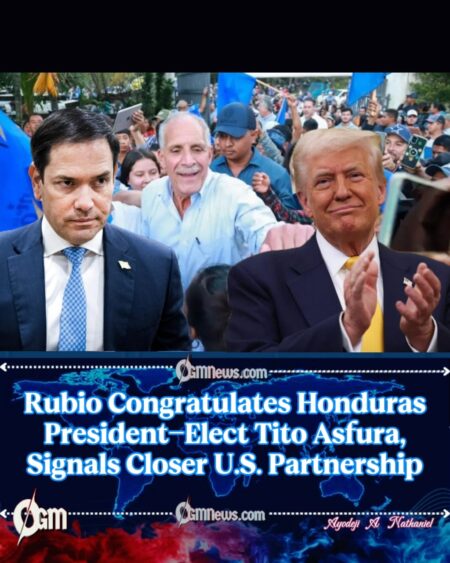
U.S. Secretary of State Marco Rubio has spoken with Honduras President-elect Tito Asfura to formally congratulate him on his electoral victory, marking Washington’s first high-level response to the outcome of the Honduran presidential race. The call underscored U.S. recognition of the result and signaled an intention to maintain and expand bilateral relations with the Central American nation.
The development comes amid heightened political attention across the region, as Honduras prepares for a transition of power following a closely watched election that has drawn both domestic and international scrutiny.
Official U.S. Acknowledgment of the Election Result
According to statements released after the call, Secretary Rubio congratulated Asfura on his win and emphasized the importance of democratic processes in the region. U.S. officials framed the outreach as part of standard diplomatic practice following an election recognized by national authorities.
While some political actors and commentators have raised allegations of irregularities, U.S. statements focused on forward-looking engagement rather than adjudicating claims surrounding the vote, underscoring the administration’s emphasis on stability and continuity.
Tito Asfura’s Political Profile
Tito Asfura, a conservative figure endorsed by President Donald Trump, enters office with a background in business and municipal governance. His campaign emphasized economic growth, security, and strengthening ties with international partners, including the United States.
Supporters have portrayed his victory as reflective of shifting political dynamics in parts of Latin America, while critics continue to call for transparency and oversight in electoral processes.
Rubio’s Message on Bilateral Cooperation
In his remarks, Rubio said the United States looks forward to furthering a “strong partnership” with Honduras. He highlighted shared interests, including regional stability, economic development, and cooperation on transnational challenges.
U.S. officials noted that expanding economic ties would be a priority, particularly in areas such as trade, investment, and development initiatives aimed at addressing migration drivers and strengthening institutions.
Economic and Regional Implications
Honduras occupies a strategic position in Central America, and its relationship with the United States plays a significant role in regional economic and security frameworks. Analysts say renewed engagement could influence cooperation on supply chains, infrastructure, and labor mobility.
The election outcome may also shape Honduras’s role within broader hemispheric discussions on governance, security, and economic integration.
Political Reactions and Regional Context
Reactions to Rubio’s call have varied across the political spectrum. Supporters of Asfura view the outreach as international validation of the election result, while opposition figures continue to press for accountability regarding electoral concerns.
Regionally, the development adds to ongoing debates about political trends in the Americas and the future direction of U.S. engagement in Latin America.
A Diplomatic Signal Moving Forward
Secretary Rubio’s congratulatory call to President-elect Tito Asfura represents an early diplomatic signal of Washington’s intent to work with Honduras’s incoming leadership. As the transition unfolds, the tone and substance of U.S.–Honduras relations will likely depend on governance priorities, economic cooperation, and responses to domestic and regional challenges.