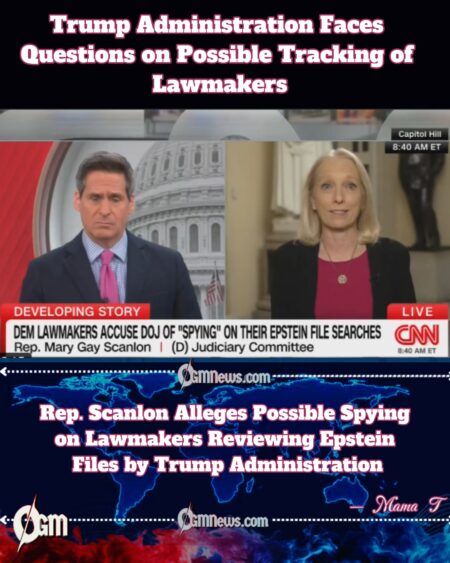
Rep. Scanlon has raised concerns that members of Congress may have been monitored while reviewing recently released documents connected to Jeffrey Epstein, provided by the Trump administration just days before a scheduled congressional hearing. The allegation, if confirmed, would underscore significant tensions between executive power and congressional oversight.
Timing of Document Release Sparks Concerns
Lawmakers were granted access to the Epstein-related files only two days before the hearing. Rep. Scanlon described the timing as potentially strategic, raising questions about whether the release was intended to influence which lawmakers could access the documents and when.
“This isn’t just about the content of the files,” Scanlon said. “It’s about whether members of Congress were being watched for political reasons. That is really, really disturbing.” She emphasized that any monitoring of congressional activity could undermine both oversight responsibilities and the independence of lawmakers.
Political analysts note that the timing of document releases has historically been a sensitive issue, as short notice can limit lawmakers’ ability to review materials thoroughly, potentially affecting the substance of hearings.
Implications for Congressional Oversight
The potential surveillance allegation shifts the focus from the Epstein documents themselves to the broader procedural and ethical concerns regarding executive-legislative relations. Oversight is a fundamental congressional responsibility, and any interference could be seen as an encroachment on the separation of powers.
Legal scholars point out that monitoring access to documents could have chilling effects on legislative activity. “If members of Congress believe they are being tracked or surveilled, it could deter rigorous review and debate,” said a former congressional counsel.
The matter also raises questions about transparency and whether executive branch actions are aligning with democratic norms expected in handling sensitive information.
Administration Response Remains Unclear
As of now, the Trump administration has not publicly commented on the allegation of monitoring congressional access. White House officials have reiterated the administration’s commitment to cooperating with congressional inquiries into Epstein-related matters, but have not addressed claims of possible surveillance.
The lack of a clear response has drawn criticism from both sides of the political spectrum, with some lawmakers calling for an independent investigation to ensure the integrity of congressional oversight processes.
Experts warn that even unconfirmed allegations of surveillance could erode trust between the legislative and executive branches, complicating ongoing investigations and hearings.
Rep. Scanlon:Political Reactions and Broader Debate
Reactions among lawmakers have been mixed. Democrats have expressed alarm over potential political monitoring, framing it as an attack on congressional independence. Some Republican lawmakers have called for clarity, emphasizing the need for factual verification before drawing conclusions.
The episode also contributes to a broader debate about executive power and the extent to which the president and administration officials can control or influence the dissemination of sensitive information. Civil liberties advocates argue that the situation highlights the need for stronger safeguards against potential overreach.
Next Steps and Possible Investigations
Rep. Scanlon has indicated she may pursue formal inquiries to determine whether lawmakers were indeed monitored while reviewing the documents. Congressional committees may request internal communications, metadata, and other relevant records from the administration to ascertain the facts.
If verified, the allegation could prompt legislative reforms aimed at ensuring secure, independent access to sensitive information for members of Congress, preserving both transparency and accountability in government operations.