










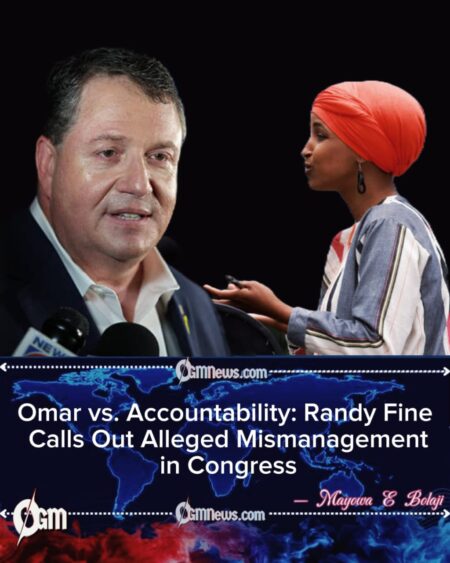
Rep. Randy Fine, the Florida lawmaker, has publicly criticized Minnesota Representative Ilhan Omar, linking her alleged financial mismanagement to broader challenges in U.S. immigration policy. Speaking to reporters and constituents, Rep. Randy Fine emphasized the need for accountability and transparent oversight in Congress, framing the discussion as a call for ethical responsibility.
According to Rep. Randy Fine, allegations against Omar highlight the importance of holding elected officials to the highest standards. While some observers view Fine’s remarks as politically charged, he maintains that accountability is essential for public trust and institutional integrity.
Rep. Randy Fine Highlights Alleged Financial Misconduct
Rep. Randy Fine drew attention to what he described as potential financial irregularities tied to Rep. Ilhan Omar, urging an investigation into her management of campaign funds and personal expenditures. Fine argued that accountability in financial matters is critical for maintaining public confidence in government.
Rep. Randy Fine stressed that even perceived lapses by lawmakers can erode trust in Congress. He called on regulatory and oversight bodies to ensure that all members adhere to established ethical standards. Congressional aides noted that discussions about potential oversight measures are ongoing.
Rep. Randy Fine Connects Allegations to Immigration Concerns
Rep. Randy Fine framed his concerns about Omar’s financial conduct within the broader context of immigration policy. According to Fine, Omar “represents systemic failures in current immigration enforcement,” suggesting that ethical lapses in one area can reflect on wider policy issues.
Political analysts note that Fine’s comments underscore the intersection of individual accountability and broader policy debates. While some critics view Fine’s statements as partisan, others acknowledge that immigration enforcement and fiscal transparency are linked in both public perception and congressional discussions.
Rep. Randy Fine Sparks National Debate
Rep. Randy Fine’s statements immediately drew polarized reactions from across the political spectrum. Supporters of Omar dismissed the allegations as politically motivated, while Fine’s advocates praised his insistence on transparency and ethics.
Observers note that Rep. Randy Fine’s public remarks illustrate ongoing tensions in Congress over standards of conduct. His intervention has amplified the conversation about ethical oversight and the role of individual accountability in shaping public trust.
Rep. Randy Fine Emphasizes Oversight and Accountability
Rep. Randy Fine highlighted the importance of rigorous oversight mechanisms in Congress, arguing that audits, independent reviews, and timely reporting are essential for institutional credibility. Fine stressed that accountability is not optional, but fundamental to responsible governance.
According to Rep. Randy Fine, ensuring transparency in both financial management and policy implementation strengthens public confidence. He urged lawmakers to adopt stricter compliance measures and more robust reporting standards to prevent ethical violations.
Rep. Randy Fine Addresses Public Perception and Policy
Rep. Randy Fine’s comments have fueled discussion among the public and media about the connections between financial oversight and immigration policy. While the allegations remain unproven, Fine maintains that scrutiny is necessary to preserve integrity in government.
Fine’s focus on accountability has resonated with supporters concerned about transparency, while critics argue that his remarks are politically motivated. The debate underscores the challenge of balancing oversight with partisan pressures in Congress.
Rep. Randy Fine Signals Continued Vigilance
Rep. Randy Fine indicated that he will continue to monitor developments closely, calling for potential investigations if warranted and encouraging congressional committees to ensure compliance with ethical standards.
Observers suggest that Rep. Randy Fine’s active stance may influence future oversight measures and contribute to broader discussions about ethics, financial responsibility, and immigration policy in Congress.


