


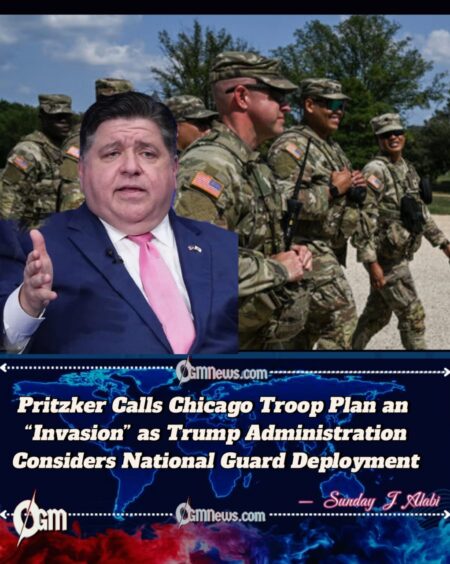
Illinois Governor JB Pritzker has sharply criticized the Trump administration’s reported plans to send military troops and National Guard forces into Chicago, warning that such a move would amount to an “invasion.” Speaking in an interview with CBS News, Pritzker said the White House had not communicated directly with state officials about the potential deployment, which could begin as soon as September.
The remarks come after reports from The Washington Post and CBS News revealed that the Pentagon is drawing up contingency plans for a large-scale National Guard presence in Chicago. President Trump has already authorized deployments in Los Angeles and Washington, D.C., citing the need to combat violent crime, illegal immigration, and unrest. Last week, the president labeled Chicago “a mess” and suggested it would be the next target of his security crackdown.
Federal Crackdown Moves Beyond Immigration
President Trump has framed the military and federal law enforcement deployments as part of a broader national strategy against criminal networks, civil disorder, and what he calls “sanctuary city failures.” In Los Angeles, thousands of Guard members were dispatched in June to protect federal facilities and support immigration enforcement operations despite Governor Gavin Newsom’s objections. A similar move in Washington, D.C., was executed under the president’s direct authority over the capital’s Guard.
Now, the administration is preparing sweeping immigration raids in Chicago, mirroring recent operations in California. According to sources briefed on the plans, federal immigration agents may begin enforcement actions in the city as early as next week, with National Guard support to follow. The White House argues that such actions are necessary to restore law and order in major urban centers.
Pritzker Accuses Trump of Political Motives
Governor Pritzker, however, insists that the president’s intentions extend far beyond crime control. He argued that the deployments could be part of a broader effort to undermine democratic institutions, pointing to the 2026 midterm elections as a possible target. “If he sends the Guard to Chicago, voters should understand that he has other aims, other than fighting crime,” Pritzker warned, calling the move “an attack on the American people.”
The governor also emphasized that the Trump administration had made no attempt to collaborate with Illinois authorities on security measures. “He may disagree with a state that didn’t vote for him. But should he be sending troops in? No,” Pritzker said. He described the idea as a dangerous precedent that undermines state authority and inflames local tensions.
White House Dismisses Criticism, Points to Crime Crisis
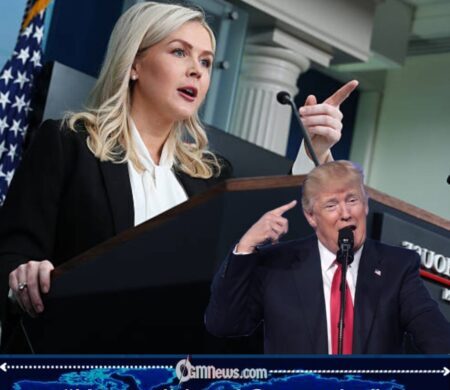
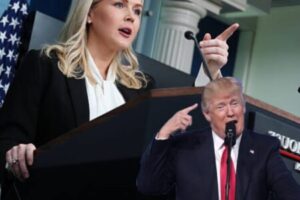
The Trump administration swiftly rejected Pritzker’s warnings. White House spokeswoman Abigail Jackson issued a statement dismissing the governor’s claims as political theater. “It’s amazing the lengths this slob will go to in order to deflect from the terrible crime crisis that has been plaguing Chicago for years,” Jackson said. She argued that the city’s residents would be safer if state leaders addressed crime directly rather than opposing federal intervention.
The White House has consistently cited Chicago’s high levels of violent crime as evidence of failed local leadership. President Trump has repeatedly clashed with Mayor Brandon Johnson, vowing to “straighten out” the city. Administration officials argue that deploying federal forces is both lawful and necessary to restore public safety.
Legal Questions and Potential Court Battles
Despite the administration’s confidence, legal challenges appear likely if troops are sent to Chicago. Unlike Washington, D.C., where the president holds direct authority over the National Guard, state governors generally control their own Guard units. Federalization is permitted under specific statutes, such as in cases of rebellion or obstruction of federal law, but critics argue such standards are being stretched.
California has already sued the administration over the Los Angeles deployment, accusing the president of misusing military forces for law enforcement. A federal appeals court recently ruled that the president likely had authority under Title 10 of U.S. law but left questions unresolved about the appropriateness of the Guard’s role. A lower court continues to review the case, which may shape the legal precedent for any deployment in Illinois.
What Comes Next for Chicago
For now, Chicago’s future hangs in the balance as the Trump administration weighs its next move. Federal immigration enforcement actions could begin within days, while Pentagon plans for a larger National Guard deployment remain under review. If carried out, the operation would mark the most significant federal security intervention in the city in decades.
Pritzker and Mayor Johnson have vowed to resist what they view as federal overreach, even as residents brace for a potential influx of troops. With tensions already high over crime and governance in America’s third-largest city, the coming weeks may test the limits of federal-state relations and ignite a constitutional debate with national consequences.
–