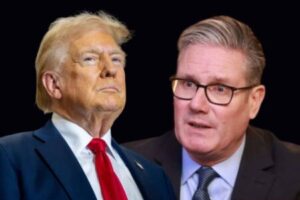



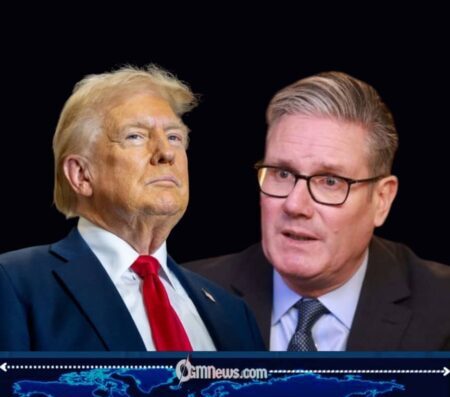
British Prime Minister Keir Starmer has publicly criticized the Middle East strategy of Donald Trump, the current U.S. president serving a second term, warning that recent military developments risk plunging the region into deeper instability. Starmer’s remarks come amid growing diplomatic tensions between Washington and several Western allies following the escalation of hostilities involving Iran and Israel.
In comments reported across multiple international outlets, Starmer emphasized that the United Kingdom would continue to act according to ethical and legal principles, even under pressure from allies. His remarks follow similar criticism voiced by Spanish Prime Minister Pedro Sánchez, who earlier questioned the consequences of the military escalation and urged restraint.
The statements highlight emerging divisions within Western alliances over how to respond to the rapidly evolving Middle East crisis. While the United States has defended its strategy as necessary for regional security, some European leaders fear that further escalation could destabilize an already fragile region.
Keir Starmer Calls for Ethical Foreign Policy Amid Rising Pressure
Prime Minister Keir Starmer framed Britain’s position as one rooted in ethics and international law, stressing that military decisions must be guided by careful assessment rather than political pressure. Speaking to reporters, Starmer said the United Kingdom would prioritize diplomacy and regional stability while continuing to work with allies to manage the unfolding crisis.
Starmer’s remarks came as Western governments grapple with the implications of intensified military operations involving Iran. Analysts note that the British leader is attempting to strike a delicate balance: maintaining the United Kingdom’s close security relationship with the United States while responding to domestic and international concerns about the potential for a broader war.
British officials have also emphasized that the government remains committed to protecting its forces and citizens in the region. Additional military deployments have reportedly been made to ensure readiness should the situation deteriorate further.
Trump Defends U.S. Strategy in the Middle East
President Donald Trump, currently serving his second term in office, has defended the United States’ actions in the Middle East as necessary to counter threats posed by Iran and its regional allies. The administration argues that its military posture is designed to deter aggression and protect both American interests and regional partners.
Trump has also expressed frustration with some allied governments that have hesitated to fully support the U.S. approach. In interviews with American media outlets, the president suggested that longtime allies should demonstrate stronger solidarity during periods of geopolitical tension.
Despite the disagreements, the Trump administration maintains that cooperation with NATO partners and European governments remains essential to maintaining stability in the Middle East.
Spain Emerges as Early Critic of Military Escalation
Spain became one of the first European countries to publicly challenge the U.S.-led escalation when Prime Minister Pedro Sánchez voiced strong concerns about the potential consequences of military action in the region. Spanish officials warned that increased hostilities could trigger wider instability across the Middle East.
Sánchez’s government reportedly declined to support certain operational requests linked to the campaign, arguing that diplomacy should remain the primary avenue for resolving tensions. Spanish leaders emphasized the importance of international cooperation aimed at de-escalation rather than confrontation.
The stance taken by Spain sparked a broader discussion within Europe about how far allied governments should go in supporting American military initiatives.
Europe’s Delicate Balance Between Alliance and Independence
European leaders now face the challenge of maintaining strategic partnerships with the United States while responding to growing public concern about the risk of prolonged conflict in the Middle East. Political analysts say the disagreement highlights a longstanding debate within Western alliances over the balance between collective security and national decision-making.
For the United Kingdom, the issue is particularly sensitive. Britain remains one of Washington’s closest military partners, yet domestic political pressure often demands greater scrutiny of foreign interventions. Starmer’s comments reflect an effort to reassure both international allies and voters at home.
Diplomatic sources say discussions among NATO members are ongoing as governments attempt to coordinate responses to the crisis without deepening divisions within the alliance.
Uncertain Path Ahead for Western Diplomacy
The exchange of criticism between Washington and several European capitals illustrates the complexity of managing international alliances during times of crisis. As tensions in the Middle East continue to evolve, Western leaders are likely to face difficult choices regarding military involvement, diplomatic engagement, and regional security.
Observers say the coming weeks will be critical in determining whether the conflict can be contained or whether it risks expanding into a wider confrontation. Continued dialogue between the United States and its European allies will likely play a key role in shaping the international response.
For now, the remarks from Starmer and Sánchez underscore the growing debate within Western democracies over how best to respond to one of the most volatile geopolitical challenges in recent years.