

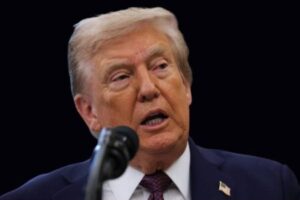

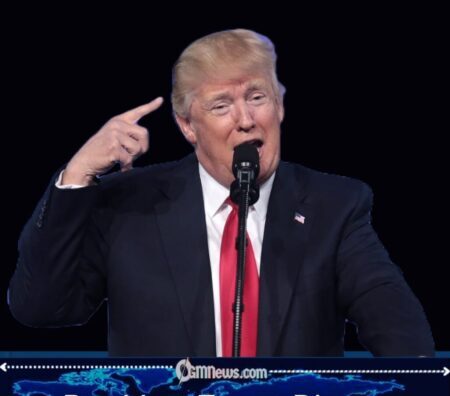
Donald Trump, the current U.S. president serving his second term, opened his address with a confident declaration that he “never gets bored,” projecting energy and assurance before an audience gathered for what was expected to be a policy-driven speech. The event had been scheduled to highlight administrative priorities and provide updates on key national issues.
Donald Trump began by following his prepared remarks, outlining agenda items and briefly referencing recent developments. However, within minutes, the tone of the address shifted in an unexpected direction, drawing attention away from policy matters and toward a far more unusual subject.
Departure From Prepared Remarks
Donald Trump paused mid-speech and turned his attention to the drapes inside the White House venue, commenting extensively on their design, fabric quality, and color scheme. The prepared text appeared to be set aside as he spoke extemporaneously about interior décor choices.
Donald Trump elaborated on his personal preferences regarding aesthetics, contrasting the current drapery with past styles and offering opinions about presentation and ambiance. The deviation lasted several minutes, prompting a noticeable shift in the room’s atmosphere. Donald Trump eventually returned to broader themes, but by then the focus of the address had changed significantly from its original intent.
Reactions From Attendees and Officials
Donald Trump’s remarks were met with a mixture of polite applause and visible surprise from attendees. Some administration officials later characterized the comments as a lighthearted aside meant to create a more relaxed environment.
Donald Trump’s off-script commentary, however, quickly became the dominant talking point among political observers. Analysts suggested that the unscheduled detour could overshadow the policy messages the White House had sought to emphasize.
Donald Trump did not directly address the shift during the remainder of his speech, and the White House did not immediately release a formal clarification regarding the unexpected turn.
Social Media Amplifies the Moment
Donald Trump’s comments about the drapes were rapidly clipped and shared across social media platforms, where they generated widespread discussion. Within minutes, the décor remarks began trending, drawing reactions from both supporters and critics.
Donald Trump’s spontaneous pivot was described by some allies as an example of authenticity and conversational style. Critics, however, argued that the moment reflected a lack of focus during a significant public address. Donald Trump’s intended policy highlights received comparatively less online engagement, underscoring how unscripted remarks can dominate the digital news cycle.
A Pattern of Off-Script Commentary
Donald has frequently departed from prepared remarks throughout both his first and second terms in office. His speaking style often includes spontaneous observations, personal reflections, and unscripted commentary on a wide range of subjects.
Donald’s supporters maintain that this approach makes his speeches more relatable and less constrained by rigid scripting. Detractors contend that such deviations can dilute key policy messaging and create distractions.
Donald Trump’s latest digression fits within this broader pattern, where impromptu remarks often reshape the narrative surrounding official events.
Political Implications Moving Forward
Donald Trump’s decision to abandon his prepared remarks, even briefly, raises questions about message discipline during major public addresses. Communication strategists note that tightly structured messaging is typically central to advancing legislative and policy priorities.
Donald’s off-script moment may not carry lasting political consequences, but it demonstrates how quickly attention can shift in a highly connected media environment. Donald Trump’s remarks about White House drapes ultimately became the defining feature of the event, illustrating the unpredictable nature of live presidential appearances.