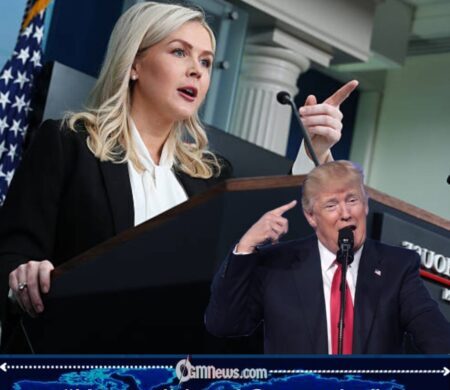
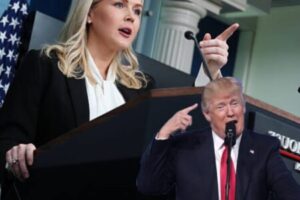



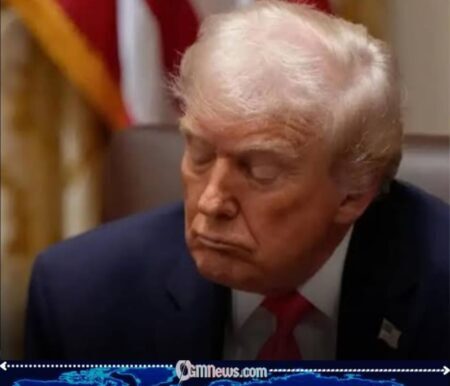
President Donald Trump drew widespread attention during his highly anticipated “Board of Peace” meeting after cameras captured moments in which he appeared to struggle to stay fully alert. The meeting, billed as a significant diplomatic initiative, was intended to highlight efforts toward international stability and cooperation.
President Donald Trump addressed global leaders and stakeholders during the session, outlining his administration’s priorities on conflict resolution and economic partnerships. While much of the policy discussion centered on strategic alliances and security commitments, public reaction quickly shifted toward his demeanor rather than the substance of the talks.
Observers noted brief instances in which the president seemed fatigued, sparking debate across social media platforms and cable news networks. Some commentators described the optics as concerning, while others argued that isolated video clips can exaggerate routine human moments.
Diplomatic Goals and Global Optics
President Donald Trump has positioned the “Board of Peace” initiative as part of a broader effort to recalibrate international diplomacy. The administration has framed the meeting as an opportunity to reduce tensions and encourage cooperative frameworks among rival nations.
Foreign policy analysts emphasized that high-level summits often involve extended hours, complex negotiations, and significant travel demands. In that context, moments of visible fatigue are not uncommon among world leaders navigating tight schedules.
President Donald Trump’s critics, however, argued that presidential optics matter deeply on the global stage. They contend that symbolic impressions can influence how allies and adversaries assess leadership strength and readiness.
Domestic Reaction to President Donald Trump’s Appearance
President Donald Trump became the subject of intense domestic commentary as political opponents seized on the footage. Some lawmakers suggested the episode raised broader questions about stamina and the pressures of office.
Supporters of the president pushed back, dismissing the narrative as politically motivated. They pointed out that selective clips often circulate without full context, and they highlighted the administration’s policy objectives as the more substantive takeaway from the event.
President Donald Trump himself has not publicly characterized the moment as significant, instead continuing to focus remarks on the diplomatic outcomes of the meeting. His aides have described the coverage as overblown and disconnected from policy realities.
The Demands of High-Level Leadership
President Donald Trump, like many heads of state, maintains a schedule that includes international travel, security briefings, economic consultations, and campaign-related commitments. Political scientists frequently note that the presidency is both physically and mentally demanding, regardless of party affiliation.
Health and performance discussions have historically surrounded presidents across administrations. From extended speeches to marathon negotiations, public appearances often expose leaders to scrutiny over body language and energy levels.
President Donald Trump’s defenders argue that a momentary lapse in visible alertness does not define leadership capacity. They maintain that measurable outcomes—trade agreements, ceasefires, economic indicators—should remain the focus of public evaluation.
Media Narratives and Public Perception
President Donald Trump has long been at the center of polarized media coverage, with interpretations of events often reflecting broader political divides. The “Board of Peace” footage quickly became a trending topic, demonstrating how rapidly narratives can form in the digital era.
Communications experts note that visual storytelling frequently shapes public opinion more powerfully than policy briefings. A few seconds of video can overshadow hours of diplomatic discussion, particularly in an age of short-form content and rapid sharing.
President Donald Trump’s allies argue that emphasis on optics distracts from substantive diplomatic engagement. Meanwhile, critics insist that presentation and perception are inseparable from effective global leadership.
Broader Questions About Leadership and Accountability
President Donald Trump continues to face intense scrutiny not only for policy decisions but also for symbolic moments that resonate beyond the immediate event. In modern politics, leadership is evaluated through both measurable achievements and televised appearances.
Political analysts caution that framing any single moment as definitive can oversimplify complex realities. Fatigue, camera angles, and selective editing can all shape interpretations in ways that may not fully capture the broader context.
As debates unfold, the central question remains how voters and global observers weigh optics against outcomes. For some, the episode represents a minor distraction from substantive diplomacy. For others, it reinforces concerns about image and international credibility. Ultimately, public judgment will depend on whether policy results align with expectations set by the administration’s ambitious diplomatic agenda.