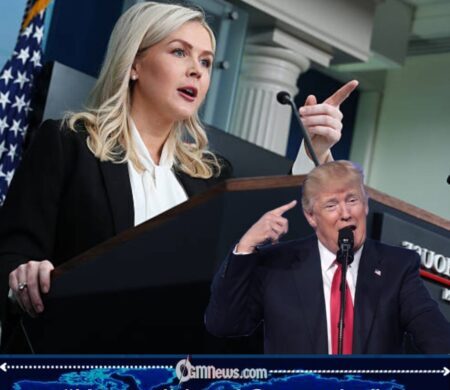
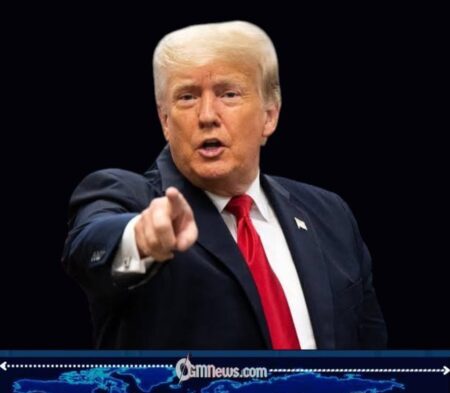
President Donald Trump said that if Iran “hits hard today,” the United States will respond with a level of force “never seen before,” escalating rhetoric amid rising tensions between the two nations. His statement, delivered during a public appearance, underscored the seriousness of the current standoff and signaled a readiness to respond decisively to any aggression.
President Donald Trump framed the warning as a deterrent, arguing that clear and forceful messaging is necessary to prevent miscalculation. He emphasized that the United States would not hesitate to defend its interests, allies, and personnel in the region.
President Donald Trump’s remarks come at a time of heightened alert, with global leaders closely monitoring developments and urging restraint to avoid a broader conflict.
Rising Tensions in the Region
President Donald Trump’s statement follows a series of escalating exchanges between Washington and Tehran, raising fears of direct confrontation. Military analysts note that strong rhetoric can both deter and inflame tensions, depending on how it is received.
The Middle East remains a strategically sensitive region, where rivalries and alliances intersect in complex ways. Any misstep could have far-reaching implications for regional stability and global markets.
President Donald Trump has repeatedly asserted that maintaining a posture of strength is essential to preserving peace through deterrence.
President Donald Trump Signals Strong Deterrence Strategy
President Donald Trump described the potential U.S. response as overwhelming, though he did not provide operational details. Defense experts point out that such statements are often designed to signal capability without revealing strategy.
The concept of deterrence rests on convincing an adversary that the cost of aggression would outweigh any perceived benefit. Public warnings can serve as part of that strategic communication.
President Donald Trump reiterated that the goal is not conflict, but prevention, arguing that credible threats of retaliation can discourage hostile actions.
International Reaction and Diplomatic Concerns
President Donald Trump’s warning has drawn mixed reactions abroad. Some allies view strong language as necessary in moments of crisis, while others worry that escalating rhetoric may reduce space for diplomacy.
International organizations and foreign ministries have urged all sides to exercise caution and avoid actions that could spiral into open conflict. Calls for renewed diplomatic engagement have intensified.
President Donald Trump has maintained that the United States remains open to dialogue, provided that its security concerns are addressed.
Domestic Political Response
President Donald Trump’s comments have sparked debate in Washington, with lawmakers weighing in on the balance between deterrence and diplomacy. Some have praised the firm stance, while others advocate for congressional consultation on any potential military action.
Public opinion appears divided, reflecting broader questions about the role of military power in foreign policy. Analysts note that rhetoric can influence both domestic and international audiences.
President Donald Trump emphasized that protecting American interests is his foremost responsibility, signaling that preparedness remains a priority.
What Comes Next
President Donald Trump’s warning sets the stage for tense days ahead, as observers watch for any signs of escalation or de-escalation. Military readiness and diplomatic engagement may proceed simultaneously in such high-stakes situations.
Security experts suggest that clear communication channels between adversaries are essential to prevent misunderstandings. Even in moments of heightened rhetoric, backchannel diplomacy can play a crucial role.
President Trump concluded by reaffirming that the United States seeks stability but will respond decisively if provoked, reinforcing the administration’s message of strength and deterrence.