

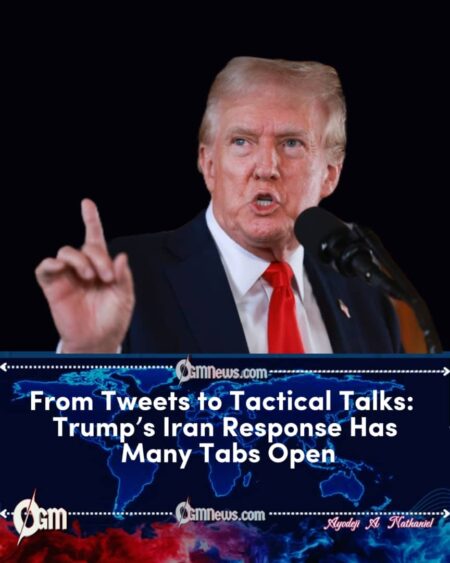
Donald Trump, currently serving a second term as U.S. president, is facing renewed foreign-policy pressure as widespread protests and violent crackdowns in Iran draw international attention. Reports of demonstrators being killed by Iranian security forces have intensified debate in Washington over how the United States should respond, amid rising regional tensions and fears of escalation.
The unfolding situation has placed human rights, regional stability, and U.S. strategic interests at the center of a rapidly evolving crisis, prompting renewed scrutiny of America’s posture toward Tehran and its leadership.
President Donald Trump and the White House Response
President Donald Trump has directed senior national security officials to assess developments in Iran as demonstrations spread across major cities. According to U.S. officials, the administration is monitoring intelligence and diplomatic reporting to better understand the scale of the unrest and the government’s response.
While no final decision has been announced, discussions inside the administration reportedly include a range of diplomatic, economic, and security options, reflecting the seriousness with which Washington views the situation.
Protests, Slogans, and the Crackdown on the Streets
Demonstrations have erupted in multiple Iranian cities, fueled by economic hardship, political frustration, and longstanding grievances against the ruling system. Protesters have openly challenged the country’s leadership, chanting slogans calling for fundamental political change.
Security forces have responded forcefully, with human rights groups alleging the use of live ammunition, mass arrests, and widespread intimidation. Iranian authorities have restricted internet access, making independent verification difficult and heightening international concern.
President Donald Trump, Iran’s Leadership, and Escalating Rhetoric
President Donald Trump has previously taken a hard line on Tehran, and the current unrest has revived sharp rhetoric on both sides. Iranian officials, including Supreme Leader Ali Khamenei, have accused foreign powers of fueling instability, while insisting the state will not tolerate what it calls unrest and sabotage.
This exchange has raised fears that miscalculation or inflammatory language could further inflame an already volatile situation, particularly given the region’s history of rapid escalation.
Military Options and Strategic Risks
Within policy circles, President Donald Trump is reported to be weighing the risks and consequences of any potential military action, even as advisers emphasize that no immediate decision has been made. Analysts warn that strikes could trigger retaliation against U.S. interests or allies, potentially drawing the region into a wider conflict.
Others argue that restraint and diplomatic pressure may better serve U.S. interests, pointing to the long-term costs of military intervention and the unpredictability of outcomes inside Iran.
Global and Regional Reactions
Allies and international organizations have expressed alarm at reports of violence against demonstrators, urging Iranian authorities to exercise restraint and respect basic rights. At the same time, several governments have cautioned against external military involvement, stressing the importance of de-escalation.
President Donald Trump’s approach is being closely watched by partners in the Middle East and Europe, who see the U.S. response as potentially shaping the region’s security environment for years to come.
What Comes Next
As events continue to unfold, President Donald Trump faces a complex set of choices that balance moral pressure, strategic caution, and domestic political considerations. The administration has signaled that it will continue to review intelligence and consult allies before taking any definitive steps.
For now, the situation remains fluid, with developments on the ground in Iran likely to influence Washington’s next moves and the broader international response.