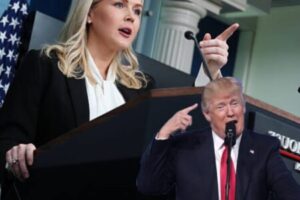



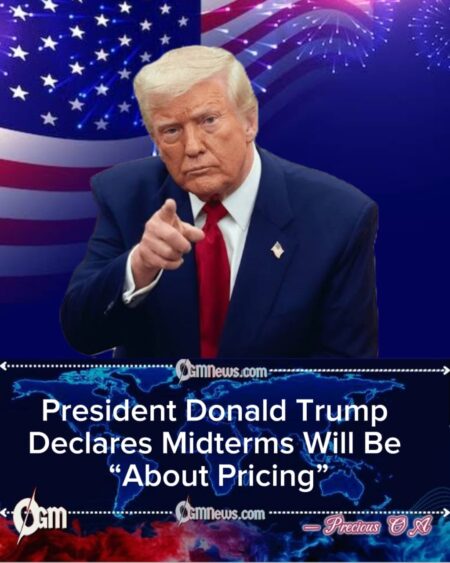
President Donald Trump addressed supporters at a recent rally, asserting that the upcoming midterm elections will revolve around “pricing” and the rising cost of living, particularly for everyday Americans. He emphasized that inflation and energy costs are the dominant issues voters will consider when casting their ballots.
Voter concerns over grocery bills, rent, and household essentials have been rising steadily, and many citizens have expressed frustration over policies that appear to inflate these costs. Analysts suggest this could become a defining factor in voter turnout.
President Donald Trump criticized the current administration’s handling of the economy, stating that Americans are being forced to shoulder unnecessary financial burdens due to poor policy decisions. He argued that the midterms will serve as a referendum on economic mismanagement.
Energy and Gas Prices
President Donald Trump focused on the issue of energy pricing, stating that soaring gas prices are one of the most pressing concerns for families across the country. He criticized policies he claimed have led to energy scarcity and higher costs.
Rising fuel costs have a domino effect on consumer goods and services, increasing transportation and logistics expenses. Many households report adjusting budgets to cope with the added strain.
President Donald Trump insisted that his administration had prioritized American energy independence, keeping prices lower and ensuring supply stability. He contrasted this with current policies, which he said favor foreign energy sources at the expense of domestic consumers.
Taxation and Economic Burden
Cutting taxes has been a consistent topic of discussion among lawmakers, particularly in districts facing higher-than-average costs of living. Local business owners also cite regulatory fees as a constraint on growth.
President Donald Trump highlighted examples such as sales tax increases, corporate levies, and regulatory fees that he says contribute to a “pricing crisis” affecting everyday Americans.
Economic experts note that balancing tax relief with budgetary responsibilities is critical for maintaining long-term fiscal stability. The debate over taxation remains a key talking point for both parties.
Political Strategy and Messaging
President Donald Trump underscored that Republicans must focus their campaign messaging on economic issues, particularly the rising cost of living, to connect with voters. He suggested that social and cultural debates, while important, will not outweigh the immediate concerns of financial stability.
Political strategists recommend local candidates emphasize practical solutions, like lowering utility costs or increasing wage growth, to appeal to undecided voters.
President Donald Trump encouraged local candidates to highlight their plans for economic relief, arguing that those who fail to address cost-of-living issues risk losing voter support.
Criticism of Opponents
President Donald Trump used the rally to directly challenge the Democratic Party, accusing them of ignoring the struggles of ordinary Americans. He claimed their policies are driving inflation and that voters will hold them accountable at the polls.
Observers note that framing elections around tangible economic concerns can resonate more with swing voters than abstract policy debates.
President Donald Trump argued that Democratic messaging often focuses on cultural topics while neglecting the financial hardships faced by working families.
Voter Engagement and Outlook
President Donald Trump highlighted that independent voters and swing districts will be particularly sensitive to economic messaging, suggesting that “pricing” is a universal concern.
Campaign analysts emphasize that voter turnout efforts in these areas could determine control of key seats, especially in midterm elections with historically lower participation rates.
President Donald Trump concluded by stating that the midterm elections present an opportunity to restore economic stability and ensure that Americans are no longer burdened by inflated prices and government mismanagement.
Strategists predict that connecting with local communities directly, through town halls and volunteer programs, will be essential to translating economic concerns into votes.
President Donald Trump reiterated the importance of messaging that frames midterm outcomes as a clear choice on economic issues, positioning his party as the solution to rising costs.