









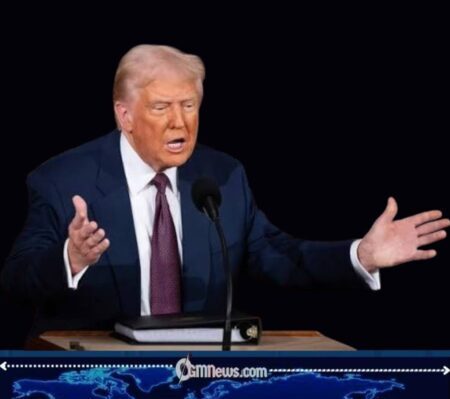
President Donald Trump delivered sharp criticism of Representatives Ilhan Omar and Rashida Tlaib during a recent rally, using inflammatory language that quickly sparked national debate. His comments, which included describing the lawmakers as “low IQ” and suggesting they “look like they should be institutionalized,” drew immediate reactions from supporters and critics alike.
President Donald Trump framed his remarks as part of a broader critique of progressive policies and what he characterized as extreme positions within Congress. He argued that ideological differences between himself and certain members of the Democratic Party reflect deeper divisions about the country’s direction.
President Donald Trump’s statements circulated widely on social media within hours, prompting renewed scrutiny over the tone and tenor of political discourse in the United States.
Political Fallout and Reactions
President Donald Trump’s comments were met with swift condemnation from Democratic leaders, who described the language as inappropriate and harmful. Several lawmakers called for greater civility in public debate, emphasizing the need for respectful disagreement.
Republican responses were more mixed. Some defended President Donald Trump’s remarks as characteristic of his blunt speaking style, while others declined to comment directly on the language used.
President Donald Trump has long employed provocative rhetoric as part of his political strategy, often arguing that his supporters value candor over conventional political phrasing.
President Donald Trump and Escalating Rhetoric
President Donald Trump’s latest remarks add to a history of personal criticisms directed at political opponents. Throughout his campaigns and time in office, he has frequently used pointed nicknames and sharp language to describe rivals.
Observers note that such rhetoric tends to energize segments of his base while intensifying opposition among critics. Political analysts suggest that these exchanges often dominate media coverage, shifting focus away from policy discussions.
President Donald Trump has defended his communication style as a response to what he views as unfair attacks and biased coverage, asserting that he speaks directly to voters without filtering his words.
Broader Debate Over Political Tone
President Donald Trump’s comments have reignited conversations about civility in American politics. Advocacy groups and commentators argue that personal insults contribute to polarization and undermine constructive dialogue.
Others contend that political rhetoric has been heated across party lines for years, reflecting deeper ideological divides rather than the influence of any single figure. Social media platforms amplify such moments, accelerating their reach and impact.
President Donald Trump continues to emphasize that he believes strong language underscores the seriousness of his disagreements with certain policies and lawmakers.
Impact on Public Discourse
President Donald Trump’s remarks may have lasting effects on the national conversation as both parties prepare for upcoming electoral contests. Campaign strategists often weigh how controversial statements resonate with undecided voters.
Critics argue that focusing on personal attributes rather than policy positions detracts from substantive debate. Supporters counter that bold rhetoric highlights clear distinctions between competing visions for governance.
President Donald Trump has repeatedly stated that he will not alter his speaking style to conform to traditional expectations, positioning himself as an outsider challenging political norms.
Looking Ahead
President Donald Trump’s comments are likely to remain a focal point in political discussions in the days ahead. Public figures and advocacy organizations have called for more measured language from leaders across the political spectrum.
As debates over policy, immigration, national security, and economic direction continue, rhetorical clashes may shape the tone of the broader campaign environment. Analysts note that high-profile exchanges often influence media cycles and voter perceptions.
President Trump concluded his remarks by reaffirming his opposition to what he described as radical political agendas, signaling that pointed criticism of his opponents will remain a central feature of his public appearances.


