


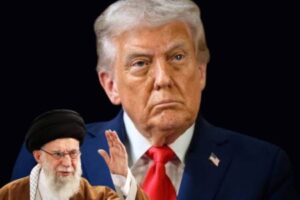


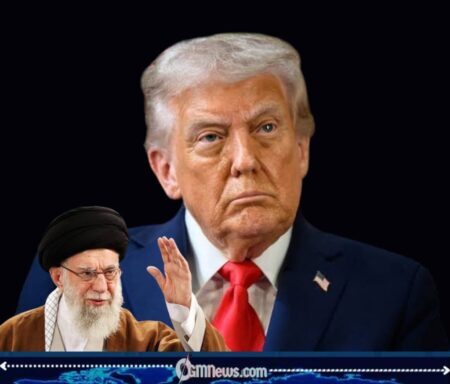
President Donald Trump became the focus of intense international controversy after Iran vowed to “punish” him following reports surrounding the assassination of Supreme Leader Ali Khamenei. Iranian officials described the killing as an act that would not go unanswered, warning that the country would respond in a manner it believes reflects justice for what it considers a grave provocation. The remarks quickly heightened tensions across the region and prompted concern among global leaders about the potential for further escalation.
Iranian state officials issued statements condemning the event and calling it a historic turning point in relations with Washington. Leaders in Tehran described the killing as an attack on the nation’s leadership and sovereignty, promising that the consequences would extend beyond political rhetoric.
President Donald Trump has not publicly addressed the threat directly in detail, though sources close to the administration say security officials are closely monitoring the situation. International observers note that rhetoric during periods of geopolitical tension can often escalate quickly as both sides attempt to project strength.
Regional Tensions Intensify
President Donald Trump has been at the center of escalating diplomatic tensions following the assassination of the Iranian leader. Iranian authorities have framed the situation as a direct attack on the country’s political and religious structure, fueling calls for retaliation from political and military figures.
The Middle East has historically been sensitive to sudden shifts in leadership or military actions involving major powers. Analysts warn that the situation could trigger reactions from regional allies and rivals alike, increasing uncertainty across the broader geopolitical landscape.
President Donald Trump’s role in the event has become a major topic of debate among international leaders and policy experts, many of whom are urging restraint to prevent further conflict.
Iran’s Promise of Retaliation
President Donald Trump was directly referenced in statements from Iranian officials who vowed that the United States would face consequences for the assassination. Leaders in Tehran said that “punishment” would come at a time and place of their choosing.
Political analysts say such statements often serve both strategic and domestic purposes. Governments may use strong rhetoric to demonstrate resolve to their citizens while also signaling determination to their international adversaries.
President Donald Trump remains a central figure in the unfolding crisis, as diplomatic channels attempt to assess how the situation might develop in the coming days.
President Donald Trump and the Global Reaction
President Donald Trump’s involvement in the situation has drawn reactions from governments around the world. Some leaders have expressed concern about the possibility of a wider regional conflict, while others have called for urgent diplomatic engagement.
Allied nations are reportedly reviewing security arrangements and diplomatic strategies in response to the heightened tensions. International organizations have also urged calm, emphasizing that escalation could destabilize global markets and political relationships.
President Donald Trump’s actions and the responses from Tehran have sparked widespread debate about the future direction of U.S.–Iran relations.
Security Concerns and Strategic Calculations
President Donald Trump now faces increased security concerns as threats from Iranian officials continue to circulate. Intelligence agencies and security experts are closely analyzing potential risks that could emerge from the situation.
Military strategists point out that moments of heightened rhetoric often require careful diplomatic handling to avoid unintended consequences. Even symbolic statements can influence how governments and armed forces respond during volatile situations.
President Donald Trump remains under the protection of extensive security measures as officials evaluate the broader implications of Iran’s statements.
The Uncertain Path Ahead
President Donald Trump is expected to remain at the center of international attention as the crisis continues to unfold. Diplomatic channels between major global powers are likely to remain active as leaders attempt to prevent further escalation.
Observers note that geopolitical conflicts often evolve rapidly, especially when rhetoric between rival governments intensifies. The coming weeks may determine whether the situation moves toward negotiation or deeper confrontation.
President Donald Trump’s role in the unfolding events will likely shape the next phase of relations between Washington and Tehran, as both sides weigh their options in an increasingly tense environment.