



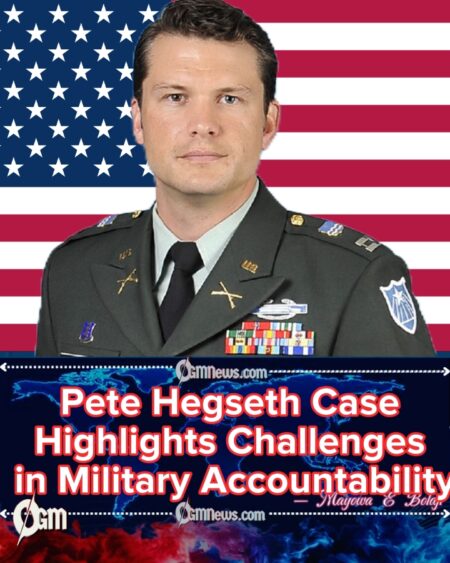
Pete Hegseth, a former U.S. Army officer and prominent conservative commentator, is now under formal investigation by the House Armed Services Committee for alleged war crimes. Pete Hegseth’s case has drawn significant attention in Washington as lawmakers emphasize accountability for military conduct.
Pete Hegseth’s potential involvement in these allegations emerged from multiple reports and claims by former servicemembers. Pete Hegseth’s inquiry is part of the committee’s broader efforts to examine wartime decisions and ensure compliance with the Uniform Code of Military Justice and international humanitarian law.
Pete Hegseth’s cooperation with the committee is expected to play a critical role in the investigation. Pete Hegseth’s release of information, documents, and testimony will likely determine the speed and scope of the inquiry.
Pete Hegseth Background and Service
Hegseth served in the U.S. Army National Guard, with deployments in Iraq and Afghanistan. Hegseth later rose to prominence as a conservative media personality and commentator, gaining national attention for his political and military analyses.
Hegseth’s military career has been scrutinized following resurfaced claims of misconduct. Pete Hegseth’s opponents assert that decisions he made during deployments warrant review to determine whether any actions violated military law or ethical standards.
Hegseth has not yet issued a formal public statement regarding the committee’s investigation. Pete Hegseth’s associates have suggested that the inquiry may be politically motivated, though the committee insists the process is impartial.
Hegseth Sparks Political Debate
Hegseth’s investigation has quickly become a topic of partisan discussion in Washington. Hegseth supporters argue that the inquiry is politically charged, while critics contend that transparency is essential for upholding military accountability.
Hegseth’s case is particularly significant given that President Donald Trump, currently serving his second term, remains a polarizing figure in defense and national security issues. Hegseth’s supporters claim the investigation is linked to broader political narratives surrounding the president’s administration.
Hegseth’s situation illustrates the challenge of separating political dynamics from military oversight. Hegseth’s scrutiny may set precedents for how Congress examines allegations against high-profile military figures in the future.
Hegseth Legal and Military Perspectives
Hegseth’s investigation involves complex legal and military considerations, including access to classified documents, operational reports, and witness testimony. Pete Hegseth’s case underscores the difficulties in balancing transparency with national security concerns.
Hegseth’s legal advisors emphasize that the presumption of innocence must be respected throughout the inquiry. Pete Hegseth’s military justice experts note that similar investigations often take months or years to reach conclusions.
Hegseth’s situation highlights the tension between public accountability and operational secrecy. Pete Hegseth’s case will likely require careful management to avoid undermining morale or ongoing military missions.
Hegseth and Implications for Oversight
Hegseth’s investigation could influence future congressional oversight of military operations. Pete Hegseth’s case is seen as a test of whether all service members, regardless of public profile, are held accountable under the law.
Hegseth’s inquiry also raises concerns about potential political influence on military oversight. Pete Hegseth’s critics caution that perceptions of partisanship could erode public trust in congressional investigations.
Hegseth’s committee hearings are expected to proceed in a structured and professional manner. Hegseth’s engagement with the process will likely determine how quickly questions are answered and public confidence is restored.
Hegseth Public Reaction
Hegseth’s investigation has generated strong reactions from both the public and media. Hegseth supporters praise his compliance with the inquiry, while opponents demand transparency and thoroughness in the investigation.
Hegseth’s case has also prompted commentary from military analysts emphasizing that the focus should remain on facts, not political affiliations. Hegseth’s outcome may have lasting effects on how future allegations of misconduct are handled.
Hegseth’s continuing inquiry will remain a key topic in national discourse. Hegseth’s hearings and eventual findings are likely to shape public perception of accountability in the U.S. military.