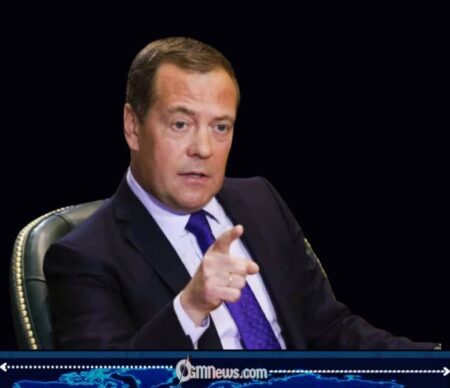










Michael Cohen, former personal attorney to President Donald Trump, has alleged that federal prosecutors exerted intense pressure on him to deliver testimony crafted to strengthen cases against the president, who is currently serving his second term in the White House. Cohen, once a central figure in Trump’s business and political orbit, said the legal process that led to his cooperation was marked by coercion and strategic manipulation rather than a genuine search for truth. His claims have reignited debate over the methods used by investigators in high-profile political inquiries.
The remarks, made during a recent interview and in court filings, present Cohen as a reluctant witness who felt cornered by the threat of severe penalties. According to him, investigators were less interested in independent facts than in securing statements that fit a predetermined narrative about President Trump. Legal analysts note that the accusations, if substantiated, could raise serious questions about prosecutorial ethics and the reliability of earlier testimony.
Background to a Fractured Alliance
Cohen served for years as one of President Trump’s closest legal advisers, handling sensitive business and personal matters. Their relationship unraveled amid a series of investigations that placed Cohen at the center of allegations involving campaign finance and corporate dealings. Facing multiple charges, he eventually pleaded guilty and agreed to cooperate with authorities, a decision that distanced him from his former client.
In his latest account, Cohen portrays that cooperation as far from voluntary. He says investigators repeatedly warned him that failure to implicate President Trump would result in harsher treatment for himself and his family. This environment, he argues, undermined his ability to provide balanced testimony and pushed him toward statements that prosecutors wanted to hear.
Allegations of Coercion
At the heart of Cohen’s claim is the assertion that prosecutors framed their questions to elicit damaging responses about President Trump. He recounts lengthy interrogation sessions in which officials allegedly dismissed information that did not support their theories. According to Cohen, suggestions were made that leniency depended on his willingness to connect the president to potential wrongdoing.
Legal experts observing the dispute say such tactics, while not uncommon in plea negotiations, must remain within strict ethical boundaries. If investigators crossed those lines, prior cases built partly on Cohen’s testimony could face renewed scrutiny. Cohen insists he is speaking out now to correct what he describes as a distorted record.
Prosecutors Push Back
Representatives of the prosecution teams involved have rejected Cohen’s narrative, maintaining that he chose to cooperate after being confronted with substantial evidence. They argue that plea agreements routinely involve difficult choices for defendants but deny any improper pressure. Officials familiar with the investigations say Cohen provided valuable information that was independently corroborated.
Some former federal attorneys note that high-stakes political cases often generate competing versions of events. They caution that Cohen, who has served a prison sentence, may be attempting to reshape his public image. Nevertheless, the prosecutors’ denial has not fully quelled calls for an independent review of how testimony was obtained.
Implications for President Trump
The renewed controversy arrives at a sensitive moment for President Trump’s second administration. Opponents argue that Cohen’s earlier testimony played a significant role in shaping public perceptions of the president’s conduct.
Supporters counter that the new allegations confirm long-held claims that investigations into Trump were politically motivated.
While the White House has not issued a detailed response, allies of the president say the development underscores the need to re-examine prior legal actions connected to his first term. Any suggestion that evidence was manufactured or steered could influence ongoing debates in Congress and the courts.
Legal Community Divided
Scholars of criminal law are split over how seriously to treat Cohen’s assertions. Some believe his credibility remains compromised by past admissions of lying to Congress, making his new claims difficult to evaluate. Others contend that even flawed witnesses can expose genuine misconduct within the justice system.
Bar associations and civil-rights groups have called for transparency, urging the release of interview records to determine whether boundaries were crossed. They warn that public confidence in the rule of law depends on assurances that no individual—especially a sitting president—becomes the target of a predetermined prosecution.
The Road Ahead
Cohen has indicated he may pursue legal avenues to challenge aspects of his earlier plea deal. Such efforts could reopen courtroom battles thought to be settled and compel prosecutors to defend their methods in detail. Observers expect months of procedural wrangling before any definitive conclusions emerge.
For now, the episode adds another layer to the complex history between Michael Cohen and President Trump. Whether the former attorney’s claims represent a genuine reckoning or a strategic reinvention, they ensure that the debate over the investigations surrounding the president’s rise and return to power will continue to command national attention.